ATM
Can ATMs Be Hacked?
ATMs are among the channels banks use most to serve customers. Besides being one of the most important channels, because they physically dispense cash and give access to a customer's account, many fraud cases occur at ATMs.
Search
54 articles found
ATM
ATMs are among the channels banks use most to serve customers. Besides being one of the most important channels, because they physically dispense cash and give access to a customer's account, many fraud cases occur at ATMs.
ATM
ATMs hold large amounts of cash, which keeps them in fraudsters' sights. Diebold Nixdorf and NCR report that jackpotting attacks have reached the United States. Here is what happened and what precautions can improve ATM security.
EMV
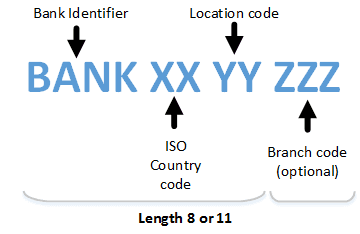
BIC stands for Bank Identifier Code. It is the universal bank identification code used for automated processing in banking and related financial environments, identifying banks as specified by the ISO 9362 standard.

Cryptocurrency
Cryptocurrencies are becoming part of everyday life and are expected to compete seriously with card payments. This glossary explains the key crypto terms, from address, altcoin and arbitrage to halving, mining, proof of stake and stop-loss.
HSM & Security
TPK stands for Terminal PIN Key. It is a data encryption key used to encrypt PINs for transmission between a terminal and the terminal's bank (acquirer) within a local network. Learn how TPK is used in POS and ATM devices.

Credit Card
KKB was established, under banking law, to enable the exchange of all kinds of information and documents among at least five banks, and it also shares credit information about customers. The Credit Bureau of Turkey also serves deposit banks, participation banks, financial institutions, and more.
HCE
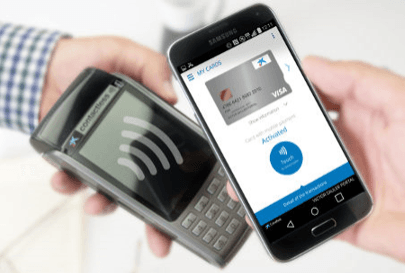
When we talk about HCE methodology, many interacting architectural components come to mind. The core terms describing this architecture are listed below, starting with GCM/FCM (Google/Firebase Cloud Messaging), a service for sending push notifications.
HCE
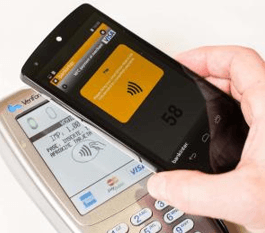
An international standard that defines proximity cards used in Near Field Communication (NFC) and the protocols used to communicate with them. It has 4 parts; Part 4 covers NFC and HCE operations.
Payment Systems
Open banking opens financial data, under the regulations and with the customer's explicit consent, to third-party service providers through standard APIs. The CBRT has published a guide on payment initiation and account information services, covering licensing and technical certification.
Credit Card
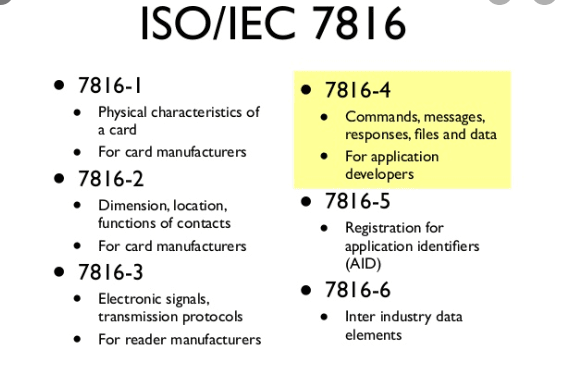
ISO/IEC 7816 is an international standard jointly maintained by ISO and IEC, covering contact-based electronic identification cards, especially smart cards. It consists of 15 different parts, each covering a different aspect of smart card technology.
Payment Systems
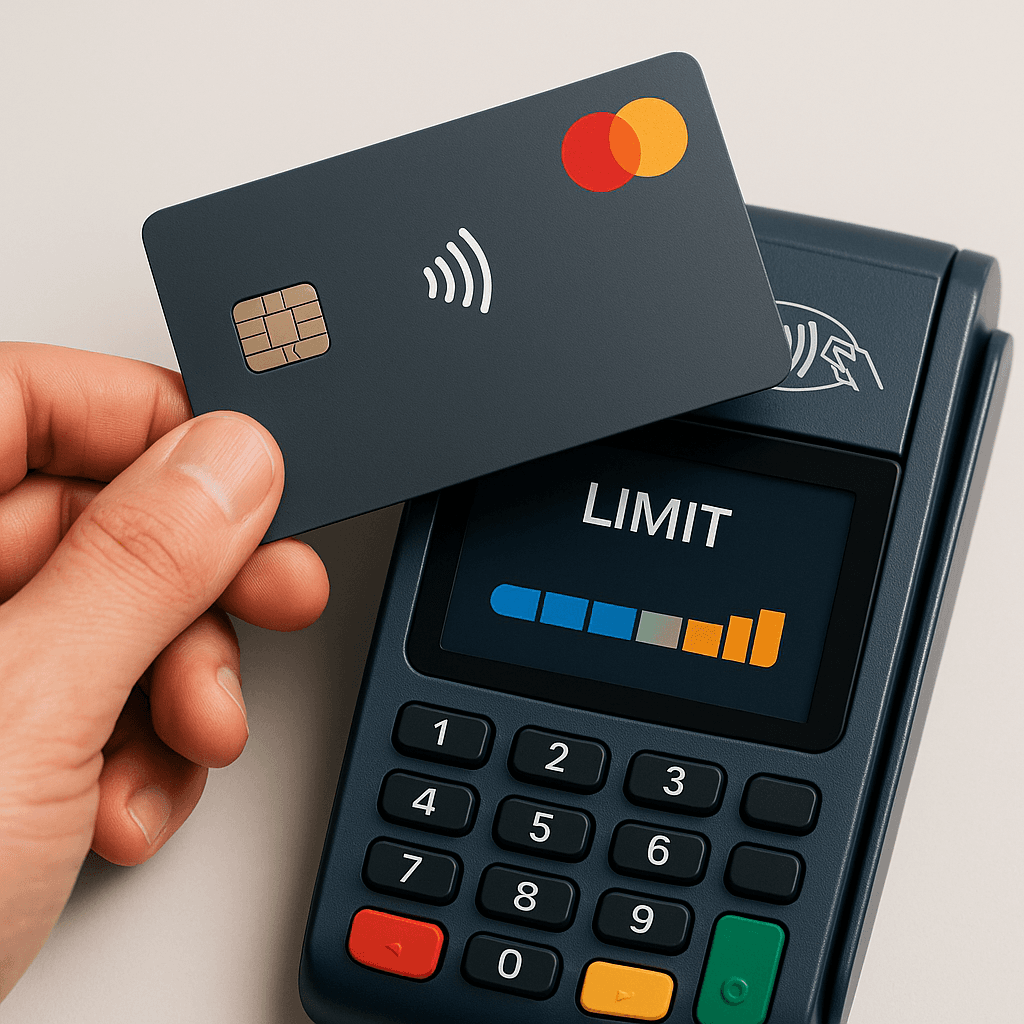
One of the most notable recent developments in card payments is that contactless limits are no longer fixed and can be managed dynamically per customer. Mastercard and Visa are taking different but complementary approaches, and ISO 8583 may need to evolve with them.

ISO 8583
F124 (Private Additional Data) contains additional information specific to the transaction, such as Card Update Failure Code and Status, cardholder name in money transfers, and keys in network management messages.