Skip to content

Search

"issuer bank"

109 articles found

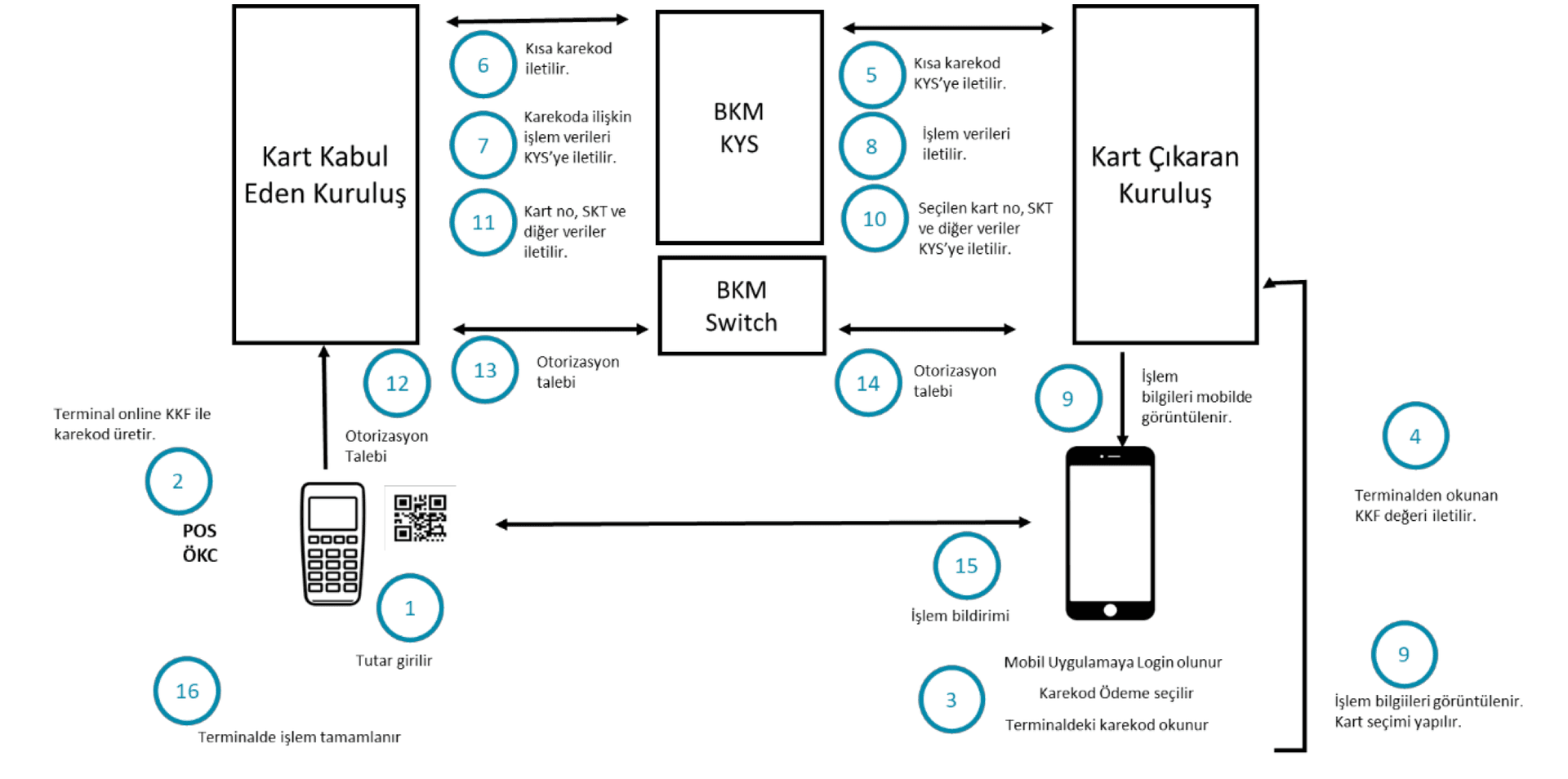
Diagram of the TR QR Code payment flow between cardholder, issuer, BKM and acquirer

Payment Systems

Why Am I Getting an Error When I Try to Pay with a TR QR Code?

In payment or cash withdrawal transactions, the TR QR Code is generated by the POS or ATM. The card issuing bank must build its systems to read and act on this code. Errors usually stem from mishandling the long and short QR code flows, which are explained here.

Illustration of a point-of-sale terminal checking a card against a warning list

Merchant & POS

What is the Combined Warning List (BUL)?

The Combined Warning List (BUL) lists card numbers the issuer wants blocked (lost, stolen, counterfeit, etc.), which acquiring merchants check within certain limits, at their own risk, when online authorization cannot be obtained.

Illustration of a fallback transaction swiping a card's magnetic stripe after a chip read failure

Merchant & POS

What Is a Fallback Transaction?

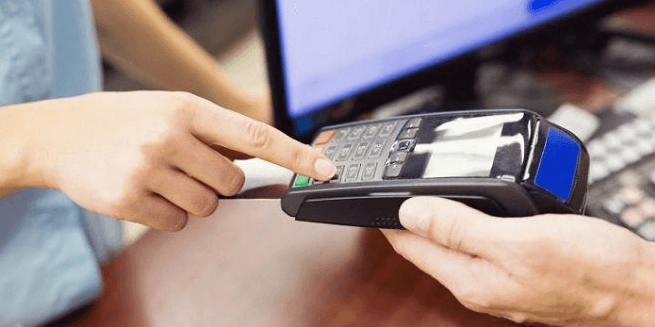
When a chip can't be read due to a chip fault or the card being inserted incorrectly, the transaction is completed by swiping the magnetic stripe on the right side of the POS. Can chipless cards do fallback?

Illustration of a card payment approved for a partial amount

Merchant & POS

What Is Partial Authorization?

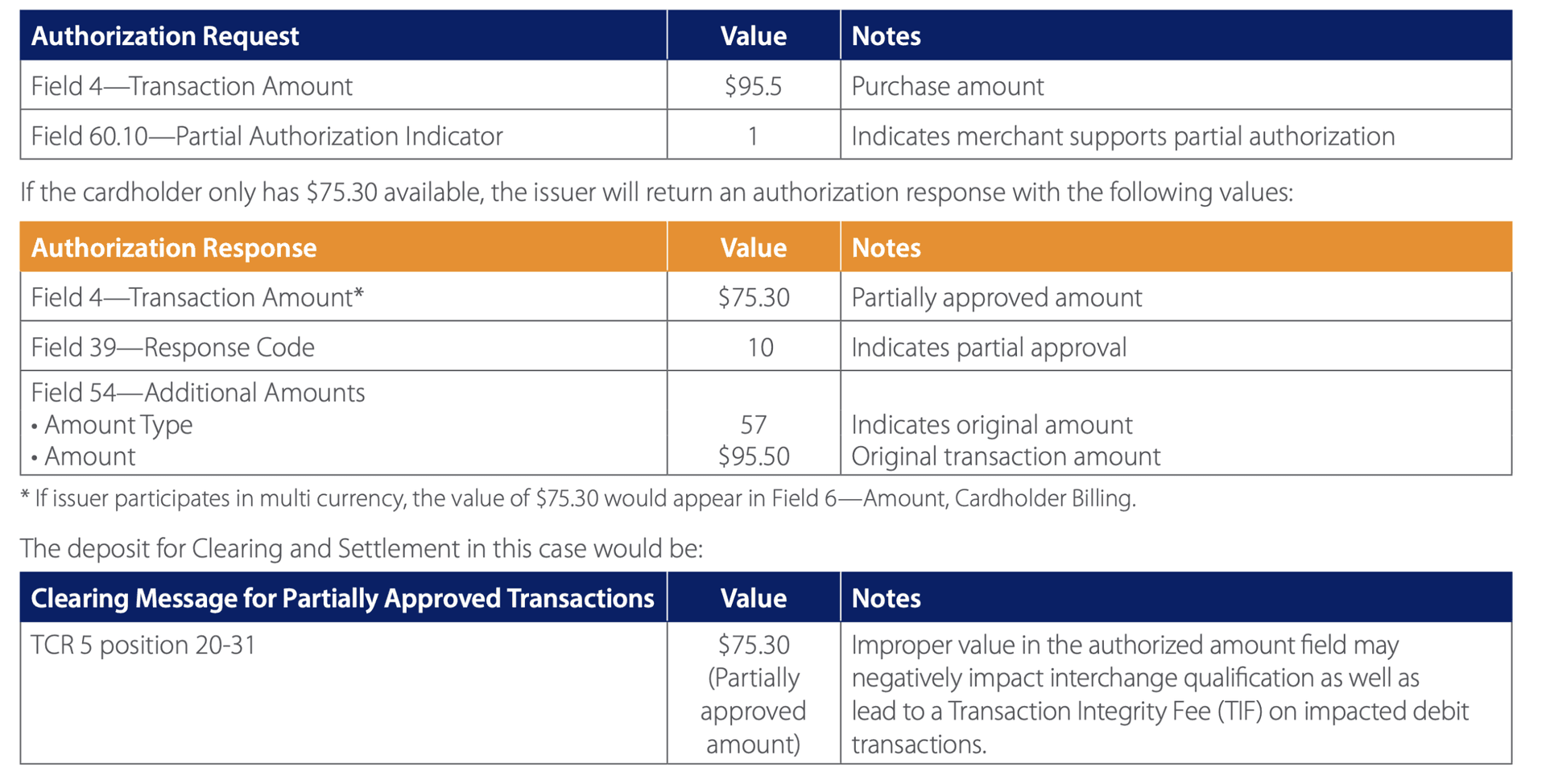
Partial Authorization lets an issuer approve part of a transaction instead of declining it when the balance or limit is insufficient. This post covers how it works in ISO 8583, whether it is mandatory, and why it matters for the business.

Diagram illustrating the structure of an Issuer Identification Number (IIN) on a payment card

Credit Card

What is an Issuer Identification Number (IIN)?

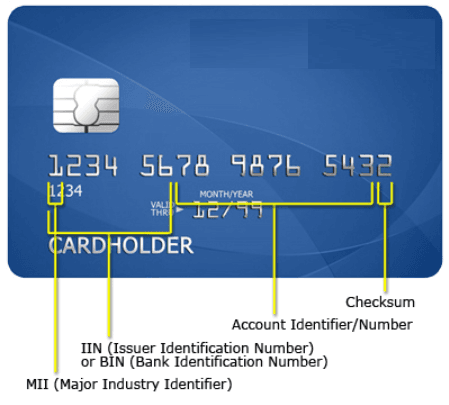
Issuer Identification Number (IIN) is the first 6 digits of 16-digit cards and the first 8 digits of 19-digit cards. It is more commonly known as BIN (Bank Identification Number). Learn what the IIN table holds and how to look one up.

EMV Lower Consecutive Offline Limit 9F14 illustration

EMV

What Is the Lower Consecutive Offline Limit?

The Lower Consecutive Offline Limit is the maximum number of consecutive offline transactions allowed by the ICC application, as set by the issuer, on a terminal capable of going online. It is sent in tag 9F14.

Diagram illustrating the types of chargeback disputes in card payments

Chargeback

What are the chargeback dispute types?

A chargeback is a dispute raised against a card transaction when the cardholder did not make it or does not recall it. The dispute types vary depending on the situation; let's look at them.

Diagram showing the EMV chip card static data authentication (SDA) process

EMV

What is a Data Authentication Code (DAC)?

DAC is the abbreviation for Data Authentication Code. It is a piece of data assigned by the issuer and held by the terminal during the Signed Static Application Data verification process.

Diagram illustrating the Card Personalization Validation (CPV) process

Credit Card

What is CPV (Card Personalization Validation)?

CPV stands for Card Personalization Validation. It is Mastercard's term for the set of recommendations and instructions defined for the card personalization process. The equivalent for Visa is called GPR (Global Personalization Requirements).

Diagram showing membership types for Visa and Mastercard card schemes

Credit Card

How Many Types of Membership Are There by Card Scheme?

Banks must go through a costly, arduous process to issue cards (issuer) and accept cards (acquirer), paying high entry fees to international license providers and local organizations such as BKM.

Payment terminal running multiple bank applications as a shared POS

Payment Systems

What is a shared POS? Key points for projects and testing

A shared POS is a bank or institution terminal that can host more than one application. This post covers the software, APN and authorization steps, and the key test scenarios to cover in a shared POS project.

Diagram illustrating the card payment arbitration process

Chargeback

What is Arbitration?

Arbitration, by definition, is a dispute resolution method in which disputes are settled by arbitrators the parties choose themselves, rather than by official courts. In payment systems, it follows a chargeback when the issuer and acquirer cannot agree.