Skip to content

Search

"limit management"

68 articles found

Illustration explaining what a non-secure e-commerce card transaction is

Payment Systems

What is a Non-Secure transaction?

A non-secure transaction is an e-commerce transaction approved without any verification before authorization, such as SMS OTP. In short, authorization is obtained by verifying only the card number, expiration date, and CVV2.

Photo of a prepaid card used for everyday purchases

Credit Card

What should you know before buying a prepaid card?

A prepaid card is a customized chip or chipless card that is not linked to a bank account and has no credit limit like a credit card. You can only spend up to the amount loaded onto the card.

Warning illustration about a fake social media gift points scam targeting card details

Credit Card

Congratulations, You Won Gift Points..

A real attempted card fraud story: a fake Facebook friend request, a promise of free bank points, and a request for card number, expiry date and CVV2. Here is what happened and how to protect yourself.

Contactless card payment at a POS terminal with the transaction limit raised to 120 TL

Merchant & POS

Contactless Transaction Limit Raised to 120 TL

Per BKM data, 3 in 5 merchants accept contactless payments and 1 in 10 credit card transactions is contactless. From 1 August 2019, contactless payments by card or mobile device are allowed without a PIN up to 120 TL.

Diagram illustrating open banking, where customer financial data is shared with fintech companies through APIs

Payment Institutions & E-Money

What Is Open Banking?

Open banking means sharing customers' financial information with a third-party fintech company so that a range of banking and financial services can be offered to them. It works through API integrations. This post covers its status in Turkey and the new BRSA regulation.

Illustration showing how an Application Identifier (AID) is used in a chip card transaction

EMV

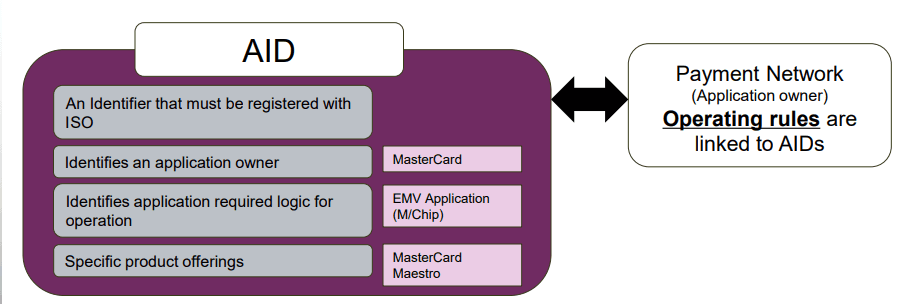
What is an Application Identifier (AID)?

The AID tells the terminal which applications are present on a chip during a POS or ATM transaction. What does the AID do? It lets the terminal determine whether it supports an application on the chip. In Tag 9F06, it is 5-16 digits long.