Skip to content

Search

"payment service providers"

189 articles found

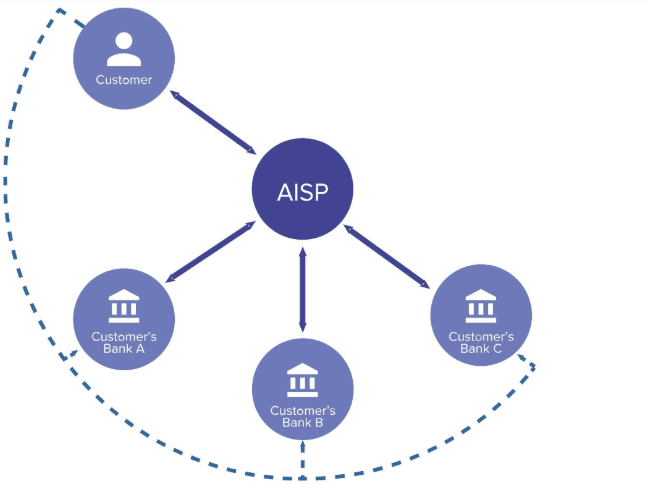
Illustration of Third Party Provider (TPP) roles in Open Banking, including PISP and AISP

Payment Institutions & E-Money

What is a Third Party Provider (TPP)?

The term 'Third Party Provider' refers to an authorized online service provider introduced under Open Banking. These are systems outside a customer's relationship with their bank that mediate the transaction. So how many types of third party provider are there? Two.

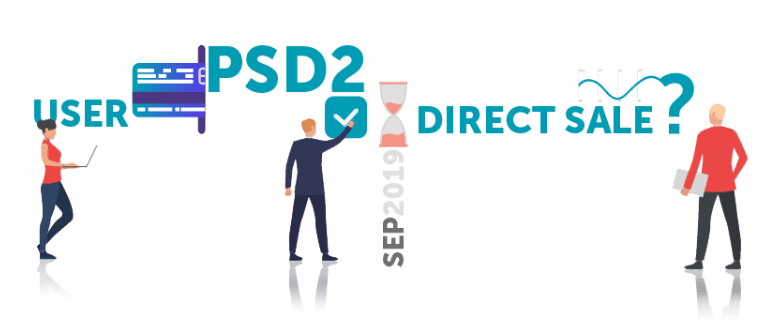
Payment Services Directive PSD1 and PSD2 overview

Payment Institutions & E-Money

What Is the Payment Services Directive?

The first Payment Services Directive (PSD1) was adopted in 2007 to provide the legal basis for a single EU payments market. PSD2, Directive 2015/2366, replaced it to make payments safer, more integrated and more competitive.

Illustration of BSMV, the Banking and Insurance Transaction Tax

Laws & Regulations

What is BSMV?

BSMV stands for Banking and Insurance Transaction Tax, levied on banking and insurance transactions. This post explains how it applies to payment institutions and e-money institutions under Expense Taxes General Communiqué No. 91, with an example.

Document cover of the BRSA circular on the report format under Article 8 of the payment services regulation

Payment Institutions & E-Money

What Is the Circular on the Report Format under Article 8 of the Regulation on Payment Services and E-Money Issuance and Payment Institutions and E-Money Institutions? How Can It Be Accessed?

Under Law No. 6493, payment institutions and e-money institutions may operate only with BRSA permission. This post explains the BRSA circular on the format of the independent audit report required with operating permit applications under Article 8 of the Regulation, and where to find it.

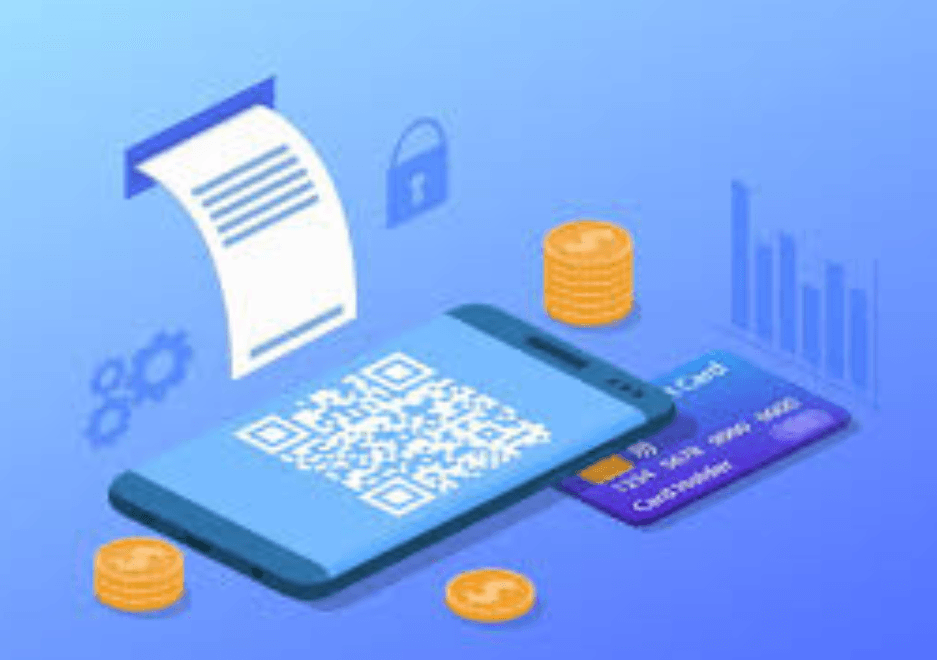
Illustration representing payment instruments such as cards and mobile devices

Payment Institutions & E-Money

What is a payment instrument?

Law No. 6493 on Payment and Securities Settlement Systems, Payment Services and Electronic Money Institutions defines a payment instrument as a personalized device such as a card, mobile phone, or password.