Skip to content

Search

"security standards"

88 articles found

Diagram of ISO 8583 Field 2 (F2) card number structure

ISO 8583

ISO 8583 Field Descriptions (F2)

F2 is the Card Number field in ISO 8583, identifying the cardholder and issuing bank. This post covers its structure, the 8-digit BIN update, field format, first-digit scheme identification, and PCI DSS security requirements.
Credit card with digital security code animation

Credit Card

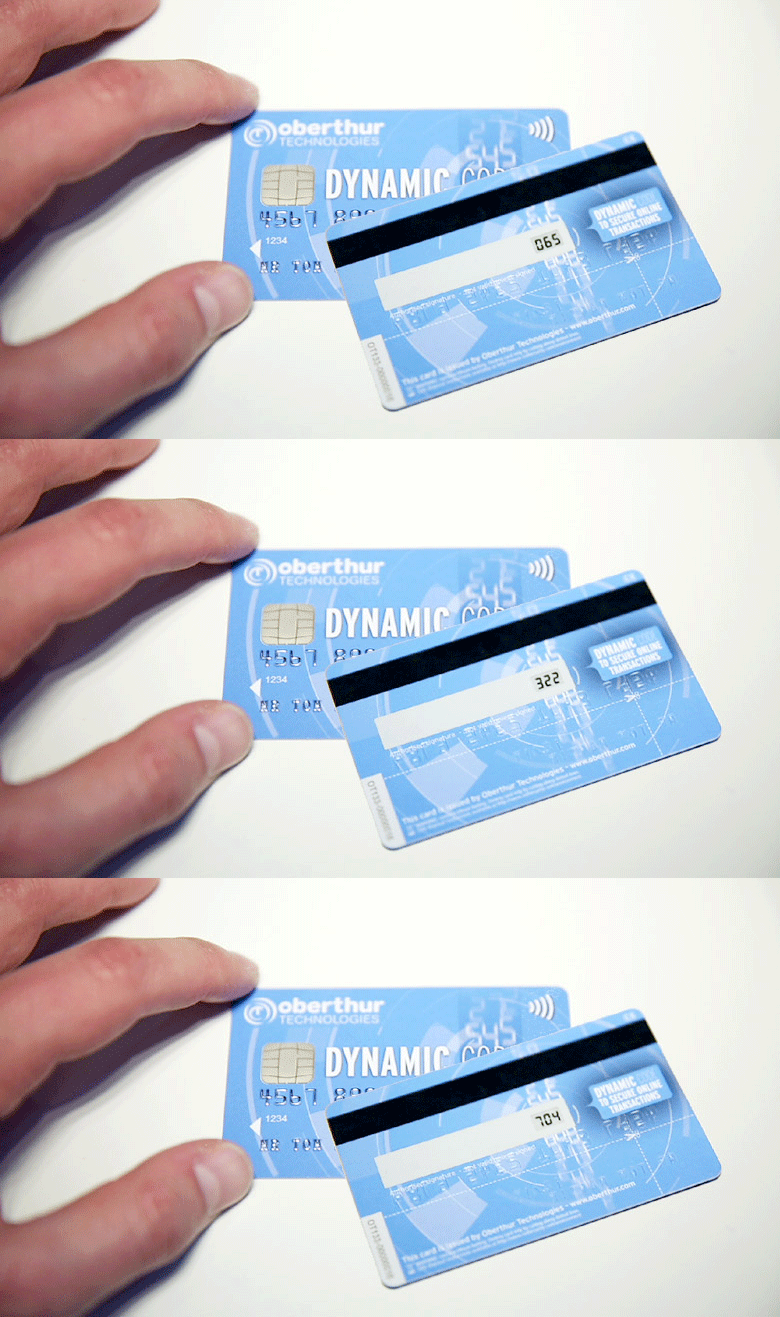
What is dCVV2?

Most of us are familiar with CVV2/CVC2 - the security code on the back of a card, usually three digits. So what is dCVV2? Here's how dynamic CVV technology works and why Visa introduced it for online payments.

Smartphone being used as a mobile POS device for a card payment

Merchant & POS

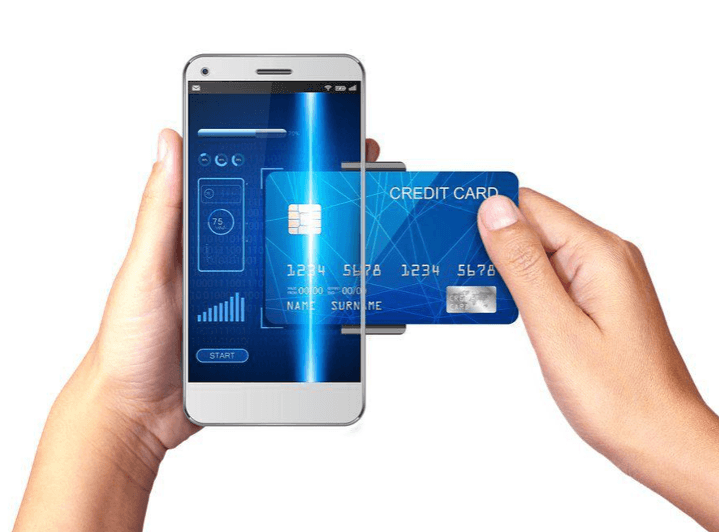
Mobile Phones Are Turning Into POS Devices

With advances in technology, mobile phones can now be used for many functions besides calls and internet access. One such innovation is the ability to use smartphones or tablets as POS devices.

Diagram of the ISO 8583 field F45 Track 1 data structure

ISO 8583

ISO 8583 Field Descriptions (F45)

F45 (TRACK-1 DAT) carries the Track 1 data of the card in ISO 7813 format, including field separators and start and end sentinels but excluding the LRC character. It is 76 characters long.

Illustration representing the products and services KKB offers directly to its member institutions

Credit Card

What Products and Services Does KKB Offer Directly to Members?

KKB was established, under banking law, to enable the exchange of all kinds of information and documents among at least five banks, and it also shares credit information about customers. The Credit Bureau of Turkey also serves deposit banks, participation banks, financial institutions, and more.

Illustration representing real-time and near real-time fraud monitoring in payment systems

Fraud

What is Online (Real Time) and Near Online (Near Real Time) Fraud?

Fraud monitoring refers to tracking card transactions through scenarios to detect potential fraud and taking rapid action immediately before or after a transaction occurs - such as identifying a suspicious transaction, calling the customer, or temporarily blocking the card to prevent authorization.

Photo of a Pin Entry Device (PIN pad) used for card payments

Merchant & POS

What is a Pin Entry Device (PED)?

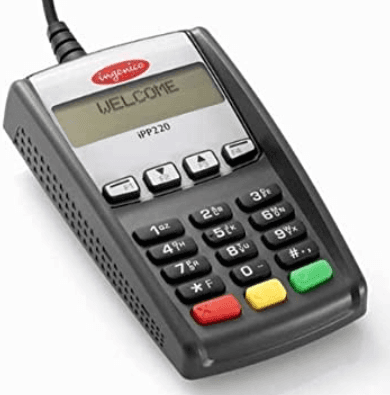
Pin Entry Device is another name for the PIN pad device we all know and use daily. It makes it easier for users to enter their card PIN during POS transactions with credit or debit cards, and is used for contactless card reading...

Table listing the EMV chip specifications used by Visa, Mastercard, American Express, JCB, Discover, and UnionPay

EMV

What are EMV Schemes?

EMV standards form the foundation for chip cards to work on terminals worldwide, but each scheme - VSDC (Visa), M/Chip (Mastercard), AEIPS (Amex), J Smart (JCB), D-PAS (Discover), and UICS (UnionPay) - defines its own keys, rules, and card profiles.

Starling Bank vertical credit card design

Credit Card

Vertical Revolution in Credit Cards

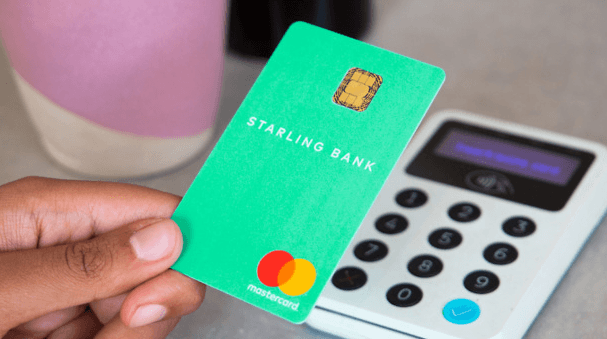
The payment card industry is arguably the sector most affected by technology and the quickest to adapt new developments. With mobile devices, payment systems have changed a lot - we now prefer using our credit cards virtually rather than physically.

Diagram illustrating the ISO 20022 financial messaging standard

Payment Systems

What Is ISO 20022?

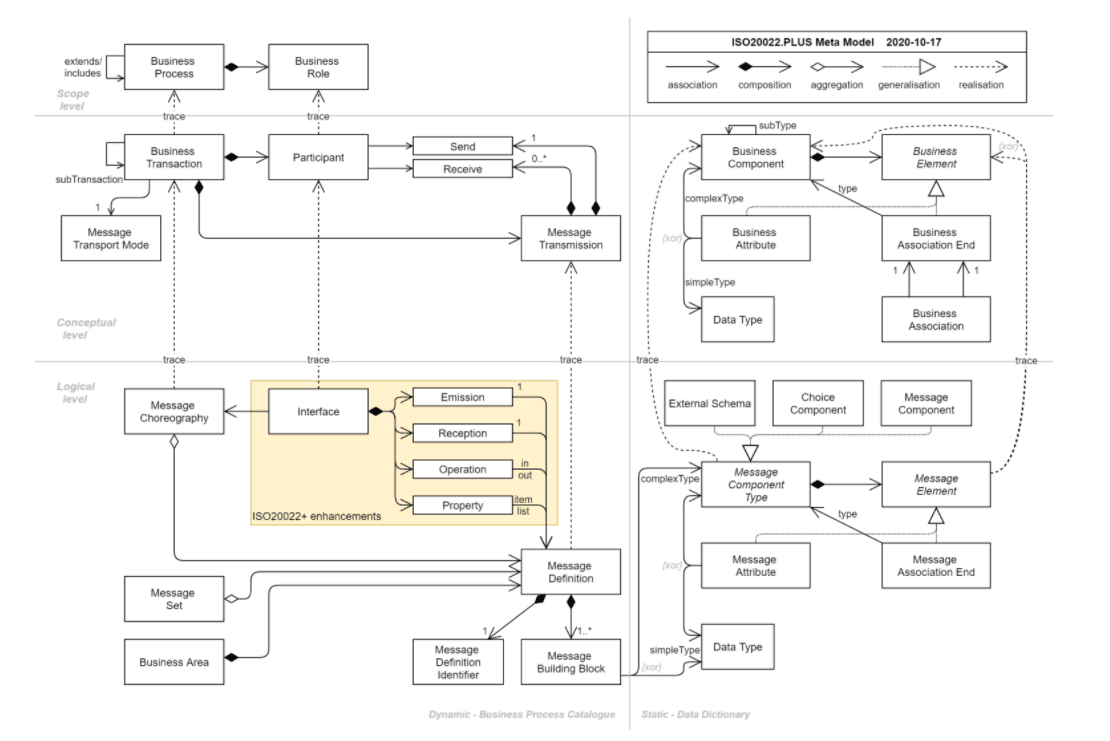
There are standards that keep payment systems running smoothly and reliably. One of these is ISO 20022. So what is ISO 20022, and why was it created? It is an international, XML-based financial messaging standard developed in 2009.

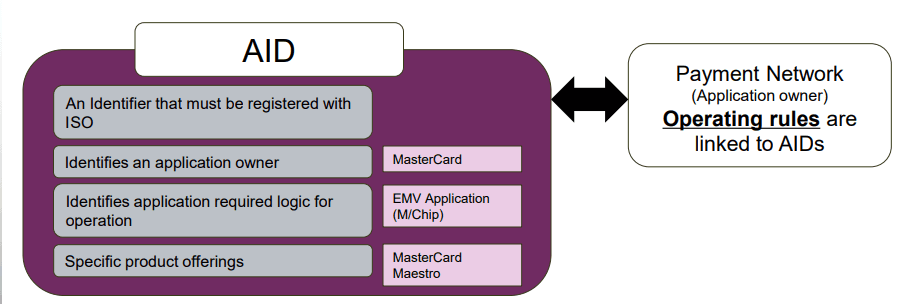
Illustration showing how an Application Identifier (AID) is used in a chip card transaction

EMV

What is an Application Identifier (AID)?

The AID tells the terminal which applications are present on a chip during a POS or ATM transaction. What does the AID do? It lets the terminal determine whether it supports an application on the chip. In Tag 9F06, it is 5-16 digits long.