Skip to content

Search

"virtual POS"

55 articles found

UnionPay logo

Merchant & POS

What Is UnionPay?

UnionPay International (UPI) is a China UnionPay subsidiary founded in November 2012. Together with more than 1,000 institutions worldwide, UPI provides international card acceptance in 160 countries and card issuance in more than 40 countries and regions.

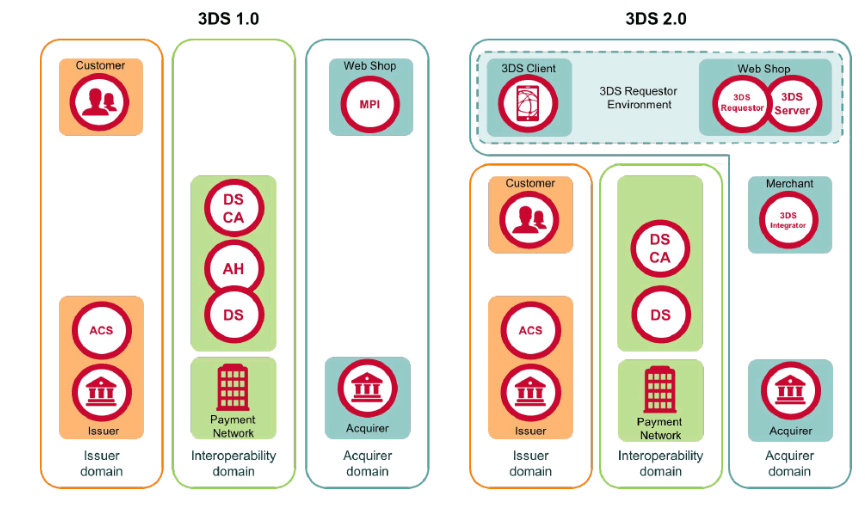
Illustration of recurring payments and automatic card collection for subscription businesses

Merchant & POS

Key Points to Watch for in Recurring Payments

Winning customers is one of the most important things in business, but keeping them satisfied matters just as much. If you collect payments at regular intervals, such as monthly, these tips will help you improve the success rate of recurring collections.

Architecture of 3DS 1.0 compared with 3DS 2.0, showing the issuer, interoperability and acquirer domains

Security

What Is 3D Secure 2.0?

Before 3D Secure 2.0, let's explain what 3D Secure is. 3D Secure is a two-layer payment authentication system that protects both the cardholder and the merchant in online payments. First released by Visa in 1999, it was later adopted by other card schemes…

Online shopping and e-commerce payment on a laptop with a bank card

Payment Institutions & E-Money

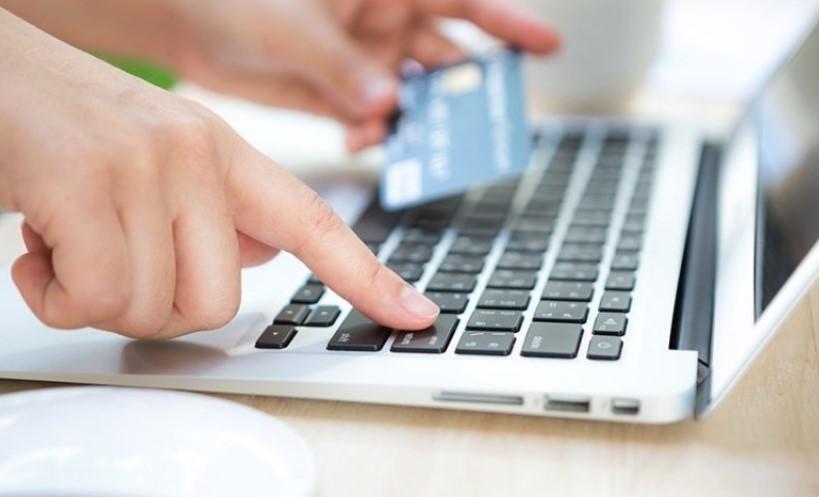
What are the advantages of working with a payment institution?

Online shopping keeps growing, and e-commerce sites must choose between working with a bank or a payment institution. This article explains why a single application and integration with a payment institution can be the better route.

Illustration representing a fictitious POS transaction

Fraud

What Is a Fictitious Transaction?

According to the Banks Association of Turkey, a fictitious transaction is a collusive transaction made by misusing POS devices, debit cards, or credit cards. Banks that detect such transactions through merchants report them to the Banks Association of Turkey.

Diagram illustrating the ISO 8583 F42 card acceptor identification code field

ISO 8583

ISO 8583 Field Descriptions (F42)

F42 - CARD ACCEPTOR IDENTIFICATION CODE: the merchant number of the terminal where a transaction took place. It is a 15-character alphanumeric value. Transactions are settled to the merchant's account based on the merchant number in this field.

Illustration representing a virtual card used for mail order and e-commerce payments

Credit Card

What is a Virtual Card?

A credit card number created based on a credit card, not physically printed, usable in all virtual purchases (mail order, e-commerce, etc.). It is generated instantly upon request, usable right away, created with a zero limit, and free of charge.

Illustration of a smartphone used as a mobile POS payment terminal

Merchant & POS

Are POS Terminals Becoming Obsolete?

Today, as credit cards shift from physical to virtual use, a similar move has come from the POS side. We have begun to see mobile phones used as POS devices becoming a serious rival to physical POS terminals.

Physical credit card compared with a virtual card on a mobile phone

Credit Card

Physical or Virtual Credit Card: Which Do You Prefer?

Digitalization is reshaping payment systems. Credit cards are moving from physical plastic to virtual cards, e-wallets and mobile payments. Will physical card use disappear completely? Here is a look at the trends, Generation Z and the remaining gaps.

Illustration of digital transformation in payment systems

Merchant & POS

How Digital Are You in Payment Systems?

Digitalization has brought major change to payment systems, just as it has to every area of our lives. Its biggest impact has been turning the financial world into something virtual, spanning IoT, mobile payments, blockchain and biometrics.

Illustration showing different card printing methods

Credit Card

What Are the Card Printing Types?

While it is true that, with technological advancement, the trend of using payment transactions without a physical card via mobile phones has increased, there are many reasons why cards are still physically printed and delivered to customers.