Skip to content

Search

"POS Data"

90 articles found

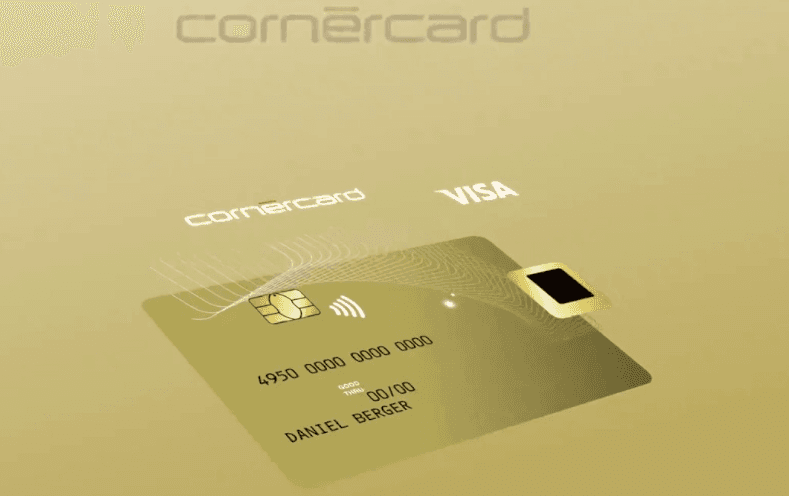
Credit card with a built-in fingerprint sensor for biometric cardholder verification

Credit Card

Who Wouldn't Want a Credit Card with a Biometric Reader?

Card security is critical in card payment systems. Chip&Pin curbed much fraud, but gaps remain. Cornercard, Gemalto and Visa launched Switzerland's first credit card with a built-in fingerprint reader. Here is how it works.

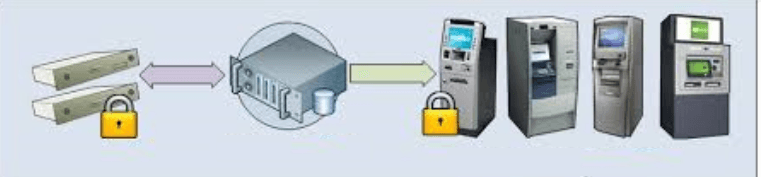
Diagram illustrating Terminal PIN Key (TPK) usage in POS and ATM devices

HSM & Security

What is TPK (Terminal PIN Key)?

TPK stands for Terminal PIN Key. It is a data encryption key used to encrypt PINs for transmission between a terminal and the terminal's bank (acquirer) within a local network. Learn how TPK is used in POS and ATM devices.

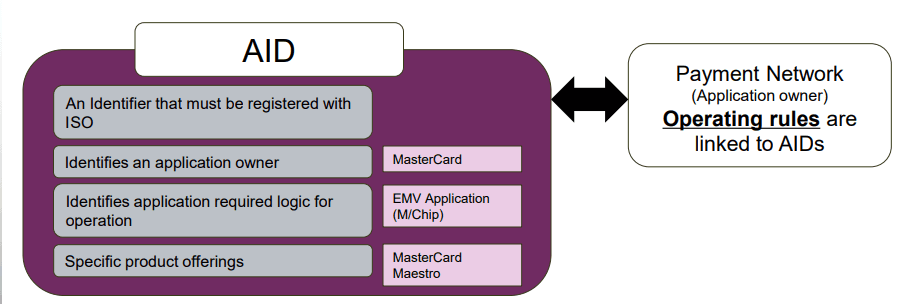
Illustration showing how an Application Identifier (AID) is used in a chip card transaction

EMV

What is an Application Identifier (AID)?

The AID tells the terminal which applications are present on a chip during a POS or ATM transaction. What does the AID do? It lets the terminal determine whether it supports an application on the chip. In Tag 9F06, it is 5-16 digits long.

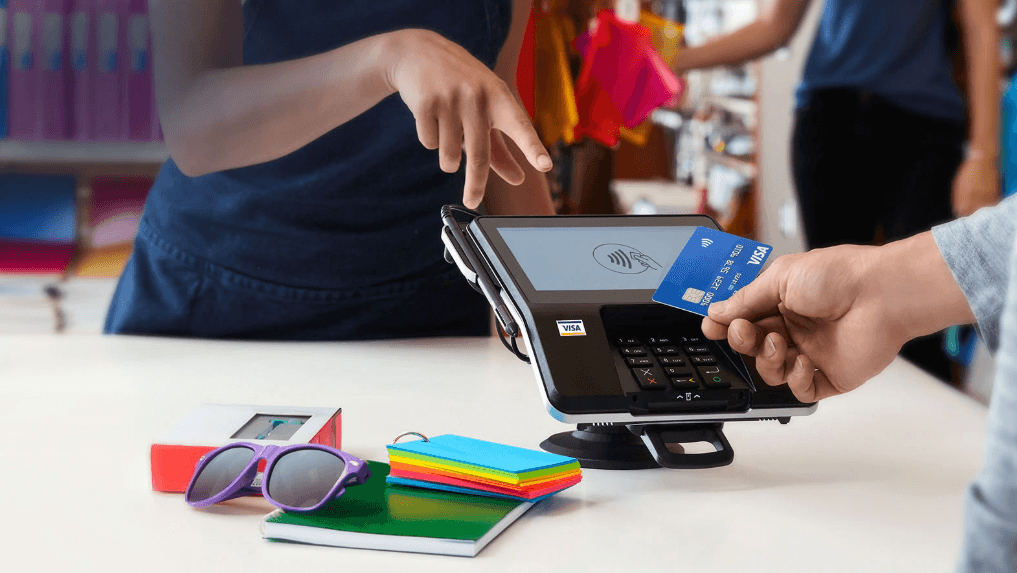
Payment card being checked against a card recovery bulletin of problem cards

Merchant & POS

What Is a Card Recovery Bulletin (Card Protection Bulletin)?

A Card Recovery Bulletin is a list of problem cards (lost, stolen, expired, over-limit, counterfeit or otherwise flagged) published by card schemes such as Visa or MasterCard. It shows whether a card number is listed on the date of purchase.

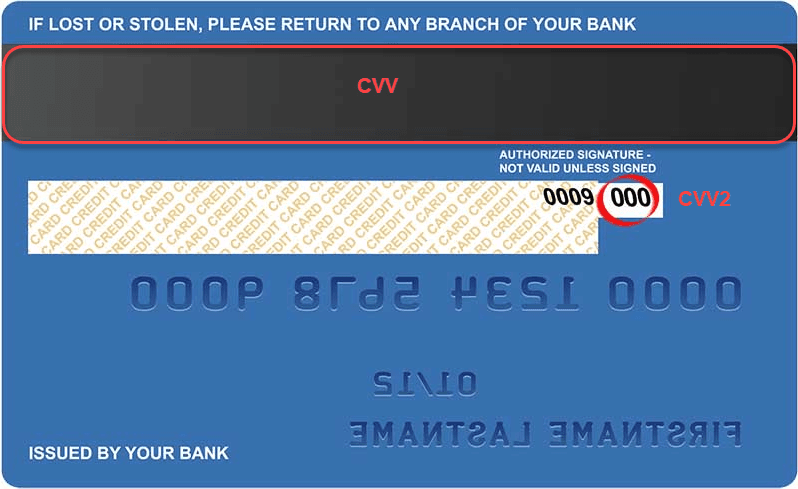
Comparison chart showing the differences between CVV and CVV2 security codes

Credit Card

What Is the Difference Between CVV and CVV2?

CVV (CVC) and CVV2 (CVC2) are two terms that cardholders often confuse. Both are used for verification in card transactions, but there are notable differences between them, such as where each is printed and which transactions use it.

Diagram of a partial authorization where an issuer approves only part of the requested amount

Merchant & POS

What Are the Partial Authorization Requirements for an Acquirer Bank?

Partial authorization lets an issuer approve part of the requested amount when the card lacks the full balance, with the rest paid another way. This post covers the technical, receipt, clearing, reconciliation, merchant and certification requirements for acquirers.

Diagram illustrating the Remote Key Loading (RKL) process

ATM

What Is RKL (Remote Key Loading)?

RKL is the process of distributing a TMK (Terminal Master Key) to each terminal from a central point. It is used to remotely load keys onto POS and ATM devices, loading TMKs onto an ATM's keypad or activating them on a POS.

Diagram of the online authorization flow for below-CVM-limit contactless transactions

Payment Systems

Domestic Flow Change Made for Below-CVM-Limit Online Contactless Transactions

The domestic authorization flow for below-CVM-limit online contactless transactions has changed. Issuers can now ask the cardholder for a PIN or request card insertion instead of simply approving or declining. This post explains the CVM list and the new DE48 PDS22 and DE39 = 65 message flows.

Table showing service code values and their meanings for payment cards

Credit Card

What is the Service Code on Cards?

The service code is information printed on a card's Track 1 and Track 2 data, covering card type, PIN usage, and domestic/international usage status. It is kept at the product level in bank systems.

Zone Working Key PIN encryption between banks

HSM & Security

What Is ZWK (Zone Working Key)?

ZWK stands for Zone Working Key. It encrypts the PIN so that it can travel securely between different financial institutions, such as the acquiring bank and the issuing bank.