Skip to content

Search

"banking regulation"

137 articles found

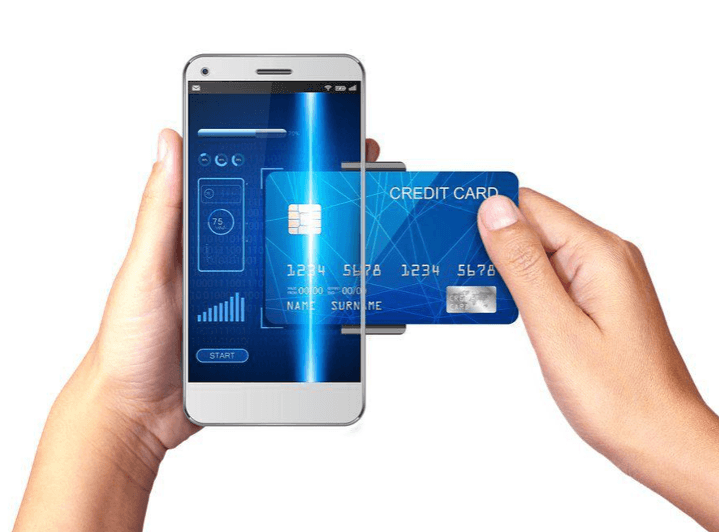
Smartphone being used as a mobile POS device for a card payment

Merchant & POS

Mobile Phones Are Turning Into POS Devices

With advances in technology, mobile phones can now be used for many functions besides calls and internet access. One such innovation is the ability to use smartphones or tablets as POS devices.
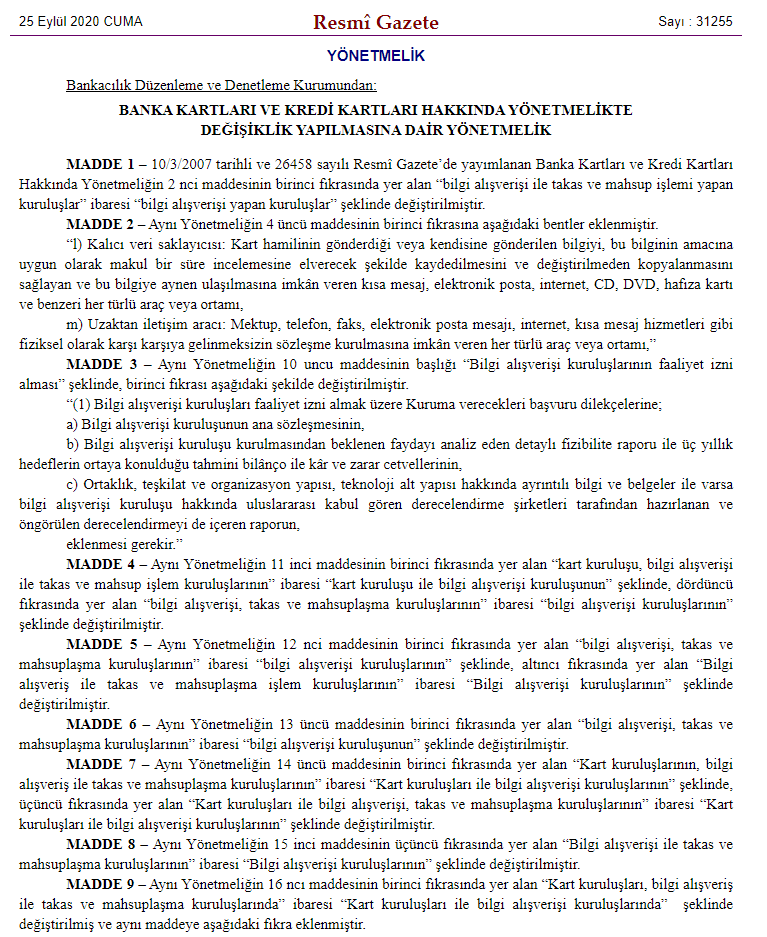
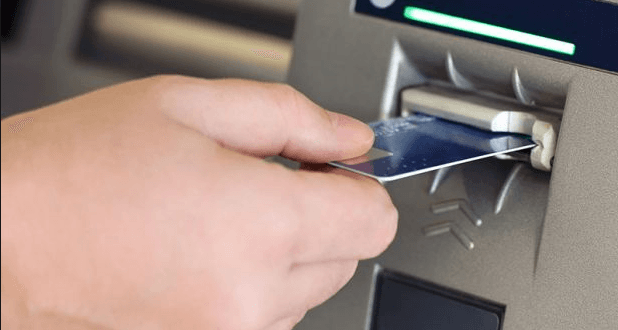
Diagram illustrating how a recycling ATM reuses deposited banknotes for withdrawals

ATM

What Is a Recycling ATM?

The word literally means recycled or circulating. In payment systems, it refers to physically dispensing money deposited at ATMs to customers who want to withdraw cash, adding deposits straight into the withdrawal pool.

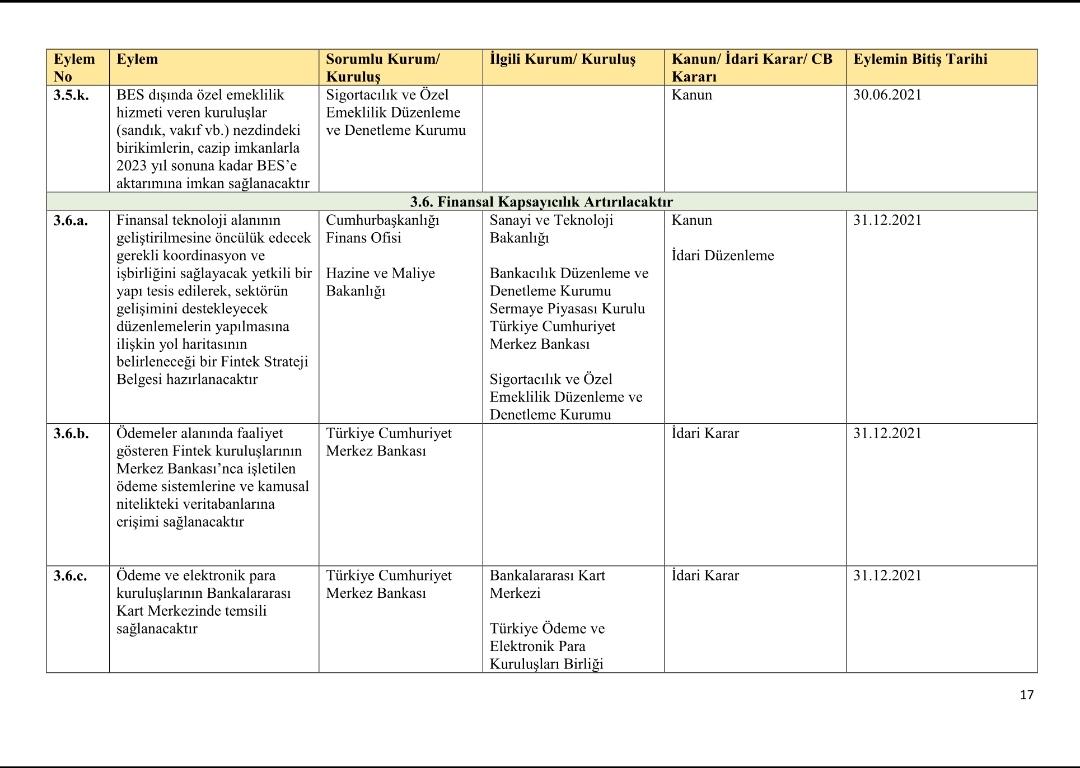
Economic Reforms Action Plan published by the Turkish Ministry of Treasury and Finance

Mobile Payments

Economic Reforms Action Plan Published: How Should We Interpret These Reforms?

New developments emerge every day in payment systems and digital payments. The Economic Reforms Action Plan, published by the Ministry of Treasury and Finance, includes several items of close interest to fintechs, such as TROY, BKM representation, digital banking licensing and CBRT access.

ÖDED Payment and Electronic Money Association

Payment Institutions & E-Money

What Is ÖDED?

ÖDED (Payment and Electronic Money Association) is the only industry association representing the payment and electronic money institutions operating in Türkiye under Law No. 6493.

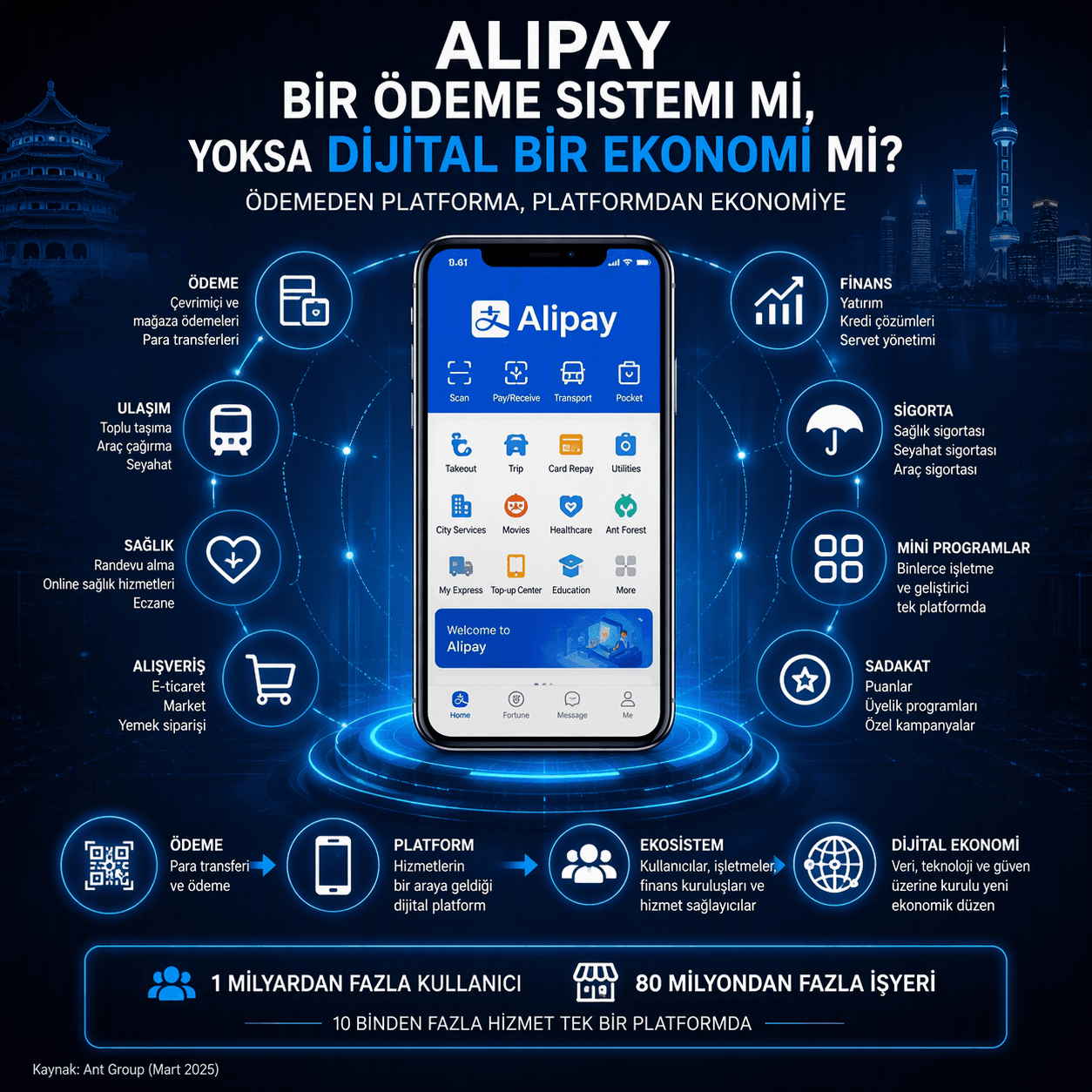
Illustration of the Alipay super app connecting payments, merchants and financial services

Closed-Loop Payments

Alipay: Payment System or Digital Economy? | Closed-Loop Payments #5

Is Alipay a payment system, or a digital economy? In the previous post we discussed how Starbucks shows that payment systems can evolve into a different structure. At first the goal was to make payment easier for the customer. As the system grew, loyalty programs...

Illustration of a surcharge fee added to a card payment transaction

Merchant & POS

What is a surcharge?

A surcharge is a fee, charge, or tax added to the cost of a good or service. In payment systems, it refers to adding the merchant's transaction commission to the cash sale amount on credit card transactions, resulting in a higher charge.

Diagram of an e-money institution and the services it can provide under Law No. 6493

Payment Institutions & E-Money

What Is an E-Money Institution? Which Services Can It Provide Under Law No. 6493?

The Law defines e-money as monetary value issued in exchange for funds accepted by the issuer, stored electronically, used for payment transactions and accepted as a payment instrument by persons other than the issuer. This post explains e-money institutions and the services they may provide.

Overview of Türkiye's Law No. 6493

Laws & Regulations

What Is Law No. 6493? What Does It Contain?

Law No. 6493, published in Official Gazette No. 28690 on 27 June 2013, regulates the procedures and principles for payment and securities settlement systems, payment services, payment institutions and e-money institutions.

Illustration representing electronic payment systems

Payment Systems

What are Payment Systems?

Let's talk about payment systems, which we have heard more about since the internet entered our lives, and the basic structures behind them. The first credit card in the world was used in America in the 1920s.