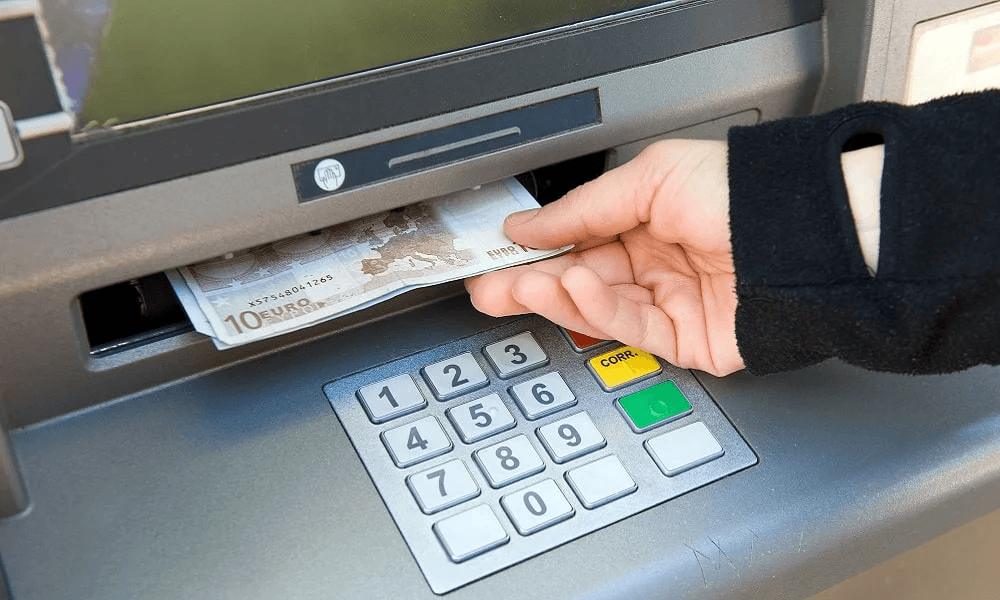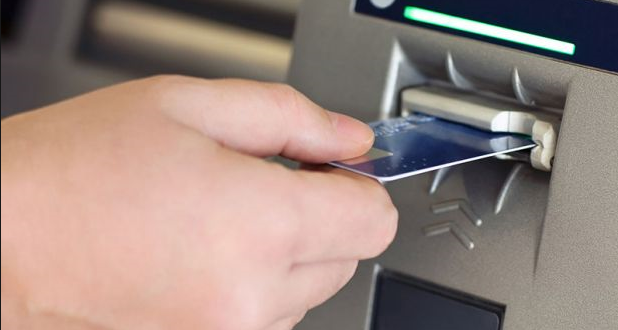
In its literal sense, the word means recycled or circulating. In payment systems, it refers to the physical dispensing of money deposited via ATMs to customers who want to withdraw cash.
In short, it means that money deposited into an ATM is added to the pool used by customers withdrawing cash, without being kept separately.
Recycle ATMs are ATMs that can be used for a longer period without being reloaded with cash, by using the internal circulation of money. In a Recycle ATM where deposit and withdrawal transactions are nearly equal, as long as denominations not defined in the cassettes during deposits do not fill the Recycle ATM's reject cassette (an extra ATM cassette where money not defined in the normal cassettes is discarded), the machine needs almost no cash loading.
How does it work?
In Recycle ATMs, the banknotes deposited by the customer are first checked inside the device. Whether the banknote is genuine, its denomination, and its physical condition are determined. Genuine banknotes that are in usable condition are placed into the withdrawal cassettes. Worn or suspicious banknotes are moved to a separate compartment and are not given to customers.
Benefits
- Less cash replenishment: Since deposited money covers withdrawn money, the ATM needs to be reloaded with cash less frequently.
- Lower operating costs: Reduced cash transport and counting operations lower the bank's costs.
- Fewer outages: Service interruptions caused by the ATM running out of cash are reduced.
The importance of banknote verification
Since a banknote deposited by one customer in a Recycle ATM can be given to another customer, banknote verification is critically important. The devices must be able to distinguish counterfeit banknotes and banknotes unfit for circulation, and must be tested in accordance with the relevant central bank's regulations.
Which locations are suitable?
Recycle ATMs deliver the most efficient results in locations where both deposit and withdrawal transactions are heavy during the day. In locations where deposit transactions are rare, they do not provide a significant advantage over classic ATMs.