
ISO 8583
ISO 8583 Field Descriptions (F38)
DE 38 (AUTHORIZATION IDENTIFICATION RESPONSE) is the authorization code generated when a transaction is approved. It is alphanumeric, 6 characters long, and left empty for declined transactions.
Search
122 articles found
ISO 8583
DE 38 (AUTHORIZATION IDENTIFICATION RESPONSE) is the authorization code generated when a transaction is approved. It is alphanumeric, 6 characters long, and left empty for declined transactions.
Merchant & POS
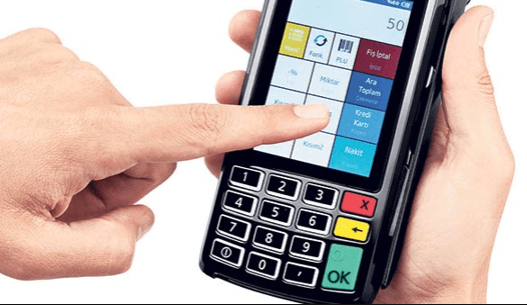
The answer depends on the type of POS terminal. A physical POS (GPRS, Dial-Up, IP, or cash-register POS) requires working with a bank. A virtual POS can also be obtained from a payment institution without a separate bank agreement.

Courier & Delivery
At a bank I worked for, I had the chance to design the card courier system end to end. Here is how we updated courier firms through web service integrations when a customer changed their address mid-delivery.
ISO 8583
F47-ADDITIONAL DATA (NATIONAL) is the field reserved for domestic additional information. In Turkey, it carries the BKM Unique ID in authorization transactions and data specific to KKPT (card-to-card transfer) transactions.
Credit Card
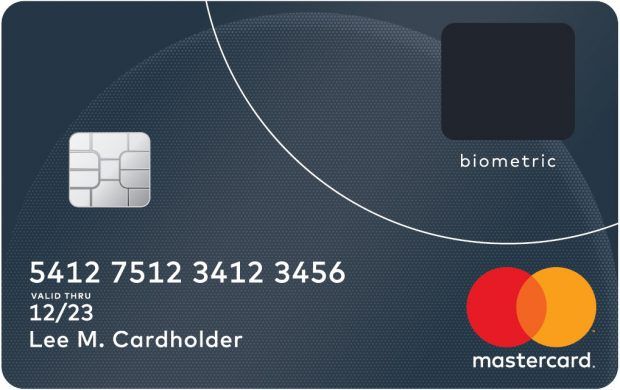
Technology continues to make our lives easier and more secure. Old ID cards were just laminated paper; new ones became personalized and secure with biometric photos added alongside chip data.
ISO 8583
F22 - POINT OF SERVICE ENTRY MODE: This field holds how the transaction was performed via the POS/ATM and the PIN entry capability of the POS device. The first 2 digits show how the transaction was performed, and the last digit (shown as x) carries the POS's PIN entry capability. Numeric...
Agentic Commerce
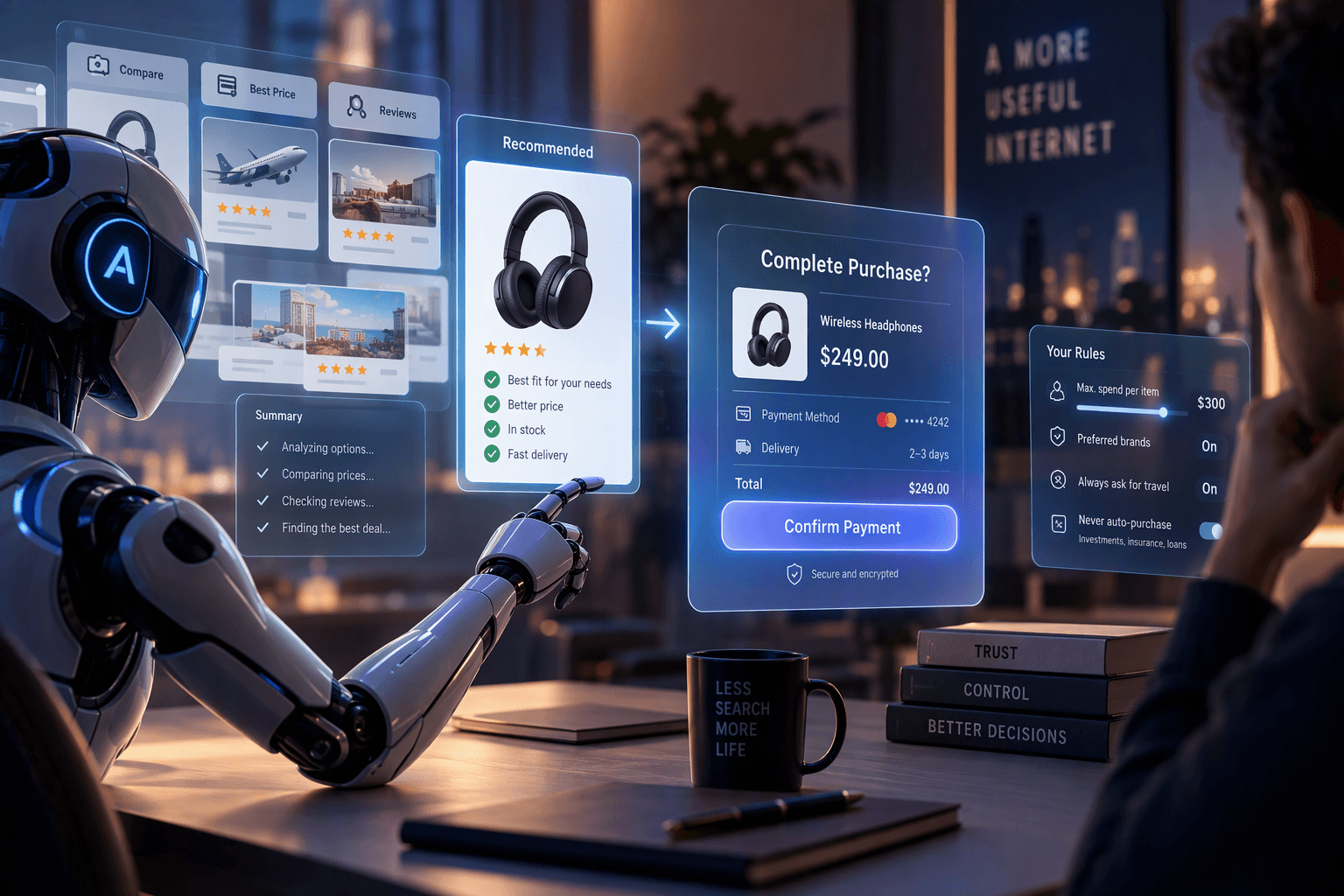
Are We Ready to Give an AI Agent the Authority to Make Payments? Having long looked at complaint and dispute processes in payment systems, I think granting an agent payment authority is far different from research or product selection.
Closed-Loop Payments
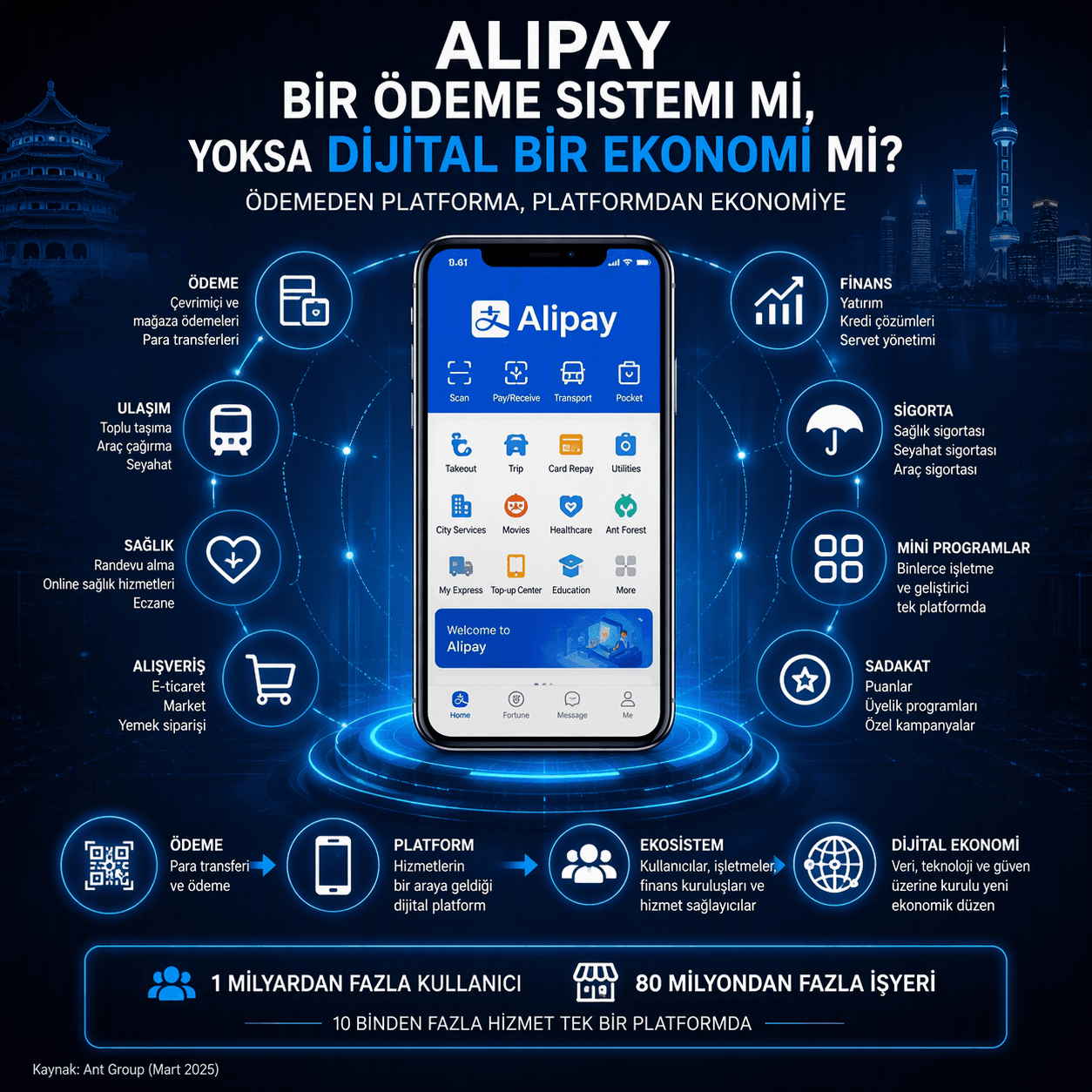
Is Alipay a payment system, or a digital economy? In the previous post we discussed how Starbucks shows that payment systems can evolve into a different structure. At first the goal was to make payment easier for the customer. As the system grew, loyalty programs...

Merchant & POS
In the first post I explained what closed-loop payment systems are and how they differ from open-loop ones. Many of the replies I received boiled down to one question: how do these systems actually work behind the scenes once a QR code is scanned?
Payment Systems
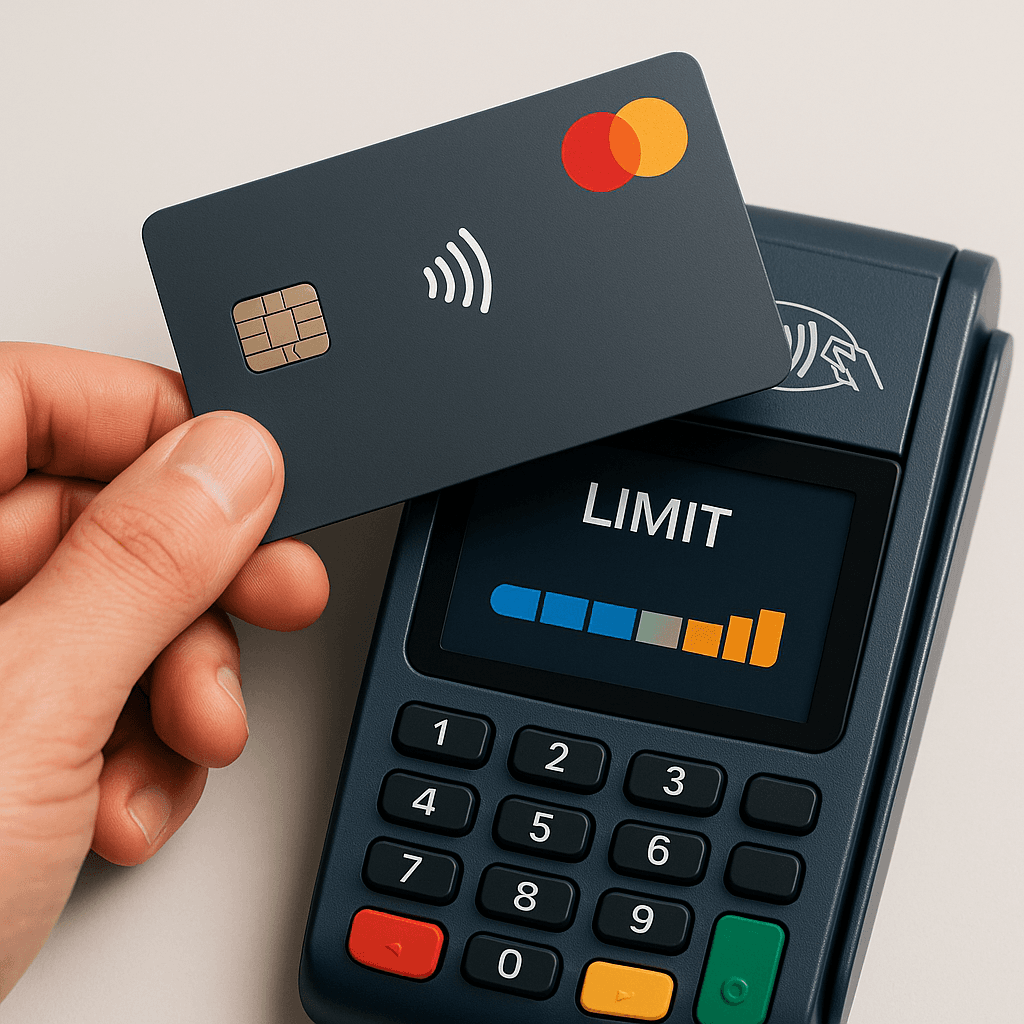
One of the most notable recent developments in card payments is that contactless limits are no longer fixed and can be managed dynamically per customer. Mastercard and Visa are taking different but complementary approaches, and ISO 8583 may need to evolve with them.

Payment Systems
Digitalization keeps changing the speed and shape of payments. AI-based payment agents pay on their own within user-defined limits and rules, completing transactions without the user initiating any action. This post explains how they work and what to watch for.
Online & Authorization
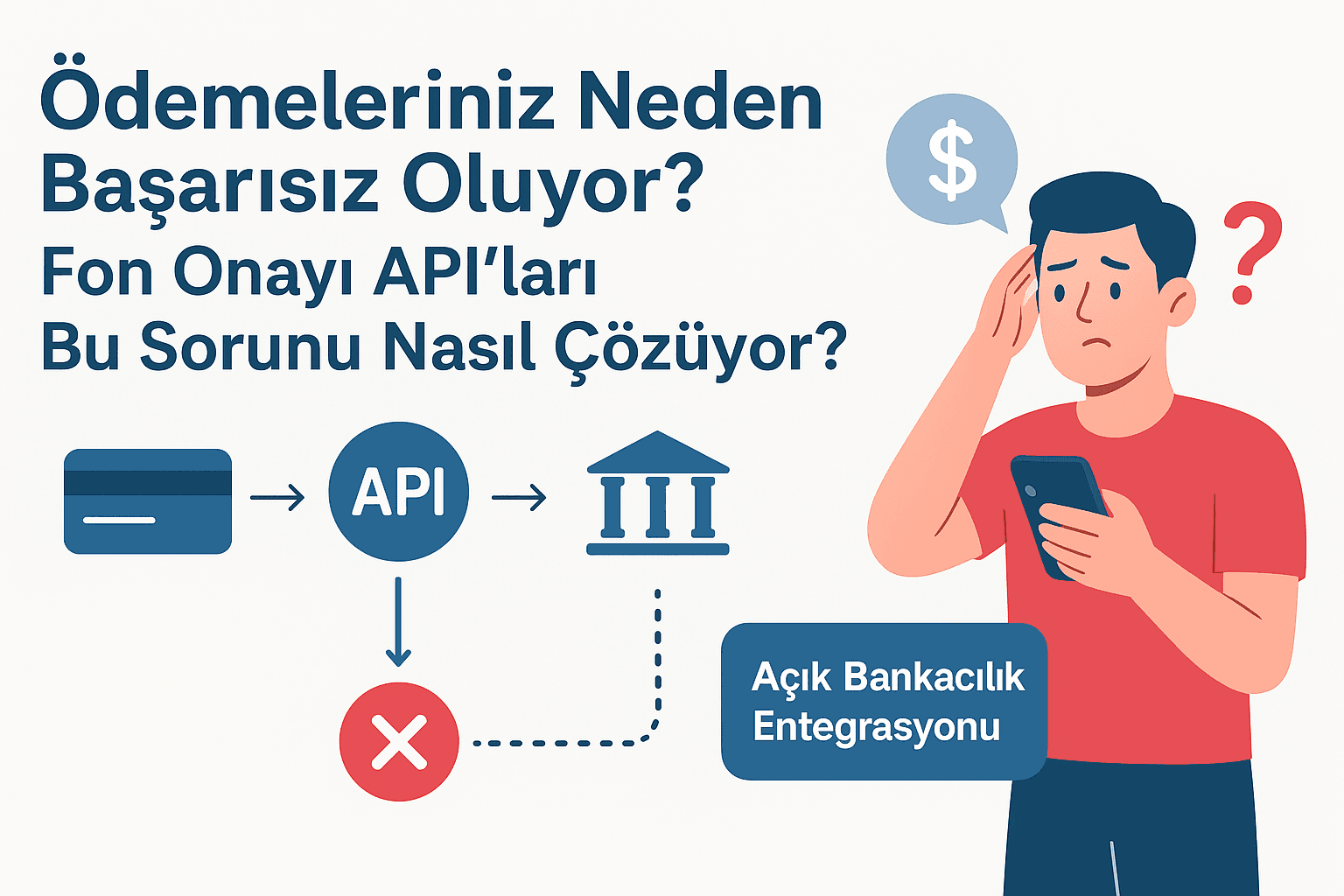
You press the pay button and the screen says the transaction failed. Behind that failure are checks on your balance and transaction security. This post explains how funds confirmation APIs work, where they apply, and the situation in Turkey's open banking.