Skip to content

Search

"system operator"

190 articles found

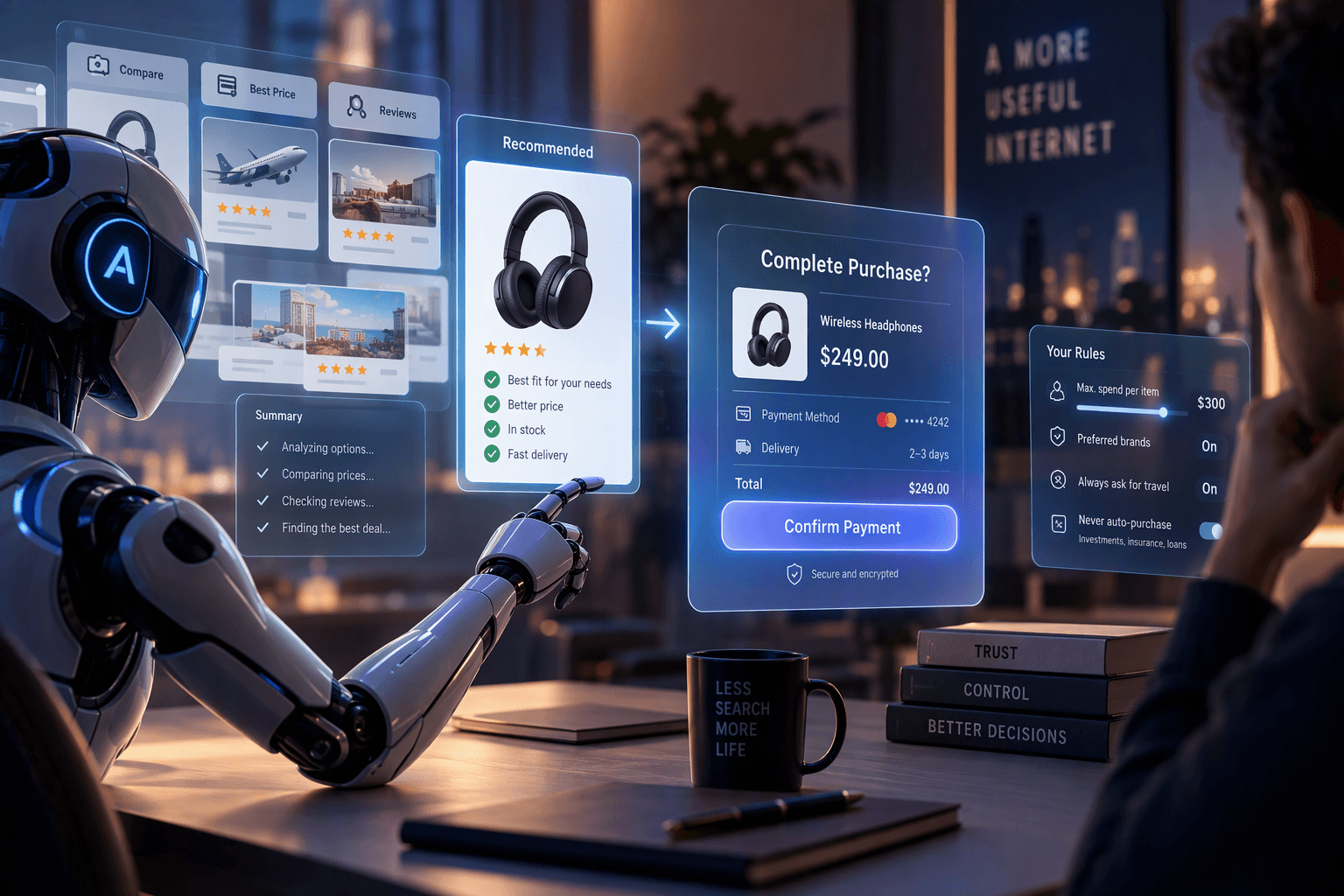
Illustration representing an AI agent making a payment

Agentic Commerce

Agentic Commerce Series – Part 4

Are We Ready to Give an AI Agent the Authority to Make Payments? Having long looked at complaint and dispute processes in payment systems, I think granting an agent payment authority is far different from research or product selection.
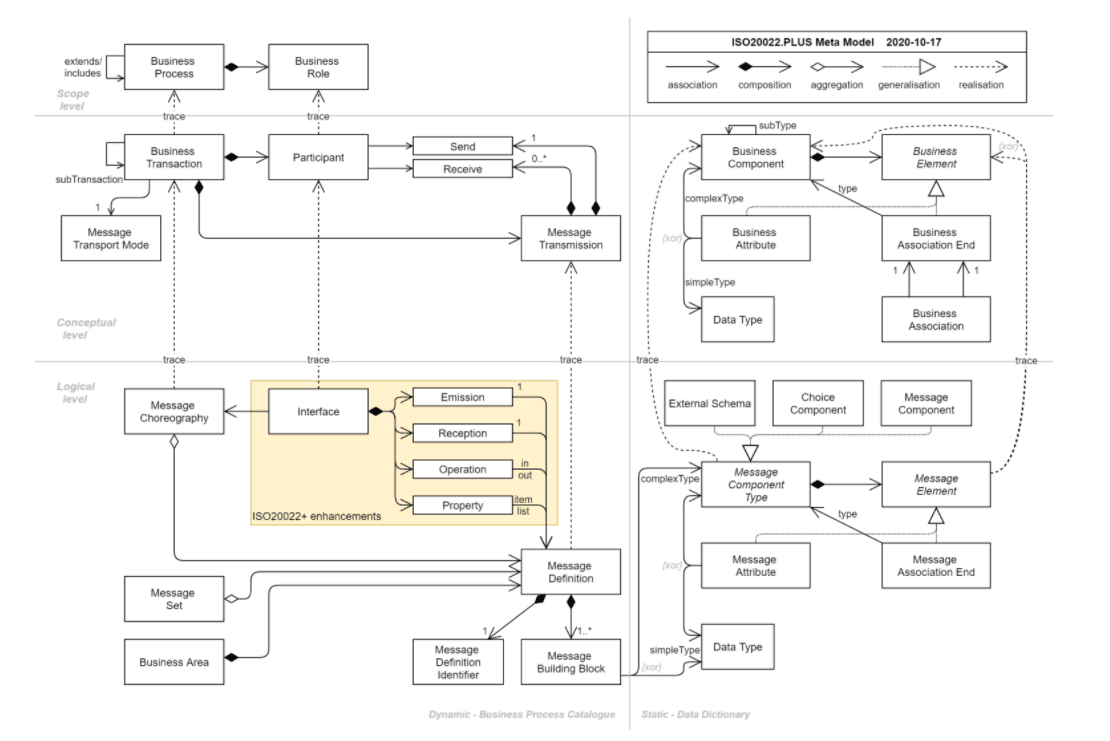
Diagram illustrating the ISO 20022 financial messaging standard

Payment Systems

What Is ISO 20022?

There are standards that keep payment systems running smoothly and reliably. One of these is ISO 20022. So what is ISO 20022, and why was it created? It is an international, XML-based financial messaging standard developed in 2009.

EU Fifth Anti-Money Laundering Directive AMLD5

Credit Card

What Is AMLD5?

AMLD5 is the European Union's Fifth Anti-Money Laundering Directive. It updates the Fourth Directive to stop the financial sector being used for terrorist financing and money laundering.

Illustration representing a Man in the Browser (MitB) cyberattack on online banking

Security

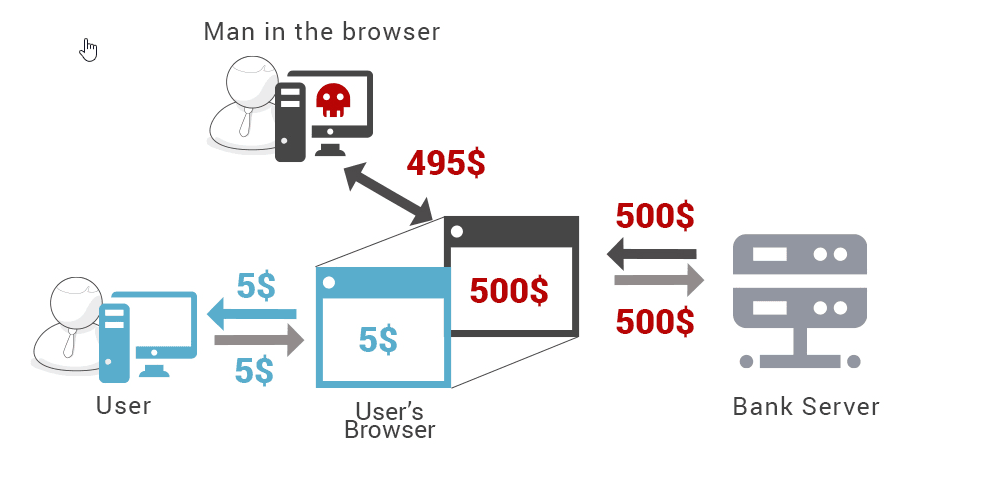
What is a Man in the Browser Attack (MitB)?

In the Man in the Browser fraud method, the goal is not to steal the user's password but to place malware in the browser itself. A malicious browser extension can alter the amount and recipient of the user's transfers at will.

Illustration of Host Card Emulation (HCE) enabling contactless mobile payments

Online & Authorization

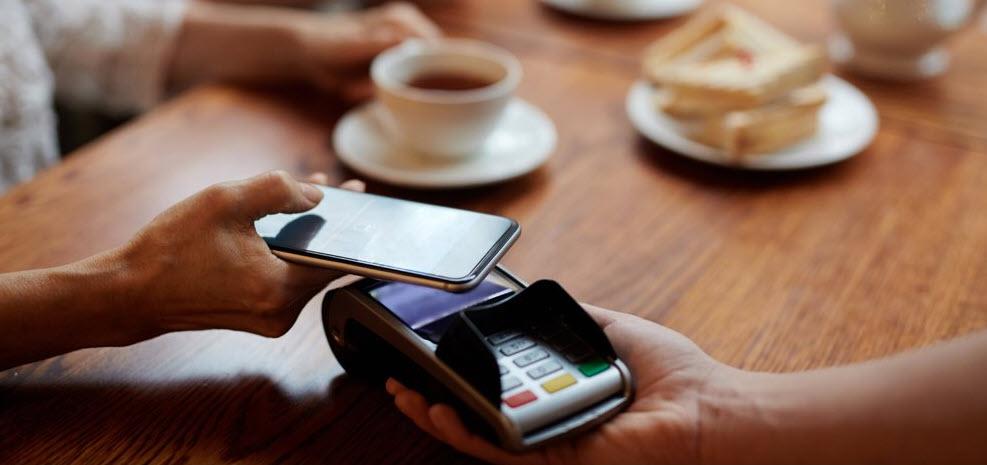
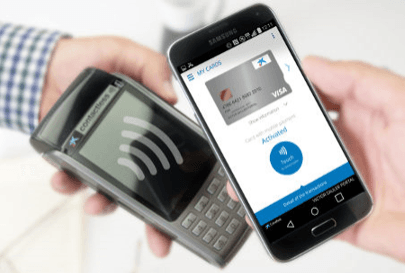
What Is HCE?

HCE lets a mobile device's operating system emulate the cards we use daily (credit, debit, gift cards, etc.) to make contactless payments via NFC. In other words, our phones behave like the cards we use for payments.

HCE terminology and architecture diagram

HCE

Terms Used in HCE Terminology

When we talk about HCE methodology, many interacting architectural components come to mind. The core terms describing this architecture are listed below, starting with GCM/FCM (Google/Firebase Cloud Messaging), a service for sending push notifications.

ATM machine with cash dispenser and receipt printer

ATM

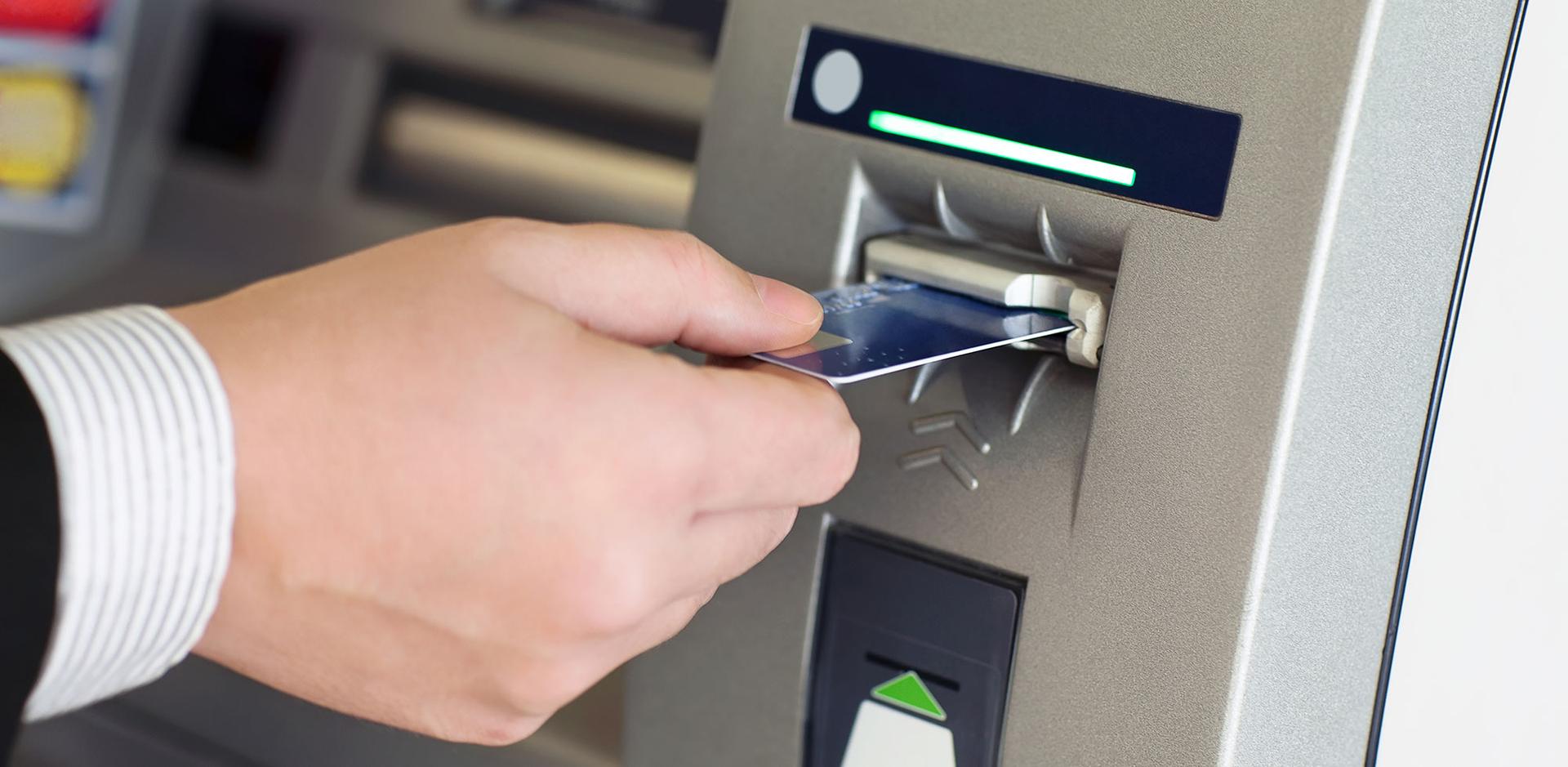
What Is an ATM?

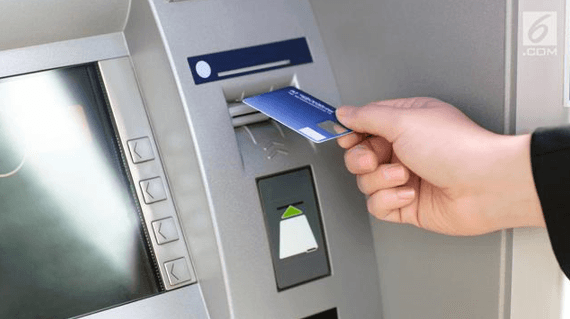
ATM stands for Automated Teller Machine, an electronic device that lets customers carry out account transactions with or without a card. It was invented in 1960 by John Shepherd-Barron. The first ATM in Turkey was installed in 1982.

Ingenico POS terminal illustrating POS brand and model

Merchant & POS

What does POS brand and model mean?

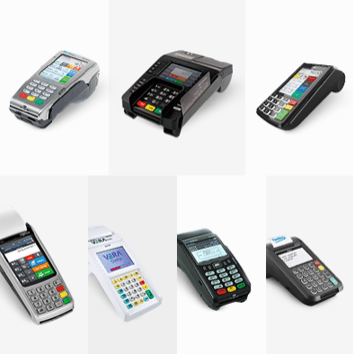
Just like a car, a POS device has a brand and a model, for example Ingenico ICT220 or Ingenico ICT250. Each model differs from the others: some have a contactless reader while others may not, and screens, memory and features vary.

Diagram of the components that make up an HCE transaction token

HCE

What components make up an HCE Token (Transaction Token)?

The token used in HCE transactions contains more than just a new number derived from the card number. It also includes single-use keys, an expiration date, RSA keys and certificates, transaction limits, and an Application Transaction Counter (ATC).

ATM machine vulnerable to hacking and fraud

ATM

Can ATMs Be Hacked?

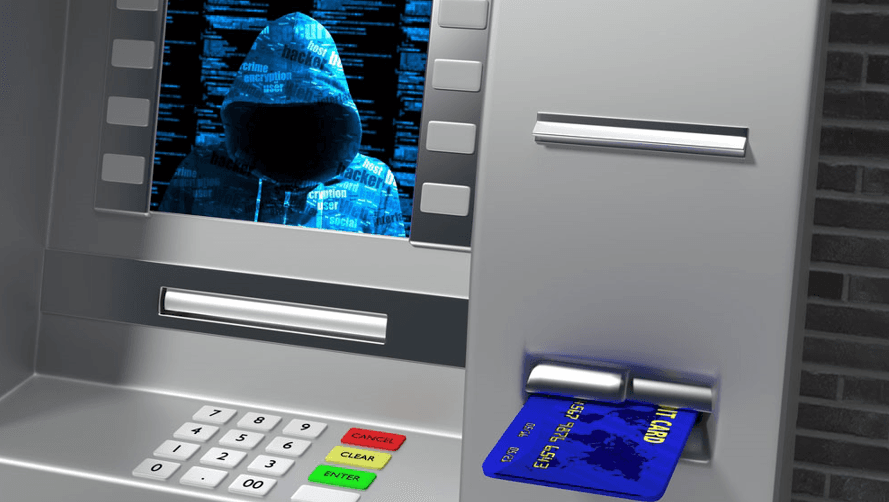
ATMs are among the channels banks use most to serve customers. Besides being one of the most important channels, because they physically dispense cash and give access to a customer's account, many fraud cases occur at ATMs.

Diagram illustrating ATM cash overage and cash shortage reconciliation

ATM

What are Cash Overage and Cash Shortage?

Cash overage and cash shortage are terms used in any system that operates with a cash account. A cash overage means more money is physically present than the ledger indicates; a cash shortage means less. In payment systems, these terms are most often used for ATMs.

Logo and branding of BKM, Turkey's Interbank Card Center

Payment Systems

What is BKM (Interbank Card Center)?

BKM, short for Interbank Card Center, is a legal entity established in 1990 with contributions from 13 public and private Turkish banks to provide clearing and settlement for cards.