Skip to content

Search

"transaction processing"

317 articles found

ISO 8583 F22 Point of Service Entry Mode table

ISO 8583

ISO 8583 Field Descriptions (F22)

F22 - POINT OF SERVICE ENTRY MODE: This field holds how the transaction was performed via the POS/ATM and the PIN entry capability of the POS device. The first 2 digits show how the transaction was performed, and the last digit (shown as x) carries the POS's PIN entry capability. Numeric...
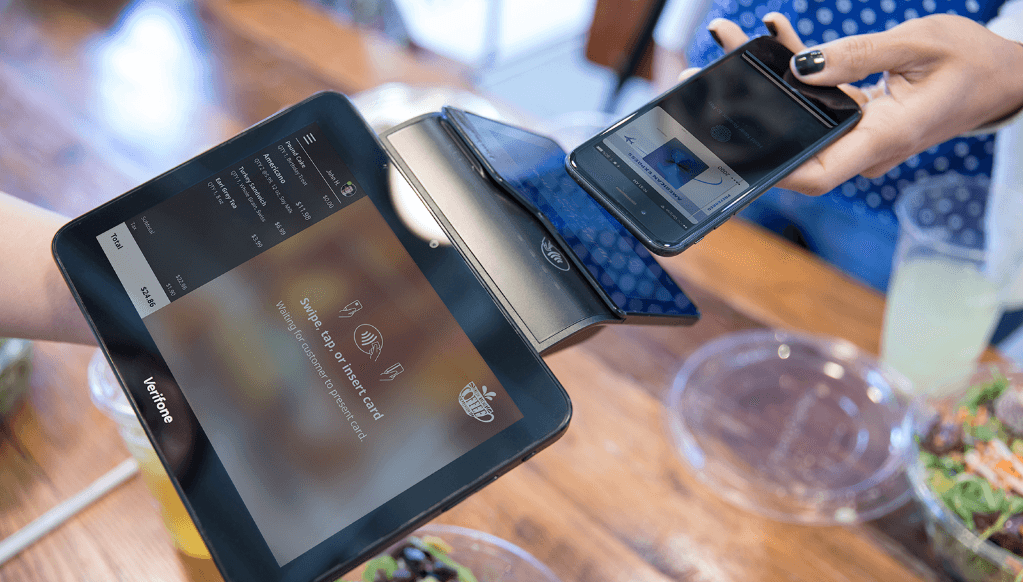
Diagram illustrating how a contactless offline transaction is processed

Merchant & POS

Can a Contactless Offline Transaction Occur?

A contactless offline transaction can occur. If the amount is lower than the floor limit defined on the POS and the card also allows offline authorization, the transaction can be completed offline. Offline transactions are periodically sent by the POS to the acquiring bank.

Unattended self-service POS terminal used for card payments

Merchant & POS

What Is an Unattended POS?

Unattended POS is a type of POS that is not managed by merchant staff and is triggered by the customer in self-service services. Its use has increased further with the rise of mobile payments.

Illustration for a glossary of cryptocurrency terms such as Bitcoin, blockchain and mining

Cryptocurrency

What Are the Terms Used in the Cryptocurrency World?

Cryptocurrencies are becoming part of everyday life and are expected to compete seriously with card payments. This glossary explains the key crypto terms, from address, altcoin and arbitrage to halving, mining, proof of stake and stop-loss.

Diagram illustrating the difference between Online PIN and Offline PIN verification in card payments

Payment Systems

What are Online and Offline PIN? Can PIN be bypassed?

Online PIN is verified by the card-issuing institution through the message itself, while Offline PIN is verified on the chip. This article explains the difference and when PIN bypass is allowed.

Illustration of ways merchants can reduce chargebacks on card transactions

Chargeback

How to Reduce Chargebacks (For Merchants)

Chargeback is inherent to card transactions, so it may be impossible to prevent entirely, but taking precautions keeps the risk to a minimum. Here are the key points merchants should pay attention to in order to reduce chargebacks.

Diagram illustrating ISO 8583 Field 12 local transaction time

ISO 8583

ISO 8583 Field Descriptions (F12)

DE 12-TIME, LOCAL TRANSACTION: the local time at which the transaction took place at the point of transaction (ATM, POS). 6 digits, hhmmss format. F12 differs from F7 (Transmission Date and Time).

MASAK suspicious transaction reporting guide

Laws & Regulations

What Is the MASAK Suspicious Transaction Reporting Guide?

This guide sets out the procedures and principles for reporting suspicious transactions for obliged parties other than the groups individually listed in the AML regulation, such as banks and insurers.

Illustration representing PIN Transaction Security (PTS) certified payment devices

Merchant & POS

What is PIN Transaction Security (PTS)?

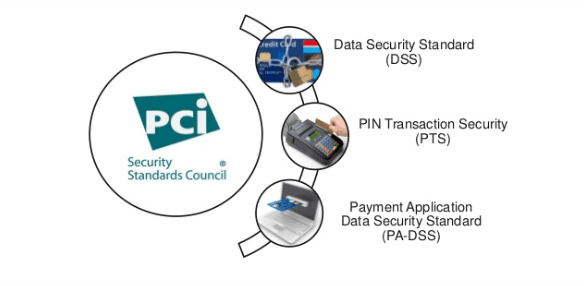
PIN Transaction Security (PTS) verifies that card data and PIN information are used for a payment transaction. It is a set of modular evaluation requirements managed by the PCI Security Standards Council for PIN-accepting terminals.

ISO 8583 field 35 Track 2 data

ISO 8583

ISO 8583 Field Descriptions (F35)

The card's Track 2 data is carried in this field. Track 2 data contains information such as the card number, expiry date and service code.

Diagram of an Onus installment transaction flow between POS and HOST

Payment Systems

What are the key points in an Onus Installment project?

Before describing the Onus Installment process, it is better to first answer: what is an Onus transaction? An Onus transaction is when the acquirer and issuer are the same institution, so the transaction is processed through that institution.