Skip to content

Search

"Settlement"

75 articles found

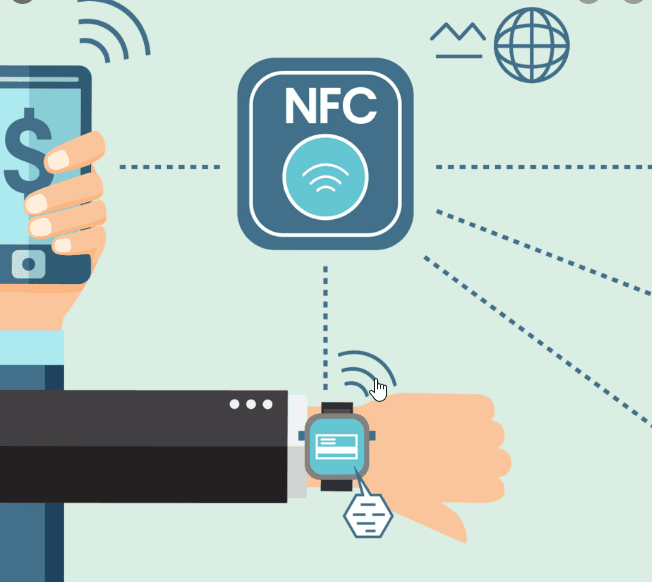
Illustration representing payment instruments such as cards and mobile devices

Payment Institutions & E-Money

What is a payment instrument?

Law No. 6493 on Payment and Securities Settlement Systems, Payment Services and Electronic Money Institutions defines a payment instrument as a personalized device such as a card, mobile phone, or password.

Virtual currency versus electronic money

Payment Institutions & E-Money

Are Virtual Currency and Electronic Money the Same?

No. Virtual currency is a digital representation of value not issued by any central bank, credit institution or e-money institution. Electronic money is defined in Turkish law and is tied to an electronic money institution.

Electronic money definition illustration

Payment Institutions & E-Money

What Is Electronic Money?

In general, electronic money is monetary value stored on a protected technological device. Turkish law defines it under Law No. 6493 as electronically stored value issued against funds and accepted by third parties as a means of payment.

ÖDED Payment and Electronic Money Association

Payment Institutions & E-Money

What Is ÖDED?

ÖDED (Payment and Electronic Money Association) is the only industry association representing the payment and electronic money institutions operating in Türkiye under Law No. 6493.

Diagram illustrating an Onus payment transaction between card and POS

Merchant & POS

What does Onus mean?

In the payment systems glossary, some terms are essential, including Onus. Onus literally means "on us" and refers to cases where the card-issuing bank and the POS/ATM bank are the same, meaning no clearing commission applies.

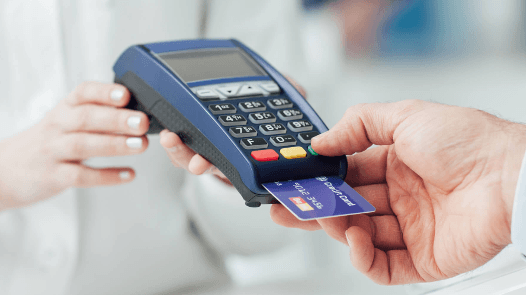
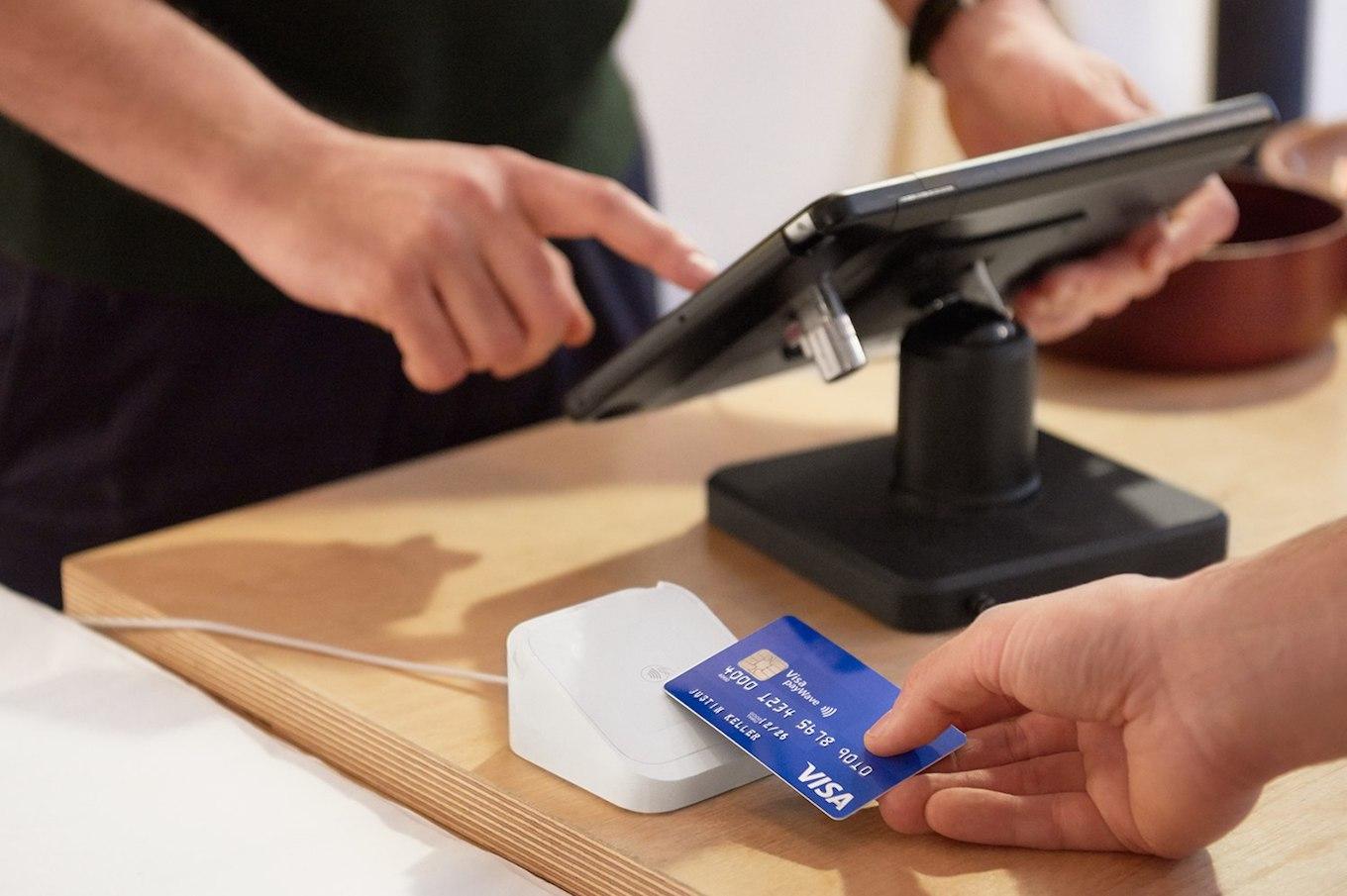
Customer making a contactless payment by tapping a card on a POS terminal

Contactless

What Is a Contactless Transaction?

A contactless transaction is a fast and secure payment made between a credit card and a POS terminal without direct contact, without reading the card's chip or magnetic stripe. Both the card and POS terminal must support contactless transactions.

Illustration of a surcharge fee added to a card payment transaction

Merchant & POS

What is a surcharge?

A surcharge is a fee, charge, or tax added to the cost of a good or service. In payment systems, it refers to adding the merchant's transaction commission to the cash sale amount on credit card transactions, resulting in a higher charge.

Diagram illustrating the structure of an ISO 8583 message field

ISO 8583

ISO 8583 Field Descriptions (F41)

F41 - CARD ACCEPTOR TERMINAL IDENTIFICATION: the terminal where a transaction took place. An 8-character alphanumeric value generated by the acquirer bank and assigned to the POS, managed as a unique terminal number at the acquirer.

Diagram illustrating the ISO 8583 field 32 structure

ISO 8583

ISO 8583 Field Descriptions (F32)

F32 - ACQUIRING INSTITUTION IDENTIFICATION CODE: the 11-digit acquirer bank ID. The values it can take for domestic transactions and by card brand include Visa, MasterCard, UnionPay, Discover and JCB formats.

Merchant choosing between a bank POS and a virtual POS service

Merchant & POS

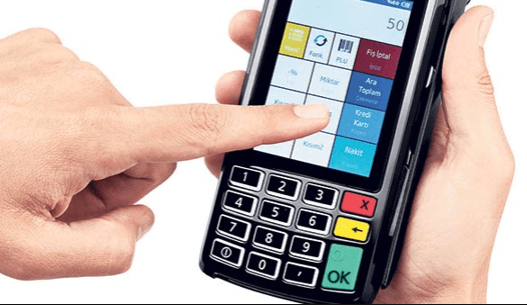
Is it mandatory to work with a bank to get a POS terminal?

The answer depends on the type of POS terminal. A physical POS (GPRS, Dial-Up, IP, or cash-register POS) requires working with a bank. A virtual POS can also be obtained from a payment institution without a separate bank agreement.