Skip to content

Search

"card number"

296 articles found

Numberless bank card design concept with no printed digits

Credit Card

Did Someone Say a Numberless Card?

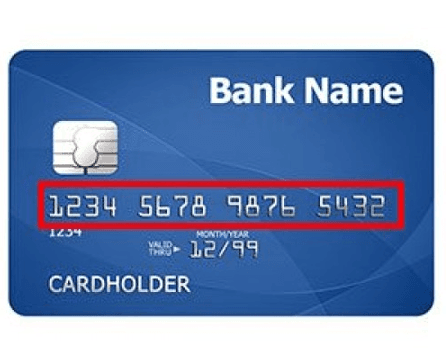
When we think of a credit card, we picture one printed with the Card Number, Cardholder Name, Expiration Date, and CVV2 information. But what if we told you there is a card with no numbers on it at all? It may sound strange at first, but...


Illustration of a 3D Secure payment verification screen

Merchant & POS

What is a 3D Secure transaction?

In e-commerce transactions, the system developed to increase transaction security for payments made with credit and debit cards is called 3D Secure. When paying with 3D Secure, a special payment screen provided by the banks appears on the user's screen.

BKM Express mobile payment application illustration

Credit Card

What is BKM Express?

What is BKM Express? BKM Express is a technical infrastructure solution developed by BKM that lets you pay securely for online purchases without sharing your card's full details. What are the advantages of BKM Express? To register your card you don't need to enter all…

Diagram showing the structure of an ISO 8583 message

ISO 8583

What Fields Make Up ISO 8583?

We covered the ISO 8583 basics in an earlier article. This post explains the ISO 8583 message structure in detail: every ISO 8583 message consists of three main parts - the MTI (Message Type Indicator), the Bitmap, and the Data Elements.

Embossed debit card with raised card number and cardholder name

Debit Card

What is an embossed debit card?

The main difference between embossed debit cards and standard debit cards is that the card number, cardholder name, and expiration date are printed in raised, embossed format rather than flat.

EMV upper consecutive offline limit

Merchant & POS

What Is the Upper Consecutive Offline Limit?

The Upper Consecutive Offline Limit is the maximum number of consecutive offline transactions allowed by the issuer's chip card application on a terminal that cannot go online. It is held in tag 9F23.

Diagram comparing the three levels of payment-card tokenization: static, semi-dynamic and dynamic

HCE

What Are the Levels of Tokenization?

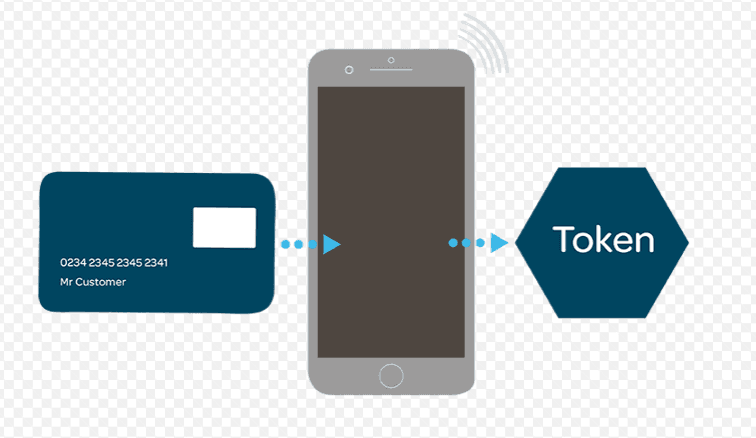
Generating a token from the card number is essential to the security of payments made with mobile devices. The level of tokenization used depends on the need and on how critical the token is. Static tokenization: the token is generated once and stored in a database.

Diagram illustrating the card authorization process

Merchant & POS

What Happens During Authorization?

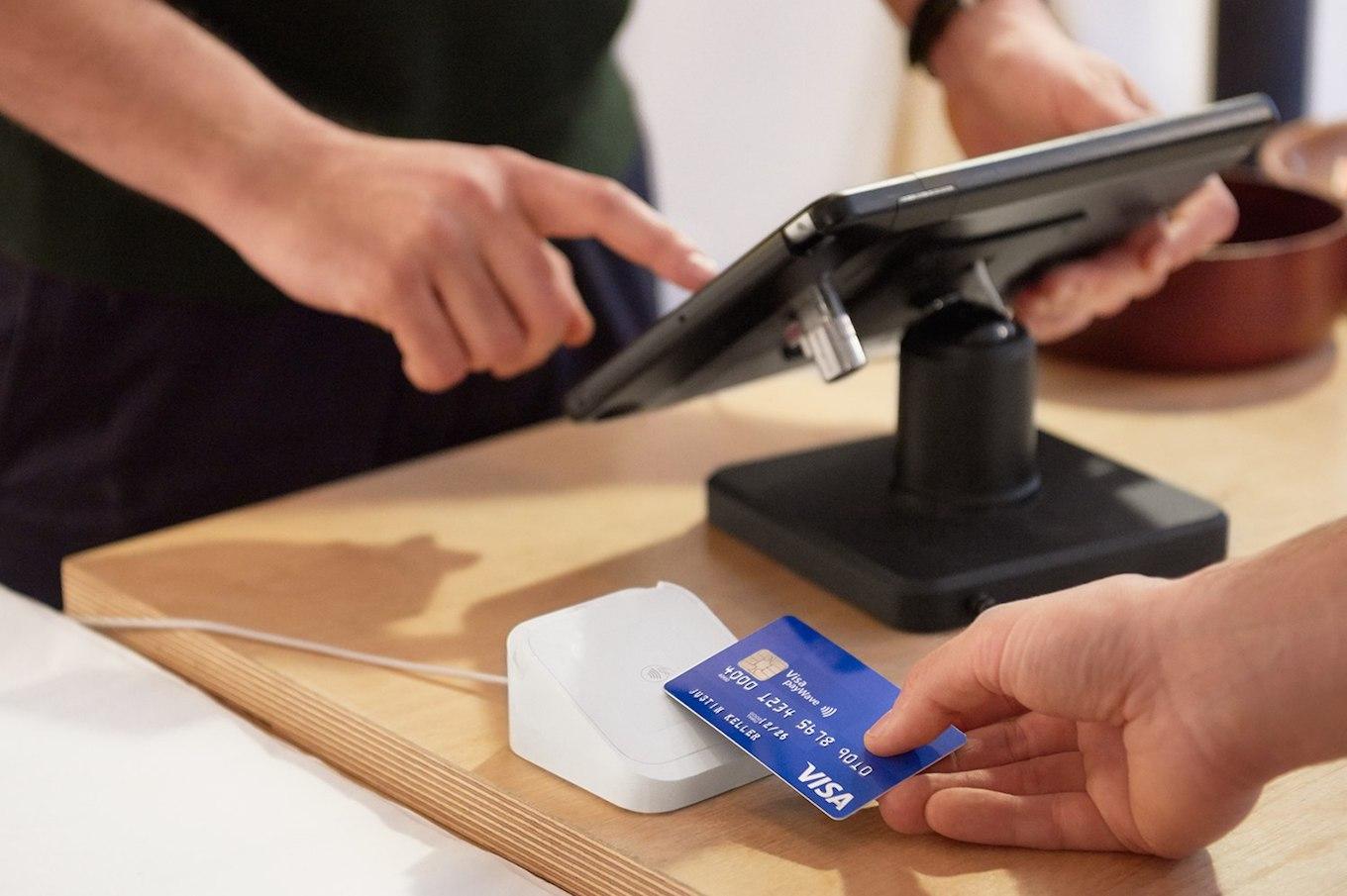
Today, credit cards play an important role in our daily lives. We can carry out almost all of our transactions without carrying cash, using our credit card instead. During a purchase, we hand our card to the cashier and enter our PIN at the POS terminal.

Warning illustration about a fake social media gift points scam targeting card details

Credit Card

Congratulations, You Won Gift Points..

A real attempted card fraud story: a fake Facebook friend request, a promise of free bank points, and a request for card number, expiry date and CVV2. Here is what happened and how to protect yourself.

Illustration of a credit card showing standard ISO/IEC 7810 and 7811 design features

Credit Card

What is a Credit Card?

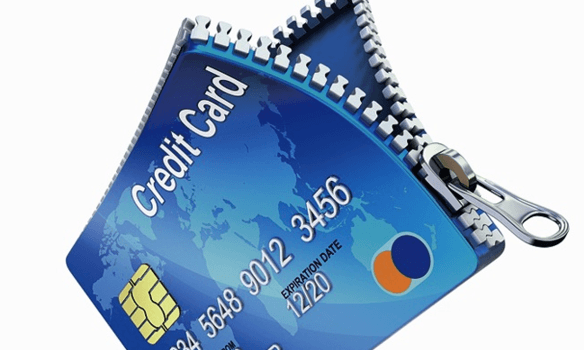
A credit card is a printed card, or a card number with no physical form, that allows the purchase of goods and services or cash withdrawal without using cash. So how are credit card limits set and managed? Setting a limit involves checking many parameters about the customer.