Skip to content

Search

"payment terminal"

128 articles found

UnionPay logo

Payment System Institutions

What is the UnionPay Online Payment System (UPOP)?

UnionPay Online Payments (UPOP) lets merchants in China, New Zealand, Australia and other countries extend their e-commerce stores to accept UnionPay payments. UnionPay supports over 5 billion cards in more than 140 countries.
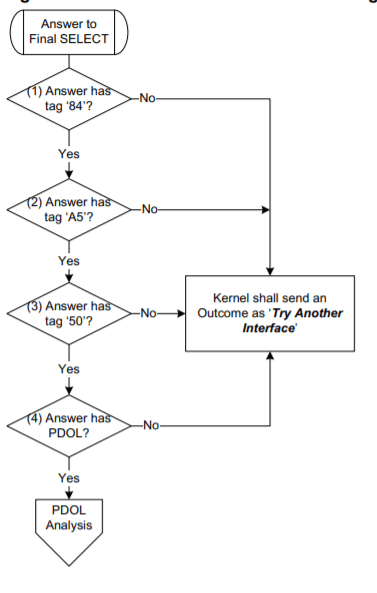
Payment terminal screen displaying the Application Label of a card

Credit Card

What Is Application Label?

A mandatory alphanumeric field, 1-16 characters, sent in tag 50 of EMV transactions, representing a name related to the card application's AID in the ADF.

Illustration of Host Card Emulation (HCE) enabling contactless mobile payments

Online & Authorization

What Is HCE?

HCE lets a mobile device's operating system emulate the cards we use daily (credit, debit, gift cards, etc.) to make contactless payments via NFC. In other words, our phones behave like the cards we use for payments.

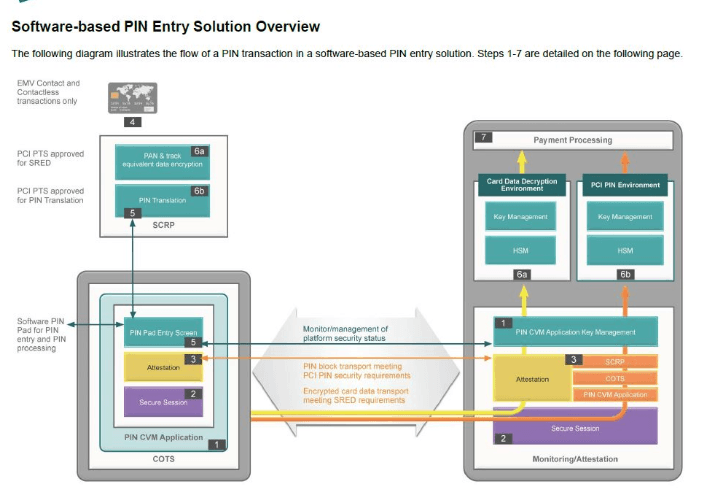
Diagram illustrating the SPoC solution architecture for secure PIN entry on a COTS device

Security

What is Software-based PIN Entry on COTS (SPoC)?

Published by the PCI SSC, Software-based PIN Entry on COTS (SPoC) is a standard that provides a software-based approach for protecting PIN entry on commercial off-the-shelf devices such as smartphones and tablets.

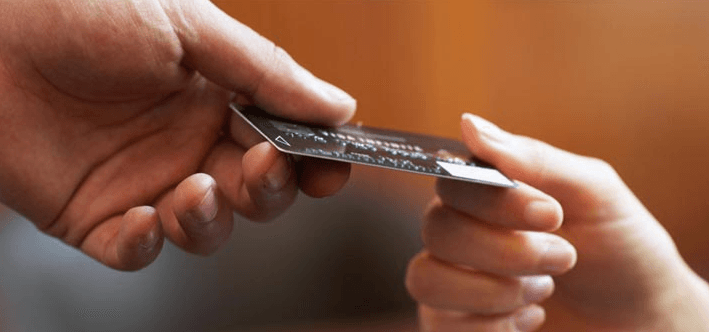
Diagram of ISO/IEC card standards defining credit card dimensions and layout

Credit Card

Standards that define credit card design and operation

When payment systems come to mind, credit cards are usually the first thing people think of. Credit cards are produced according to specific standards, both in visual design and during printing. These standards belong to the ISO/IEC 781X family.

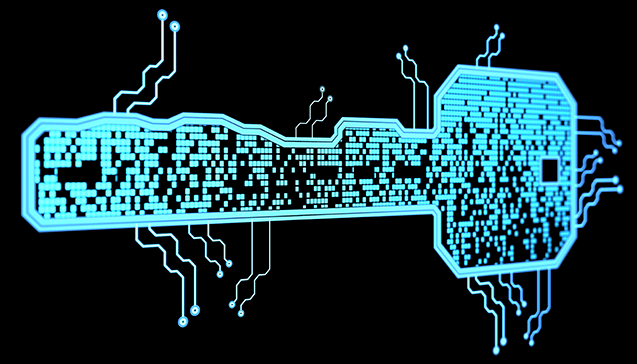
Diagram illustrating the relationship between KEK and DEK encryption keys

HSM & Security

What is KEK (Key Encryption Key)?

KEK (Key Encryption Key) is an encryption key used to encrypt the DEK (Data Encryption Key) and decrypt the encrypted DEK. The relationship between KEK and DEK: in encryption systems, keys are managed in a layered structure.

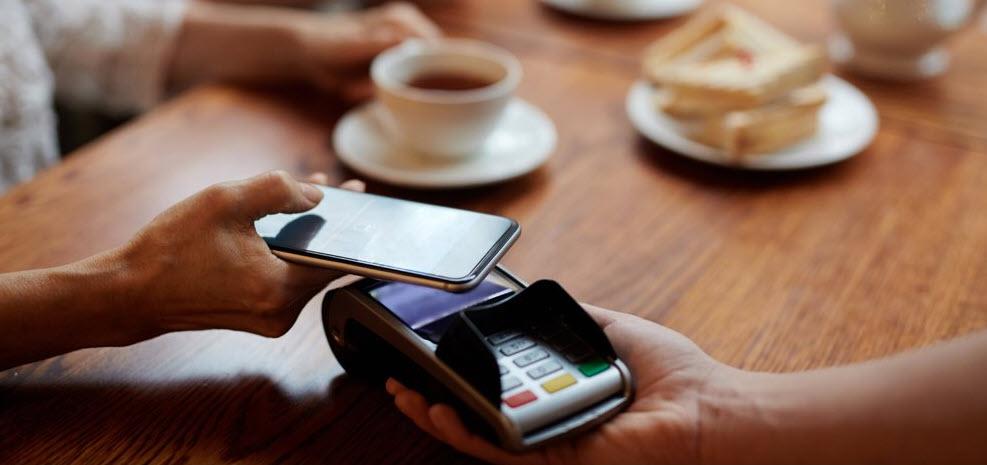
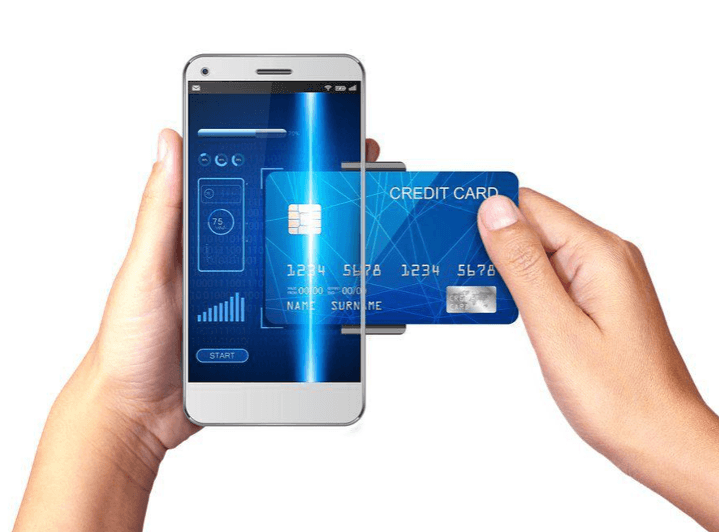
Smartphone being used as a mobile POS device for a card payment

Merchant & POS

Mobile Phones Are Turning Into POS Devices

With advances in technology, mobile phones can now be used for many functions besides calls and internet access. One such innovation is the ability to use smartphones or tablets as POS devices.

Merchant choosing between a bank POS and a virtual POS service

Merchant & POS

Is it mandatory to work with a bank to get a POS terminal?

The answer depends on the type of POS terminal. A physical POS (GPRS, Dial-Up, IP, or cash-register POS) requires working with a bank. A virtual POS can also be obtained from a payment institution without a separate bank agreement.

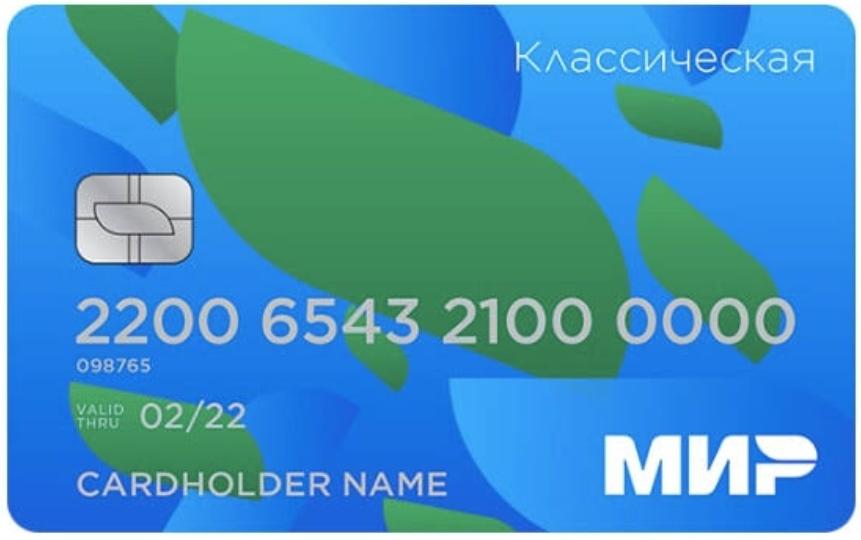
Mir, the Russian national payment scheme, shown on a payment card

Credit Card

What Is MIR, the Russian Payment Scheme?

Mir means World and Peace. It is a national payment system established by a law adopted by the Central Bank of Russia on 1 May 2017. It is currently accepted mostly by Russia-based companies, but acceptance is gradually spreading.

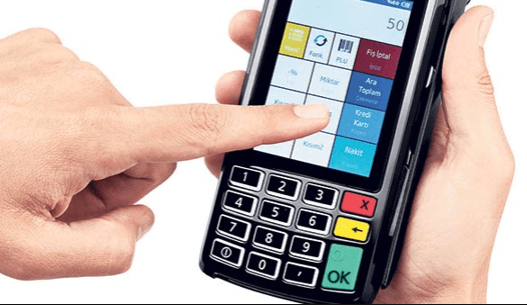
POS terminal used for a card payment transaction

Merchant & POS

What Is a Timeout in Payment Systems?

In the world of payment systems, both the issuer (the cardholder's bank) and the acquirer (the POS/ATM bank) must follow certain rules for card transactions made through a POS terminal or an ATM. Responding to transactions within a certain time is one of these rules.

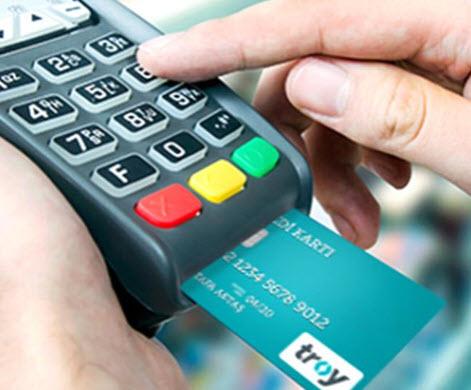
Payment POS terminal reading a bank card at a merchant counter

Payment Systems

Beware of Inefficient POS Terminals and Lines!

Why do institutions track inefficient POS terminals and lines? This post looks at the costs they create, such as device purchases, field service and software fees, and how to deal with merchants that generate little turnover.