Skip to content

Search

"software"

101 articles found

Screenshot of an online shopping page illustrating consumer rights in e-commerce

Security

What Are Your Rights in E-Commerce Transactions?

E-commerce has grown significantly in recent years, and so have negative experiences and concerns about trust. This post summarizes the basic consumer rights under Law No. 4077: the right of withdrawal, cargo delivery rights, defective products and the Consumer Arbitration Committee.

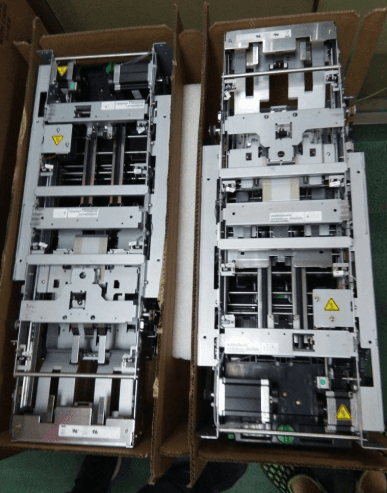
Cash dispenser unit inside an ATM diagram

ATM

What Is a CD (Cash Dispenser)?

A cash dispenser is a device that lets customers withdraw money. Although the term is sometimes used as another name for an ATM, the dispenser is actually the unit inside the ATM that dispenses the money loaded into its cassettes.

Diagram illustrating how an API connects applications and servers

Payment Institutions & E-Money

What is an API?

Used as an abbreviation for Application Programming Interface, an API is an interface that allows an application's functions to be accessed and used from outside or remotely, letting an application on a server be reached from different platforms.

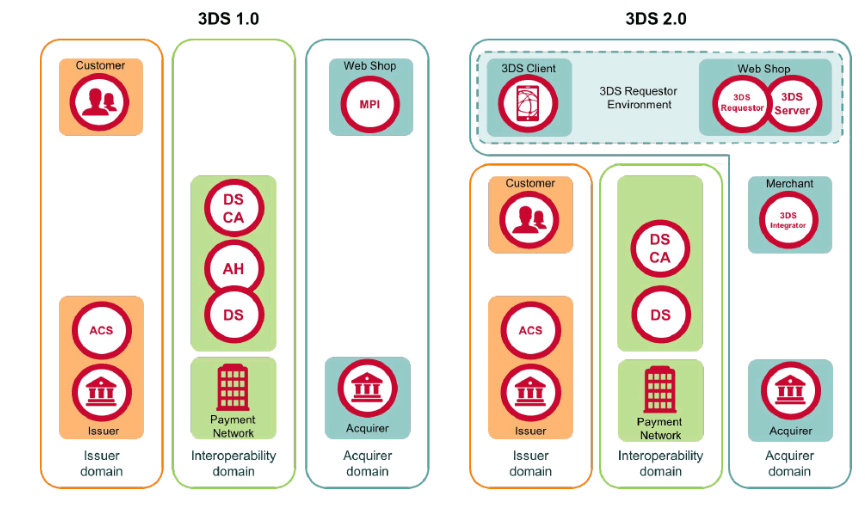
Architecture of 3DS 1.0 compared with 3DS 2.0, showing the issuer, interoperability and acquirer domains

Security

What Is 3D Secure 2.0?

Before 3D Secure 2.0, let's explain what 3D Secure is. 3D Secure is a two-layer payment authentication system that protects both the cardholder and the merchant in online payments. First released by Visa in 1999, it was later adopted by other card schemes…

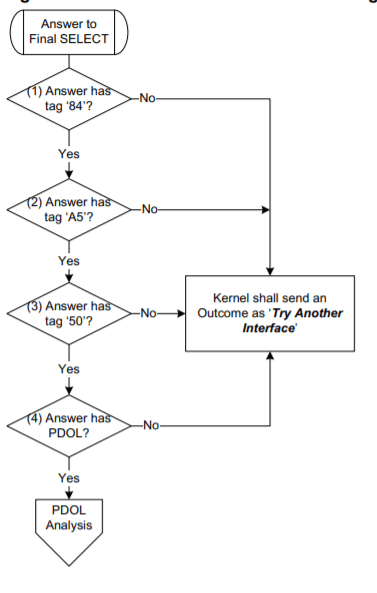
Payment terminal screen displaying the Application Label of a card

Credit Card

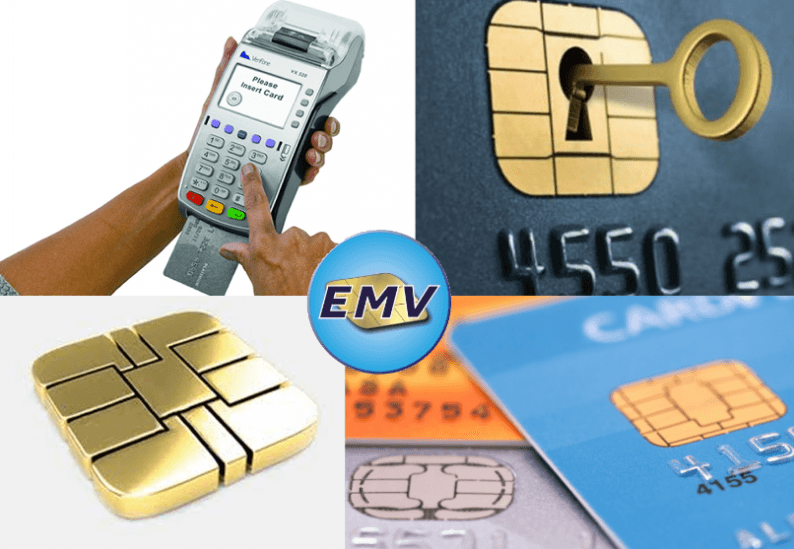
What Is Application Label?

A mandatory alphanumeric field, 1-16 characters, sent in tag 50 of EMV transactions, representing a name related to the card application's AID in the ADF.

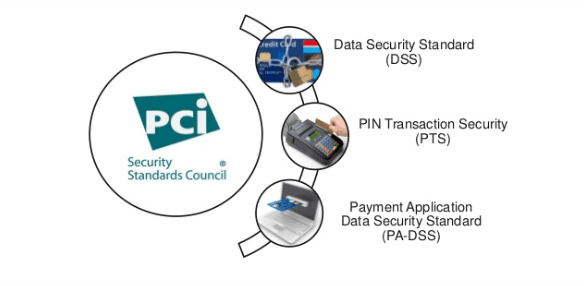
Illustration representing PIN Transaction Security (PTS) certified payment devices

Merchant & POS

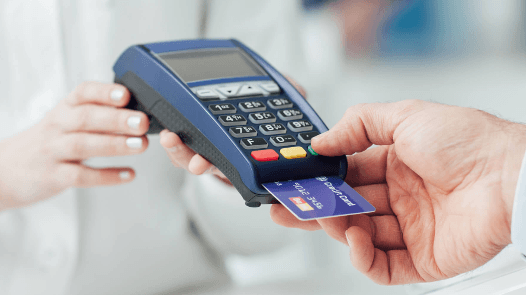
What is PIN Transaction Security (PTS)?

PIN Transaction Security (PTS) verifies that card data and PIN information are used for a payment transaction. It is a set of modular evaluation requirements managed by the PCI Security Standards Council for PIN-accepting terminals.

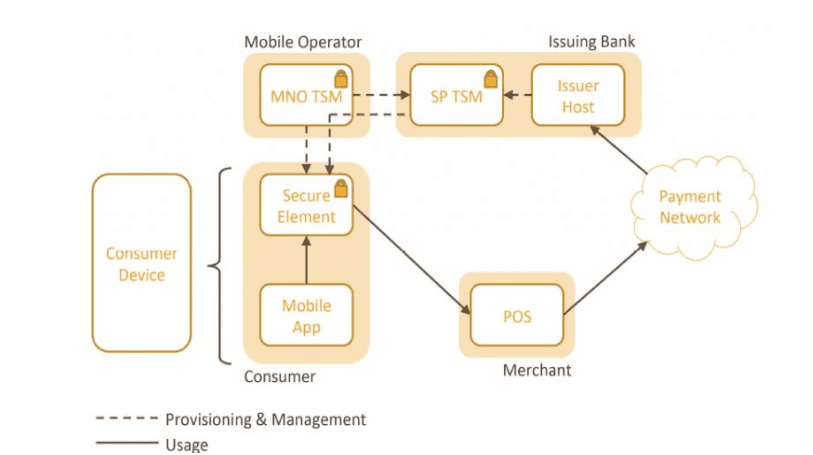
Diagram illustrating the role of a Secure Element Issuer in mobile payments

HSM & Security

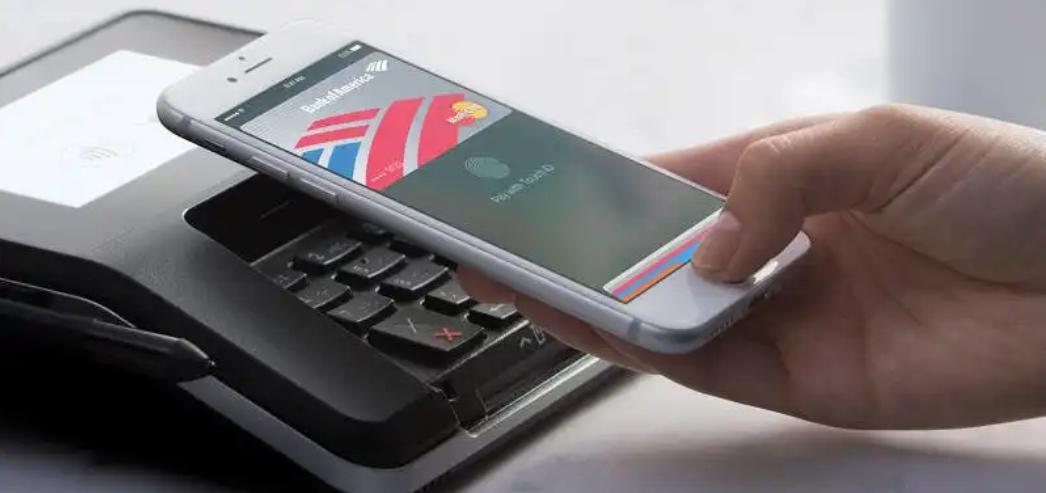
What is a Secure Element Issuer?

Secure Element Issuer is the stakeholder that provides, maintains, and updates the secure element in cases where mobile payment application and card data are stored in the secure element inside a mobile phone.

Table showing payment system response code values that indicate transaction approval

Online & Authorization

What Are the Response Code Values That Mean Approval?

In payment systems, the result of a transaction is sent in the F39 field. The F39 value is the code indicating the transaction's approval or decline status. It is a 2-character alphanumeric code. When approved, the value is usually 00.

FDK function display key buttons on an ATM screen

ATM

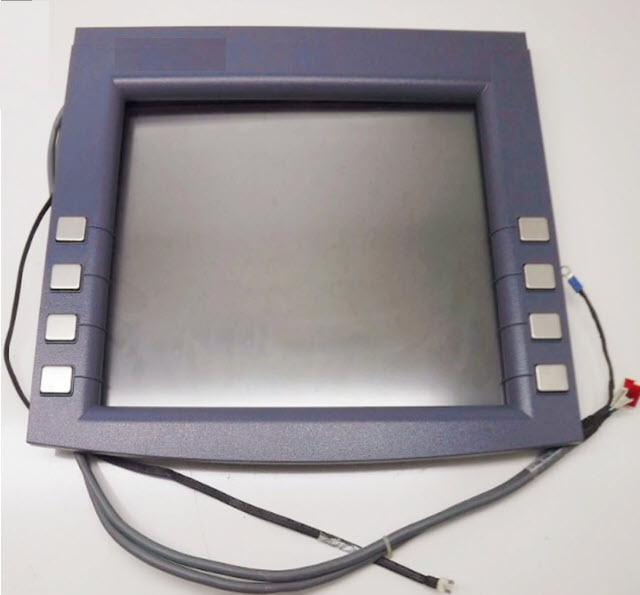
What Is FDK (Function Display Key)?

At ATMs, transaction selection and processing are carried out using the buttons on the right and left of the ATM screen. These buttons are called FDK (Function Display Key) buttons. Does every ATM have FDK?

Diagram illustrating BKM TechPOS shared POS infrastructure

Merchant & POS

What is BKM TechPOS?

BKM TechPOS is an infrastructure through which card acquirers and POS/cash register manufacturers can interoperate via BKM, letting all participating banks provide card acceptance services on a single device.

Mobile phone used to accept payments through the Secure Mobile Payment System

Merchant & POS

What Is Secure Mobile Payment?

The Secure Mobile Payment System is a system permitted by the Ministry, operated under the Revenue Administration (GIB) Communiqué, for sales, payment and collection transactions and the electronic creation, transmission and retention of the related financial documents.

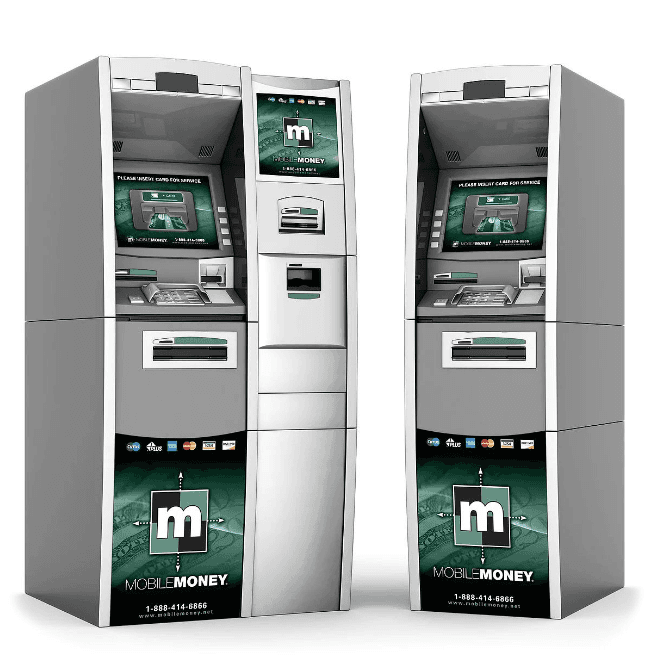
Illustration of the internal cash tower unit inside an ATM

Payment Systems

What is a tower?

In payment systems, the tower is the section inside an ATM where cash is physically stored. It contains cassettes holding different banknote denominations, a mix cassette for mismatched notes, and various security mechanisms protecting the cash.