Skip to content

Search

"Card Transactions"

583 articles found

Stand-in authorization flow diagram

Credit Card

What is Stand-In Authorization?

In the standard authorization flow, the transaction is initiated by the acquirer (POS bank) and forwarded to the issuer (card-issuing institution). The process is completed once the issuer responds. However, this isn't always possible; when the issuer fails to respond, BKM steps in...
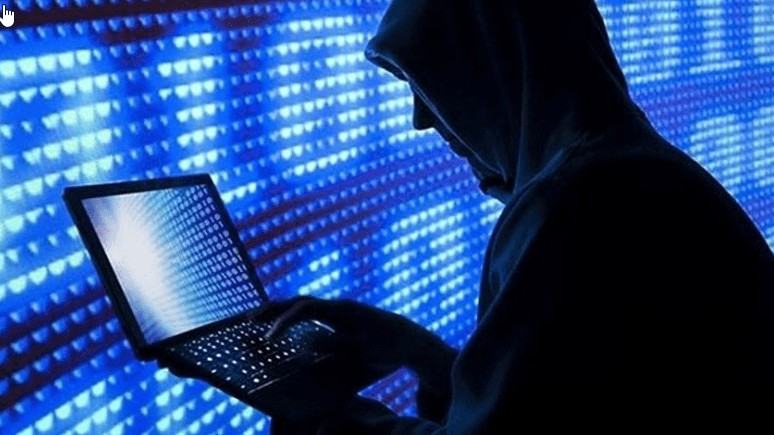
Illustration of a phone scam call impersonating a bank

Security

We're Calling From the Bank, Your Account Has Been Compromised...

Fraud cases where scammers pose as bank staff or other institution employees to obtain citizens' banking information have increased significantly recently. Interestingly, the new fraud trend closely mirrors the steps of a genuine banking procedure.

Diagram illustrating the types of chargeback disputes in card payments

Chargeback

What are the chargeback dispute types?

A chargeback is a dispute raised against a card transaction when the cardholder did not make it or does not recall it. The dispute types vary depending on the situation; let's look at them.

Diagram illustrating the card authorization process

Merchant & POS

What Happens During Authorization?

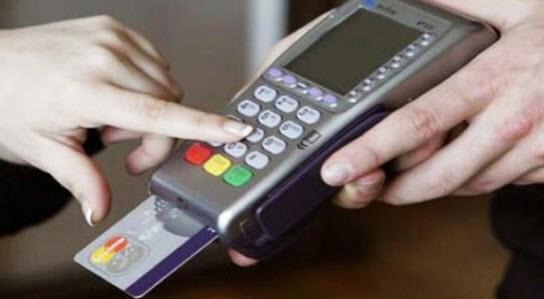
Today, credit cards play an important role in our daily lives. We can carry out almost all of our transactions without carrying cash, using our credit card instead. During a purchase, we hand our card to the cashier and enter our PIN at the POS terminal.

Illustration representing real-time and near real-time fraud monitoring in payment systems

Fraud

What is Online (Real Time) and Near Online (Near Real Time) Fraud?

Fraud monitoring refers to tracking card transactions through scenarios to detect potential fraud and taking rapid action immediately before or after a transaction occurs - such as identifying a suspicious transaction, calling the customer, or temporarily blocking the card to prevent authorization.

How a business card works for corporate companies

Credit Card

How Does a Business Card Work?

A business card is a card corporate companies use to manage their financial transactions. The application is made in the company's name, and a virtual primary card that is not physically printed is created for the company. Additional cards are then issued to users.

Physical credit card compared with a virtual card on a mobile phone

Credit Card

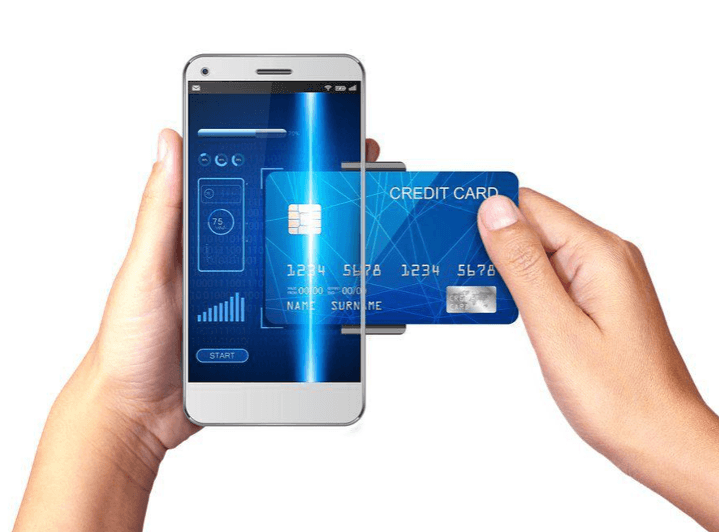
Physical or Virtual Credit Card: Which Do You Prefer?

Digitalization is reshaping payment systems. Credit cards are moving from physical plastic to virtual cards, e-wallets and mobile payments. Will physical card use disappear completely? Here is a look at the trends, Generation Z and the remaining gaps.

Table showing prepaid card loading, spending and cash withdrawal limits

Prepaid Cards

What Are the Transaction Limits for Anonymous Prepaid Cards?

Prepaid cards are among the most popular cards right now, and their use keeps growing. A prepaid card is not linked to a bank account, has no credit limit like a credit card, and can be used up to the amount loaded onto it.

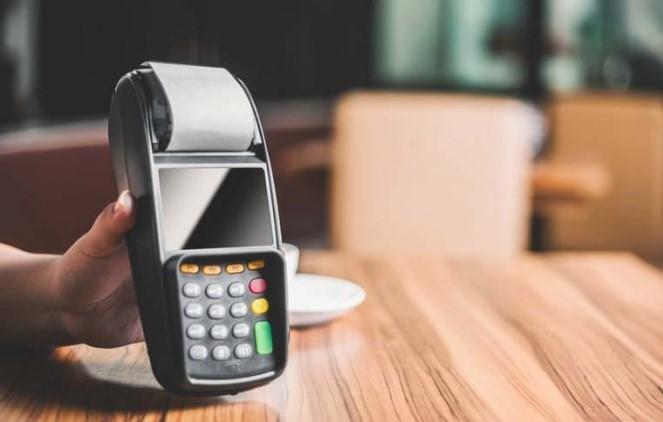
Photograph of a POS terminal used for Chip and Pin card payments

Merchant & POS

What is Chip&Pin?

Chip&Pin, introduced in Turkey on March 31, 2006, is a payment method that greatly reduces the risks of card copying and loss or theft fraud. The chip on the card reduces copying risk, while the 4-digit PIN prevents unauthorized use of a lost card.

Illustration of a point-of-sale terminal checking a card against a warning list

Merchant & POS

What is the Combined Warning List (BUL)?

The Combined Warning List (BUL) lists card numbers the issuer wants blocked (lost, stolen, counterfeit, etc.), which acquiring merchants check within certain limits, at their own risk, when online authorization cannot be obtained.