Skip to content

Search

"Debit and Credit Cards"

126 articles found

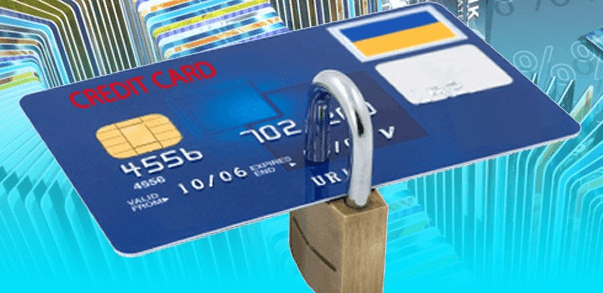
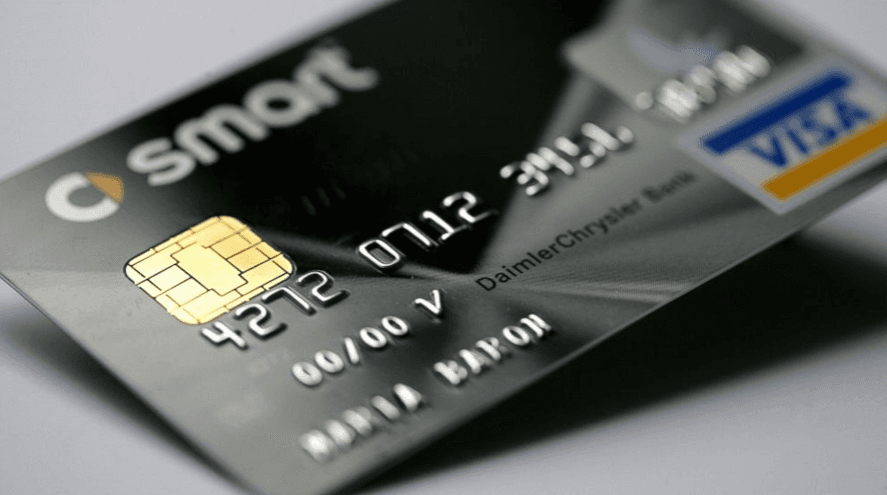
Close-up of a credit card showing the embossed cardholder name

Credit Card

Can the emboss name be printed on a card without limit?

The customer's name and surname printed on credit and debit cards is called the emboss name. But can the name be printed on a card without any limit? There is a defined field for all information printed on a card, and these fields have specific standards.


Illustration of a digital wallet storing payment card information

Credit Card

What Is a Wallet?

The term 'wallet' has many definitions in payments and fintech. In general, it refers to digital wallets (e-wallets) used in e-commerce, popular because they let users securely store payment information and pay easily.

Screenshot of a digital wallet mobile application interface

Credit Card

What is a digital wallet?

A digital wallet is an electronic wallet where credit, debit, or prepaid cards are registered in one place. Cardholders can securely add, store, update, and delete card details, then pay with a single click.

Diagram explaining how a pre-authorization transaction works on a credit card

Merchant & POS

What Is a Pre-Authorization Transaction?

An operation that allows a credit card's limit to be blocked for a period, due to the nature of the product or service sold. Preferred mainly by companies in travel, tourism, and car rental.

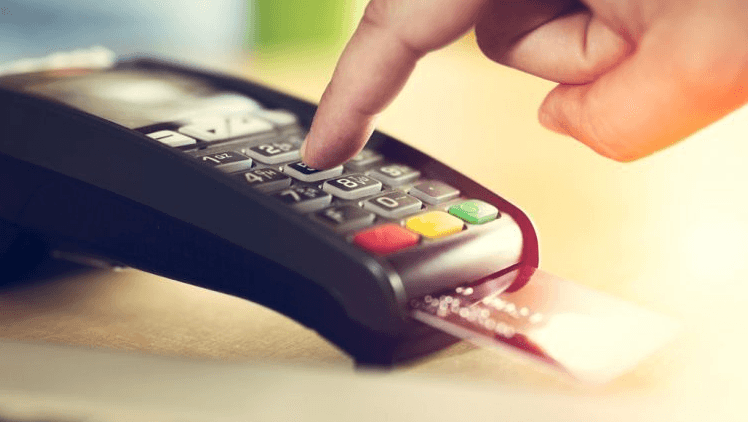
PIN pad screen on a payment terminal for entering a card PIN

Credit Card

What Happens If I Enter the Wrong PIN on Card Transactions?

Nearly all transactions where credit and debit cards are used physically require a PIN. The PIN represents the cardholder's identity. Here is what happens if a customer enters the wrong PIN too many times and how the card is restored.

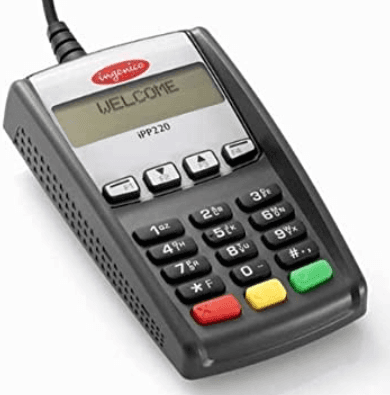
Photo of a Pin Entry Device (PIN pad) used for card payments

Merchant & POS

What is a Pin Entry Device (PED)?

Pin Entry Device is another name for the PIN pad device we all know and use daily. It makes it easier for users to enter their card PIN during POS transactions with credit or debit cards, and is used for contactless card reading...

Illustration representing payment instruments such as cards and mobile devices

Payment Institutions & E-Money

What is a payment instrument?

Law No. 6493 on Payment and Securities Settlement Systems, Payment Services and Electronic Money Institutions defines a payment instrument as a personalized device such as a card, mobile phone, or password.

Illustration representing Merchant Category Code classification for card transactions

Merchant & POS

What Does a Restricted/Prohibited MCC Mean?

The MCC code, or Merchant Category Code, is a 4-digit code used to classify merchants. Some MCC codes are restricted or prohibited, and POS terminals or card transactions may be blocked when such a code is used.

Diagram illustrating how a POS device identifies foreign bank cards using BIN lists

Merchant & POS

How Does a POS Device Detect Foreign Cards?

A POS is a functional device with its own dedicated software, customized according to the authorization system of the bank it is connected to, that accepts credit or debit cards. So, banks abroad launch dozens of new card products every day…

Illustration of the compliance process between merchant bank and issuer in card payments

Chargeback

What Is Compliance (Regulatory Compliance)?

Compliance means adherence to card scheme rules. Outside chargebacks, it is how a bank that loses money because card payment organization rules were broken recovers that amount from the party that caused the loss.

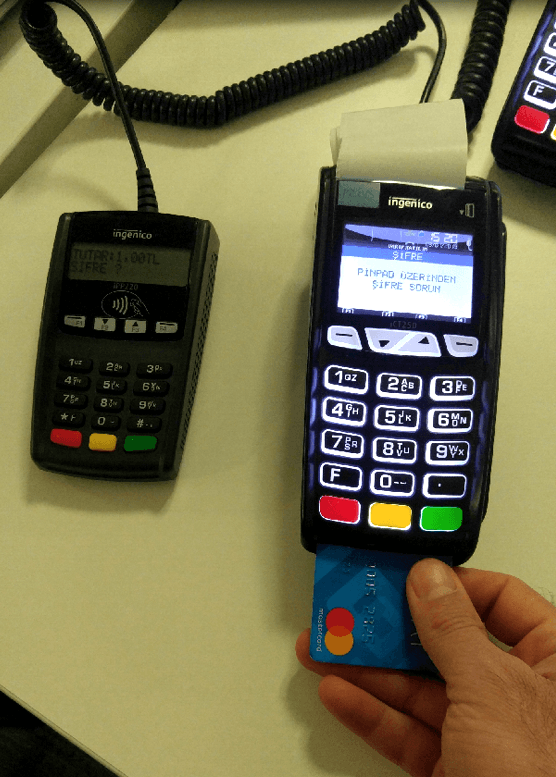
PIN pad device connected to a POS terminal

Merchant & POS

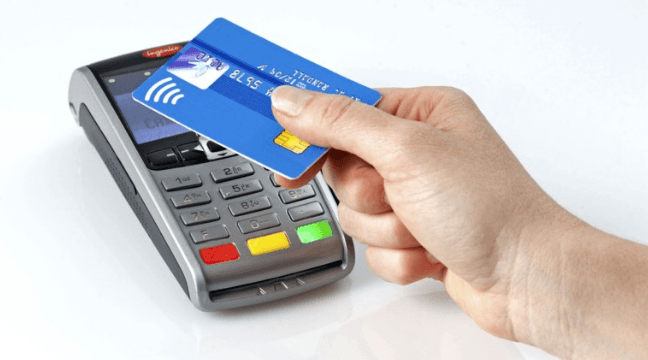
What Is a PIN Pad Device?

A PIN pad lets cardholders safely enter their PIN during POS transactions and lets contactless cards be tapped to transfer card data to the POS. Here is how it works.

Check-out button on an online payment screen

Security

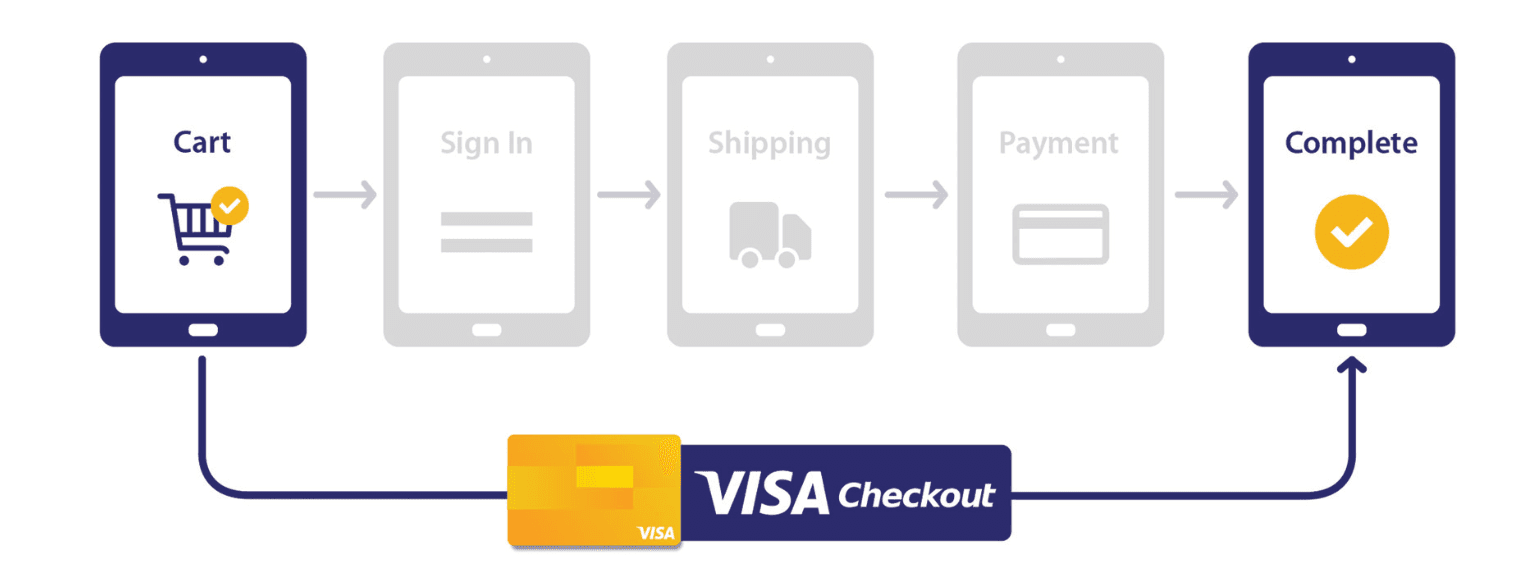
What is Check Out?

In online shopping, converting product browsing into a completed sale after a customer visits your site is just as critical. The amount of purchases abandoned due to friction in the online buying process often exceeds successful sales.