Skip to content

Search

"PIN security"

100 articles found

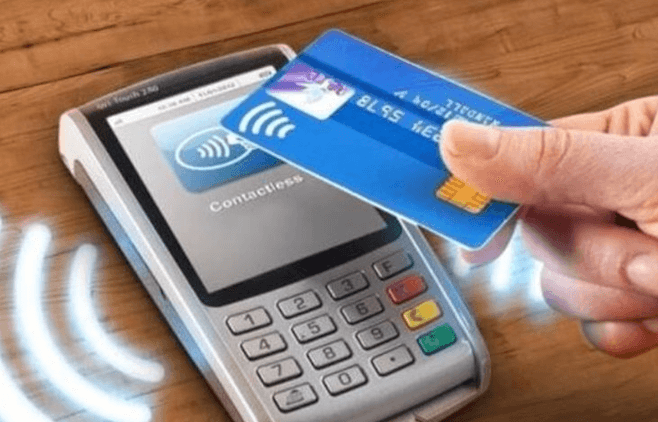
Contactless payment with a card on a POS terminal

Contactless

7 Reasons to Make Contactless Transactions

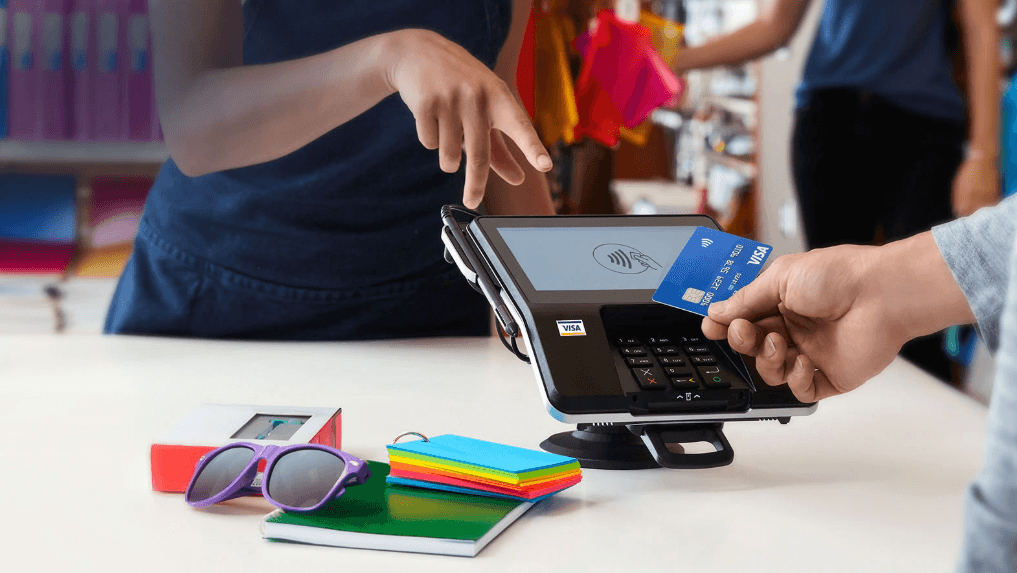
It is important to use contactless cards to prepare our payment habits for the future. In Turkey, one in every 3 cards and one in every 4 POS terminals is contactless-enabled, yet usage remains around 5%.
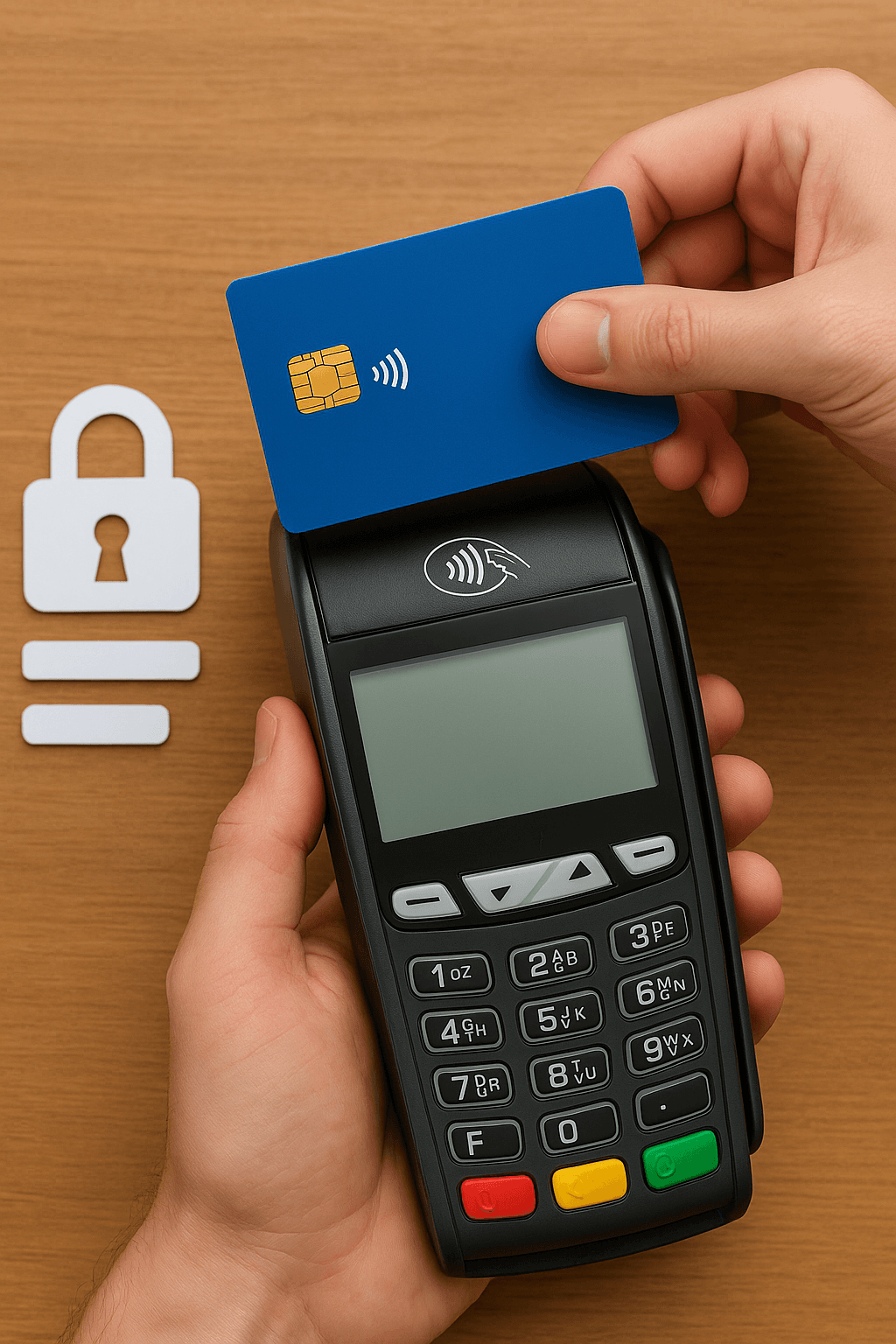
Contactless card payment at a POS terminal illustrating the 750 TL contactless limit

Payment Systems

Contactless Transaction Limit Raised to 750 TL

Current information: this post describes the limit at the time of publication. The BRSA raised the contactless card transaction limit to 750 TL, effective 1 July. Above the limit, contactless payments need a PIN. The post also traces the limit's history.

Illustration of customer-based contactless card limit management

Payment Systems

Can a Card's Contactless Limit Be Managed on a Per-Customer Basis?

Contactless payment has greatly improved the user experience, yet its fixed transaction limit is a common complaint. Can this limit be managed dynamically per customer? This post covers the current situation, technical and regulatory requirements and the outlook.

Diagram illustrating ISO 8583 Field 61 Point of Service (POS) data structure

ISO 8583

ISO 8583 Field Descriptions (F61)

F61 - POINT OF SERVICE (POS) DATA: This field provides information about the specific status of the POS at the time of the transaction. Position Usage Attribute 1 POS Terminal Attendance Indicator 0 = Attended terminal (Valid for MasterCard debit card and Maestro transactions only).

Contactless reader device attached to a POS terminal

Merchant & POS

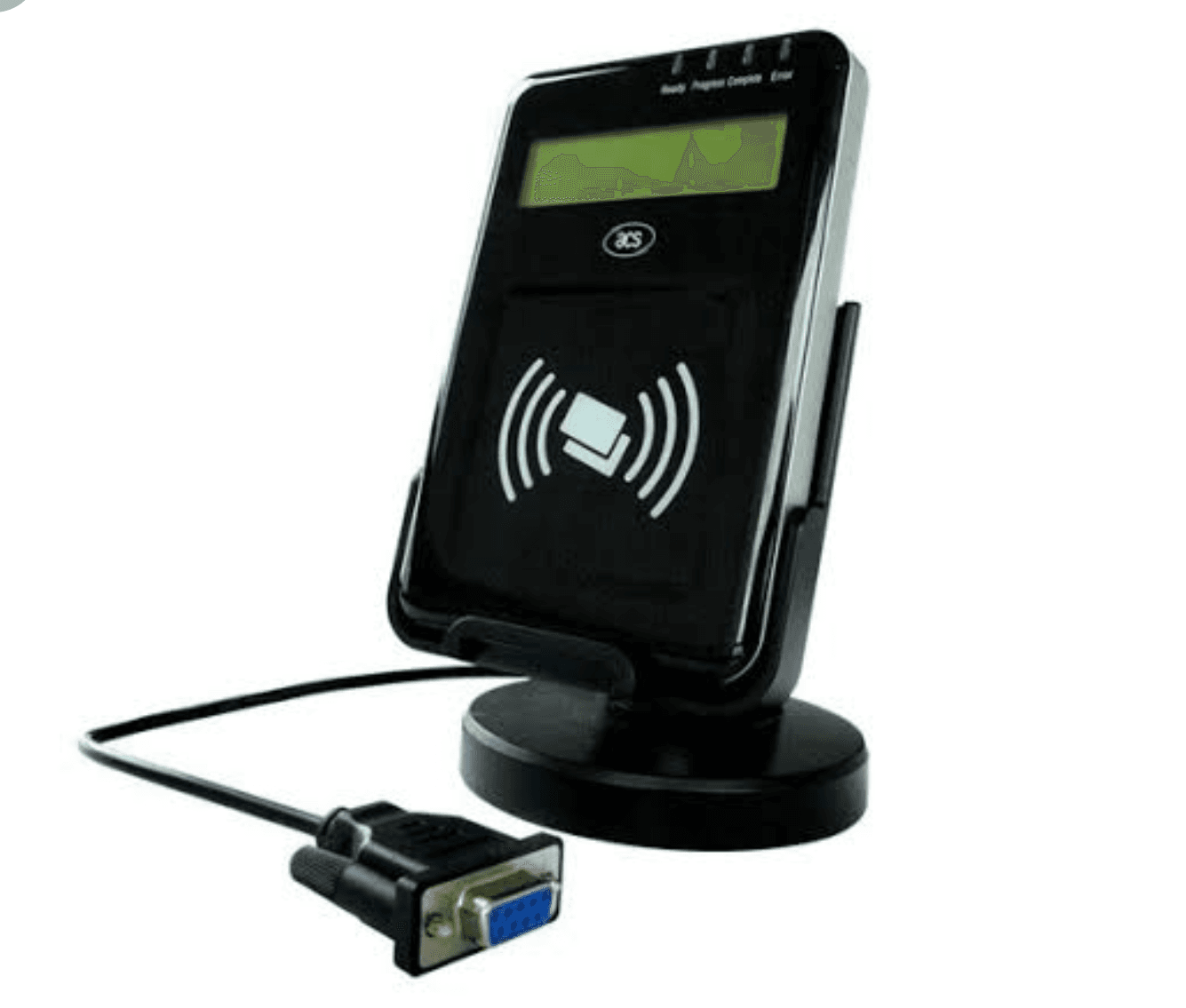
What Is a Contactless Reader?

These are devices connected to a POS terminal that allow fast payments, up to a certain limit, using contactless credit cards or prepaid cards by tapping them on the contactless reader instead of the POS's card reader. Can every POS have a contactless reader attached?

Diagram illustrating the types of chargeback disputes in card payments

Chargeback

What are the chargeback dispute types?

A chargeback is a dispute raised against a card transaction when the cardholder did not make it or does not recall it. The dispute types vary depending on the situation; let's look at them.

Illustration representing Strong Customer Authentication (SCA) under PSD2

Payment Systems

What is Strong Customer Authentication (SCA)?

Strong Customer Authentication (SCA) is a security requirement introduced under the EU's Payment Services Directive 2 (PSD2) to increase security and reduce fraud in online payment transactions. SCA requires two of three independent authentication factors.

Illustration of a Card Not Present (CNP) online payment transaction

Credit Card

What Is a CNP (Card Not Present) Transaction?

CNP refers to a transaction made through a website or a company's own app payment page, where the card is not read by any device and its details are entered manually. It is short for Card Not Present.

PCI Security Standards Council overview

Security

What is PCI SSC?

It is an organization aimed at developing, managing, teaching, and raising awareness of security standards in the Card Payments Industry. The PCI Security Standards Council is also an open global forum for data security standards.

Screenshot of a mobile banking app showing the QR code deposit flow at an ATM

ATM

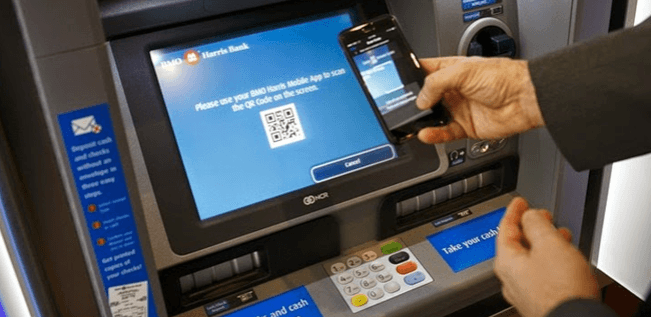
Depositing Money with a QR Code

Many banks now let customers deposit cash by scanning a QR code with their mobile banking app instead of inserting a card at the ATM. This speeds up the transaction, reduces card skimming risk, and adds an extra layer of security through in-app verification.

Diagram illustrating card fraud and forgery in card payments

Security

What Is Forgery in Card Payments?

Forgery in card payments means transactions made with card details without the cardholder's knowledge, or purchases with counterfeit or stolen cards. Merchants cannot eliminate fraud and chargeback risk, but they should aim to reduce it to reasonable levels.

POS terminal processing an EMV chip card transaction

Credit Card

Application Interchange Profile (AIP)

The Application Interchange Profile indicates the application functions supported by the card. The AIP values and their descriptions are given below. Where is the AIP found? The AIP is a 2-byte piece of data stored on the card, carried under EMV tag 82.