Skip to content

Search

"card acquiring"

108 articles found

Overview of the payment services that e-money institutions in Turkey are authorized to provide

Payment Systems

Which E-Money Institution Can Offer Which Services?

All e-money institutions are authorized to issue e-money under Article 18, paragraph 2 of Law No. 6493. In addition, the payment services they are authorized to provide under Article 12 of Law No. 6493 are shown in the table below.
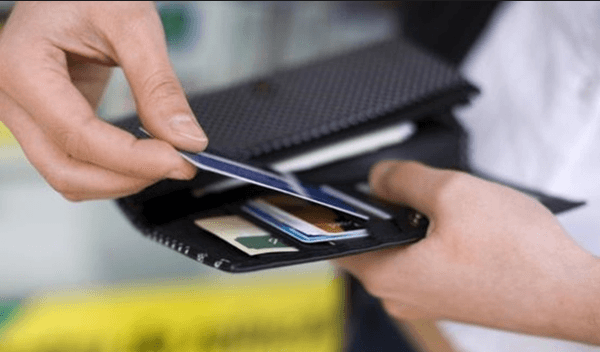
Diagram illustrating clearing and settlement in payment systems

Clearing

What Are Clearing and Settlement?

Clearing: the transmission of transfer orders sent to the system, mediating their mutual delivery, obtaining authorization prior to settlement in some systems, and netting payment orders.

Illustration of a digital receipt delivered through a banking mobile app instead of a paper receipt

Payment Systems

Digital Receipt Era Is Coming...

The BRSA has introduced a regulation to reduce paper use in POS devices. Cardholders who do not want a paper receipt for card purchases will be able to receive and store it digitally, with the rules taking effect in September and December 2023.

Credit card being inserted into a merchant POS terminal

Credit Card

What Is the Transaction Life Cycle in the Card World?

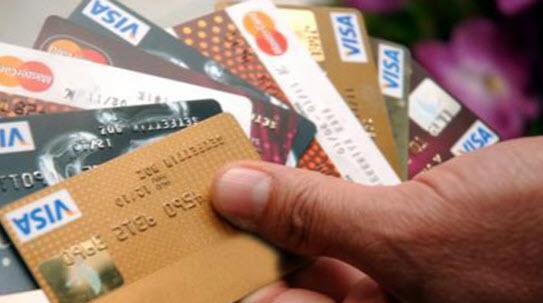
As credit cards become more and more a part of our lives, we now make almost all our purchases without cash. We inserted our card into the merchant's POS. We made a 100 TRY sale transaction. We received a receipt confirming it was successful.

Diagram illustrating the card authorization process

Merchant & POS

What Happens During Authorization?

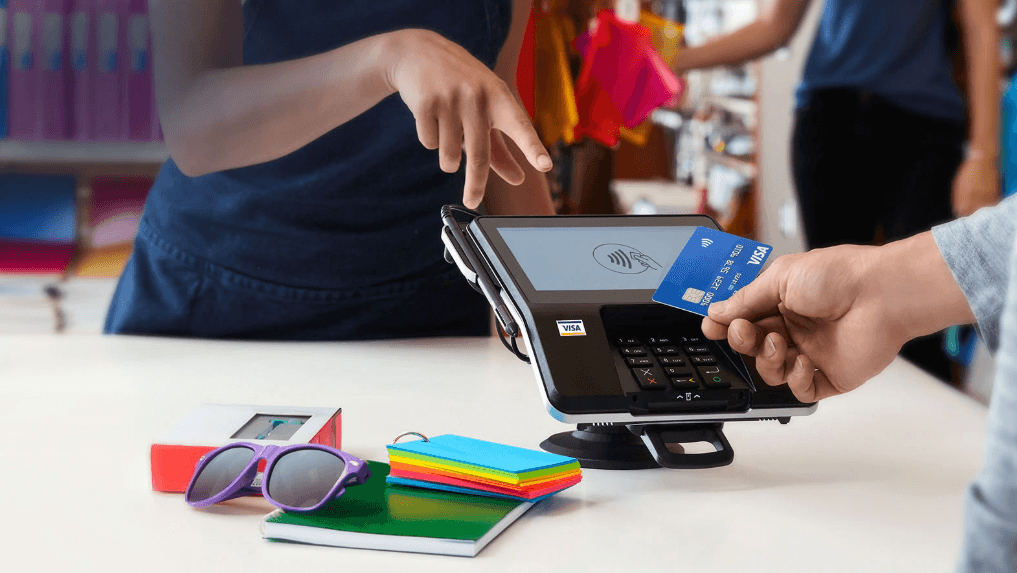
Today, credit cards play an important role in our daily lives. We can carry out almost all of our transactions without carrying cash, using our credit card instead. During a purchase, we hand our card to the cashier and enter our PIN at the POS terminal.

Diagram illustrating the EMV Tag-Length-Value (TLV) data structure used in card transactions

Online & Authorization

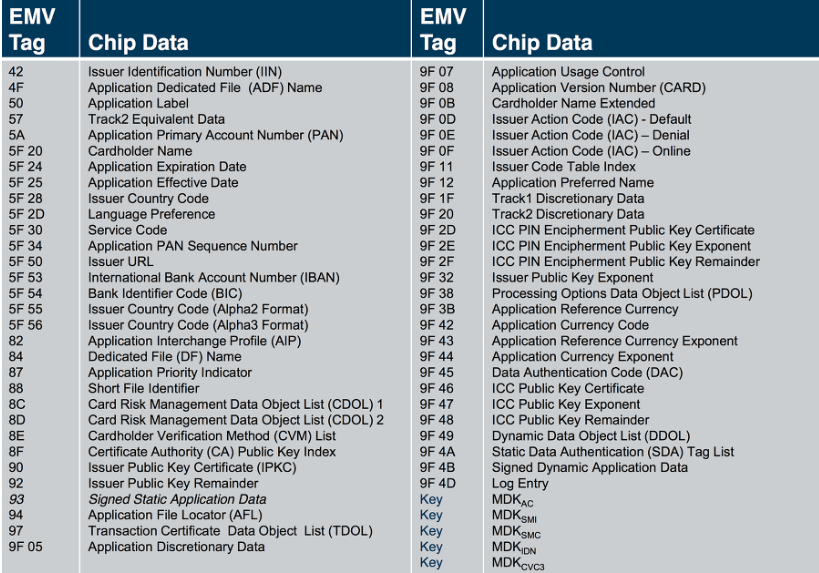
What are EMV Tags?

In EMV, data is stored in Tag-Length-Value (TLV) format, and it is carried between the card, the POS terminal, and the authorization system in this same format. This post lists every EMV Tag, its type, and its description.

TreeCard wooden bank card made from sustainably sourced cherry wood

Credit Card

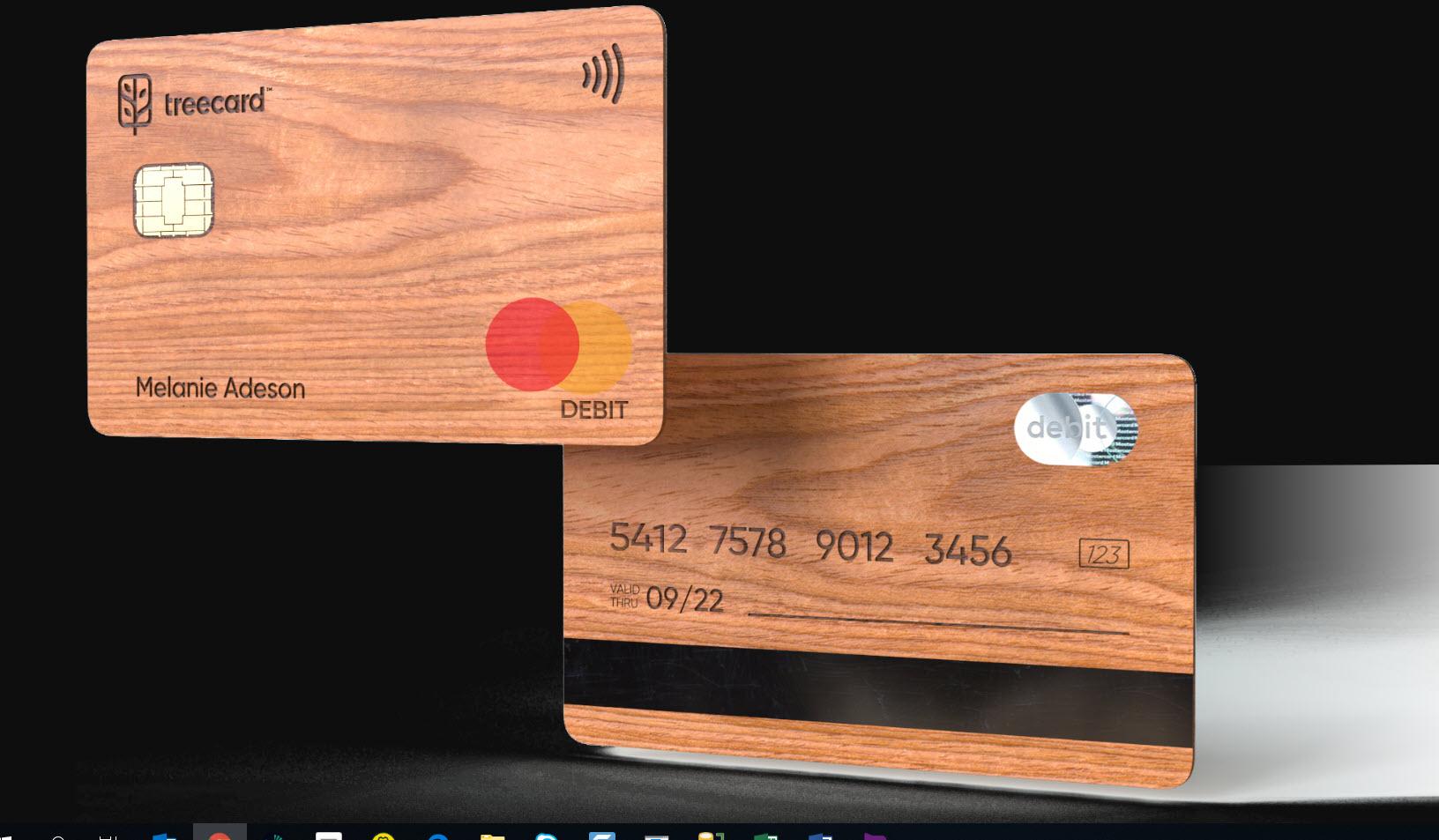
Can a card be made from wood?

While the use of physical cards and POS terminals is gradually declining, positive developments continue, such as the world's first wooden card, TreeCard, backed by the search engine Ecosia and aimed at reforesting the world.

Illustration of a card payment approved for a partial amount

Merchant & POS

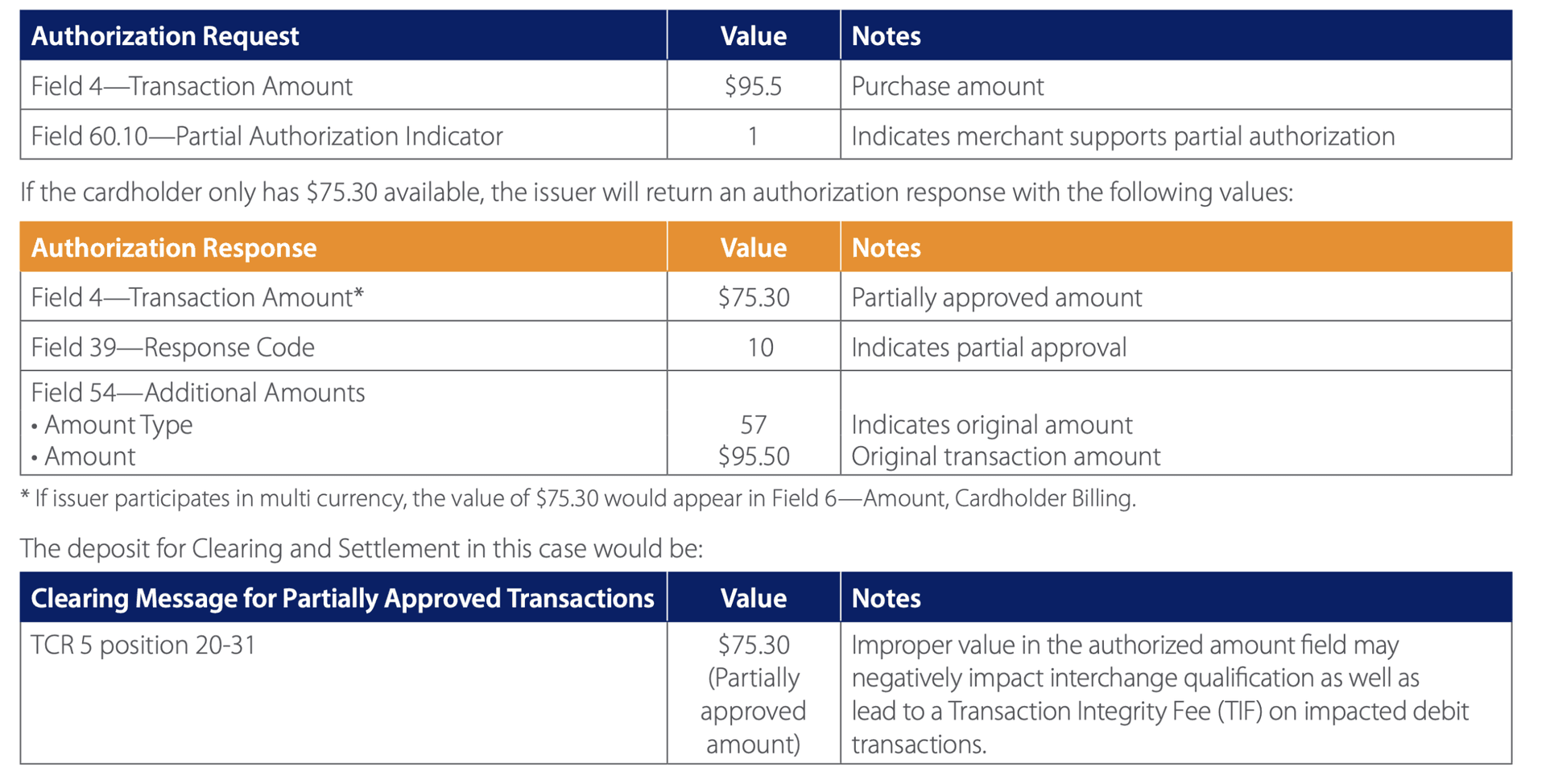
What Is Partial Authorization?

Partial Authorization lets an issuer approve part of a transaction instead of declining it when the balance or limit is insufficient. This post covers how it works in ISO 8583, whether it is mandatory, and why it matters for the business.

Diagram explaining the MCC merchant category code field in ISO 8583 messages

ISO 8583

ISO 8583 Field Descriptions (F18)

F18-MERCHANT TYPE: This is the merchant's category code (MCC) information. It must contain values from the Mastercard or Visa MCC Code list. It is a 4-digit numeric value. For ATM transactions, MCC code 6011 should be sent. The role of MCC in authorization...

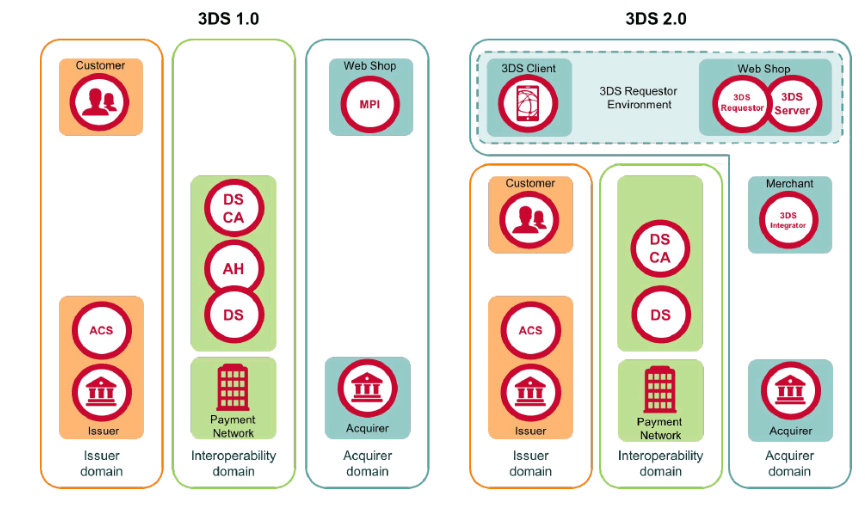
Architecture of 3DS 1.0 compared with 3DS 2.0, showing the issuer, interoperability and acquirer domains

Security

What Is 3D Secure 2.0?

Before 3D Secure 2.0, let's explain what 3D Secure is. 3D Secure is a two-layer payment authentication system that protects both the cardholder and the merchant in online payments. First released by Visa in 1999, it was later adopted by other card schemes…

Illustration of recurring payments and automatic card collection for subscription businesses

Merchant & POS

Key Points to Watch for in Recurring Payments

Winning customers is one of the most important things in business, but keeping them satisfied matters just as much. If you collect payments at regular intervals, such as monthly, these tips will help you improve the success rate of recurring collections.