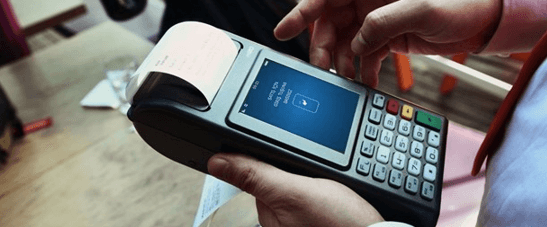
Merchant & POS
What's the Difference Between a Reversal and a Cancellation (Void)?
What's the difference between a reversal and a cancellation (void)? Both zero out a transaction's financial effect, but they're triggered in very different ways.
Search
241 articles found
Merchant & POS
What's the difference between a reversal and a cancellation (void)? Both zero out a transaction's financial effect, but they're triggered in very different ways.

ISO 8583
F23 - CARD SEQUENCE NUMBER: Information used to distinguish cards sharing the same card number. For example, the Card Sequence Number is incremented by 1 when a card is renewed. In an authorization transaction, if the F22 value is '05x'...
ISO 8583
We covered the ISO 8583 basics in an earlier article. This post explains the ISO 8583 message structure in detail: every ISO 8583 message consists of three main parts - the MTI (Message Type Indicator), the Bitmap, and the Data Elements.

Credit Card
If you can't use your card for e-commerce transactions abroad, first check that e-commerce authorization is enabled, that 3D Secure has been set up, and that your bank's authorization system is active. The issue may also originate from the merchant's bank.
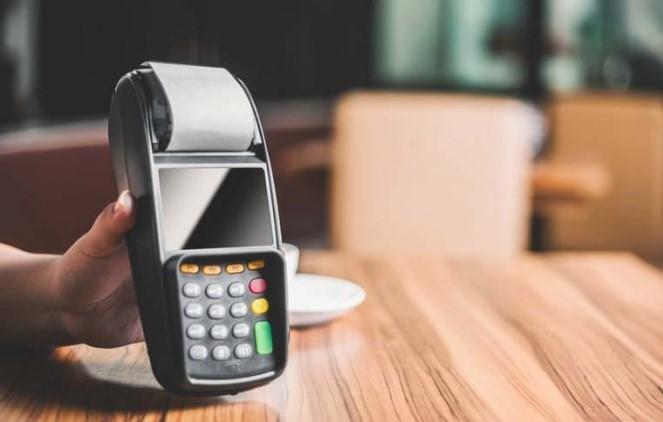
Merchant & POS
A POS is a functional device with its own dedicated software, customized to the authorization system of the bank it is connected to, that accepts credit or debit cards. The POS and the authorization system communicate using the ISO 8583 standard.
ISO 8583
DE 44 - ADDITIONAL RESPONSE DATA is used to provide other supplementary data that may be needed in authorization, as a response to the authorization message. The Card Authentication Results Code is sent in position 9, and the CAVV Result Code is sent in position 15.
Merchant & POS
Mail order is carried out by conveying credit card details to the merchant by phone or mail. A manual sale occurs when, due to a physical problem during checkout, the card details are entered into the POS device by hand instead.
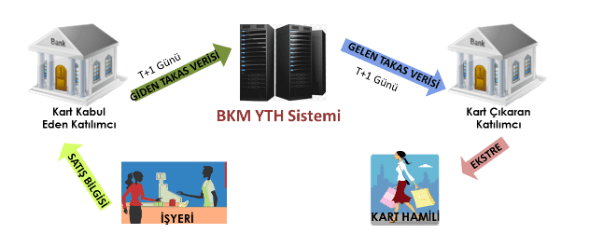
Clearing
The clearing system settles a transaction between two participants when a card from one bank is used at another bank's POS or ATM. Learn about the incoming and outgoing files used in interbank clearing.

Payment Systems
Chargeback reason codes differ by card scheme. Here is the list of Discover chargeback reason codes and their descriptions, along with how merchants can use them.
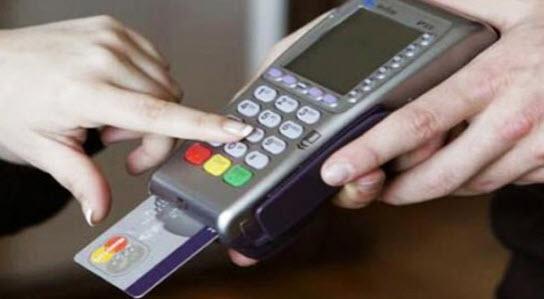
Credit Card
The Application Interchange Profile indicates the application functions supported by the card. The AIP values and their descriptions are given below. Where is the AIP found? The AIP is a 2-byte piece of data stored on the card, carried under EMV tag 82.
Credit Card
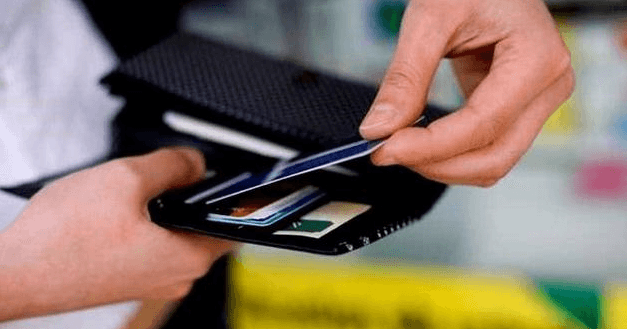
While reviewing your credit card statement, you suddenly notice a transaction you never made. What would you think? Is your card going shopping while you sleep? Let's look at how this can happen and what to do about it.
Credit Card
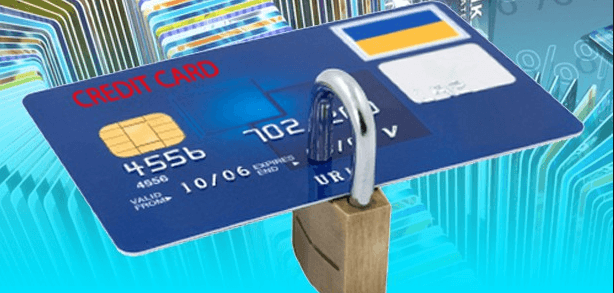
CVV is short for Card Verification Value, a term used by Visa. CVC is short for Card Verification Code, a term used by MasterCard. The CVV/CVC code is used for cardholder verification and to reduce fraud risk.