Skip to content

Search

"cardholder security"

123 articles found

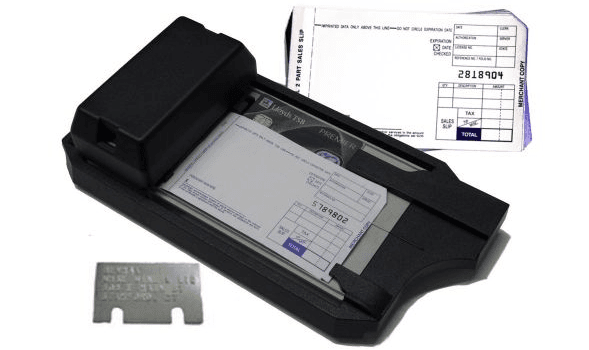
Old mechanical credit card imprinter machine used to transfer embossed card details onto a sales slip

Merchant & POS

What Is an Imprinter?

An imprinter is the name given to devices that transfer all the information embossed on a credit card onto a paper sales receipt. Before POS terminals, it was commonly used by merchants for authorization transactions.
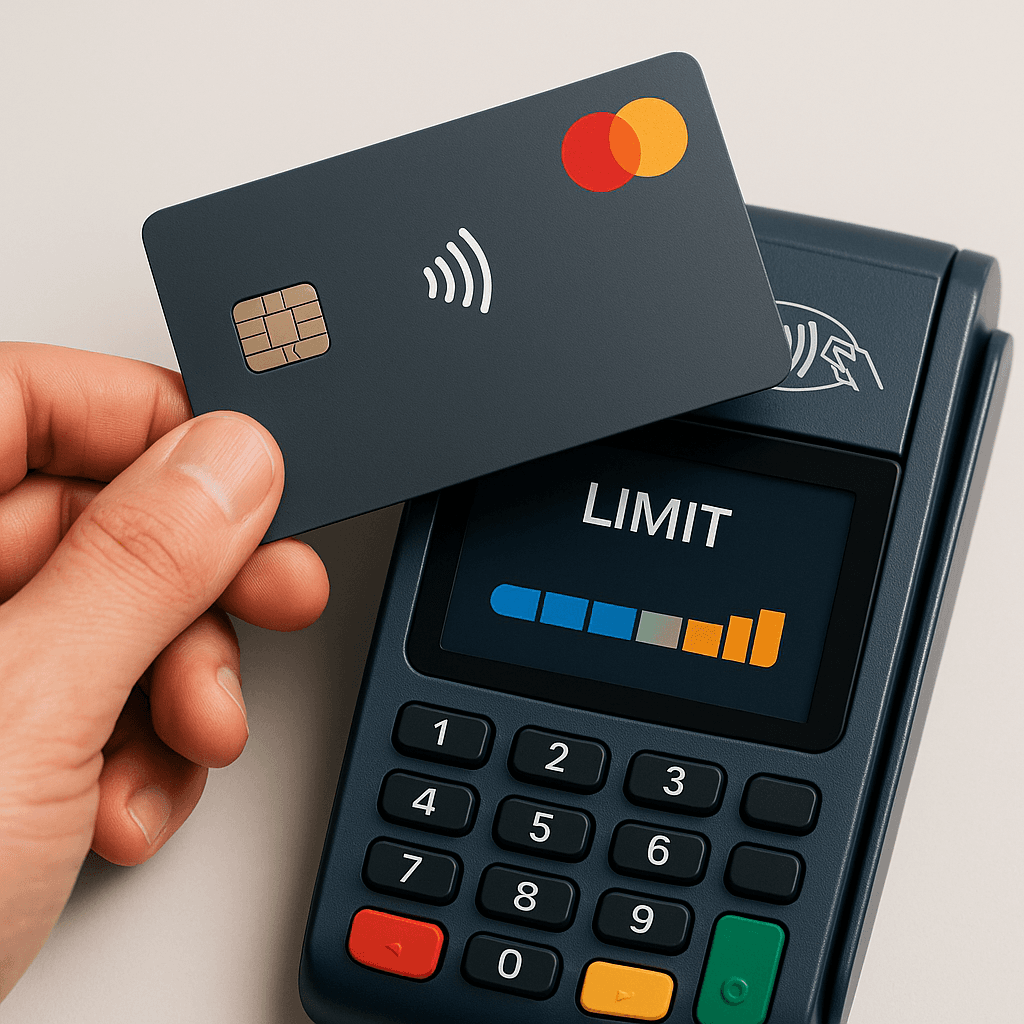
Illustration of dynamic CVM limit management for contactless card payments

Payment Systems

Dynamic CVM Limit Management Approach: A New Era in Card Security

One of the most notable recent developments in card payments is that contactless limits are no longer fixed and can be managed dynamically per customer. Mastercard and Visa are taking different but complementary approaches, and ISO 8583 may need to evolve with them.

PIN try counter on chip cards

Credit Card

What Is the PIN Try Count?

The PIN Try Count is the maximum number of failed offline PIN verifications that can be made with the card. Banks usually keep both the consecutive wrong PIN count and the maximum wrong PIN count.

Credit card statement showing an unrecognized transaction

Credit Card

Is Your Card Making Purchases Without Your Knowledge?

While reviewing your credit card statement, you suddenly notice a transaction you never made. What would you think? Is your card going shopping while you sleep? Let's look at how this can happen and what to do about it.

Payment card being checked against a card recovery bulletin of problem cards

Merchant & POS

What Is a Card Recovery Bulletin (Card Protection Bulletin)?

A Card Recovery Bulletin is a list of problem cards (lost, stolen, expired, over-limit, counterfeit or otherwise flagged) published by card schemes such as Visa or MasterCard. It shows whether a card number is listed on the date of purchase.

Table of Visa and Mastercard fraud codes and descriptions

Security

What Are the Visa and Mastercard Fraud Codes?

Fraud means obtaining unjust gain by carrying out a transaction at a merchant or ATM using someone else's credit card or debit card, causing a loss to the real cardholder, the merchant, or the bank. So what fraud codes do Visa and Mastercard use?

Screenshot illustrating how a payment gateway connects an e-commerce site to a bank

Online & Authorization

What is a Payment Gateway?

A payment gateway is the high-security connection banks provide for purchases made with a credit or debit card. Learn how it is set up and why it protects cardholder data.

Comparison chart showing the differences between CVV and CVV2 security codes

Credit Card

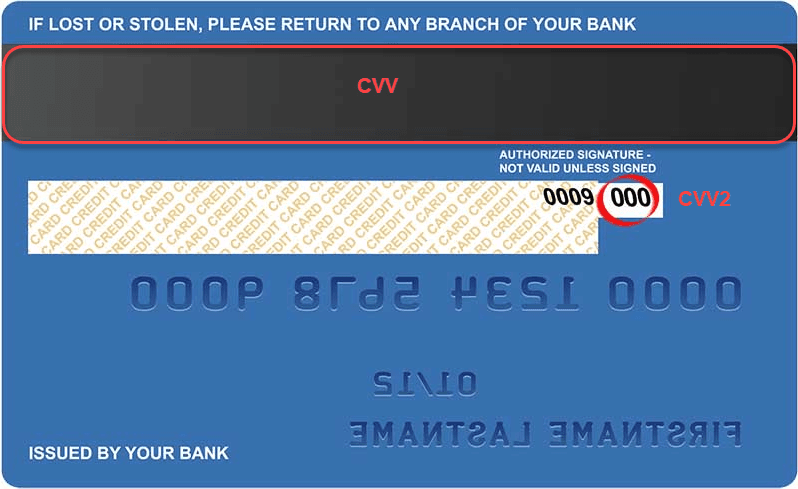
What Is the Difference Between CVV and CVV2?

CVV (CVC) and CVV2 (CVC2) are two terms that cardholders often confuse. Both are used for verification in card transactions, but there are notable differences between them, such as where each is printed and which transactions use it.

Diagram explaining 3D Secure, Half 3D, and Non 3D e-commerce transaction levels

Merchant & POS

What is an E-commerce Transaction?

E-Commerce can briefly be described as the sale and purchase of products over the internet, a term used since 1969. Virtual POS operates behind e-commerce transactions, which take place at different levels: Non 3D, Half 3D, and Full 3D Secure.

Diagram showing 3D Secure, Half 3D Secure, and Non-3D Secure transaction flows based on VERes and PARes response codes

Payment Systems

What is a Half 3D Secure transaction?

A Half 3D Secure transaction is, in short, the term used when the merchant supports 3D Secure but the card does not. Can such transactions occur as 3D Secure/Half Secure when the merchant does not support 3D Secure? A transaction started without the 3D process is treated as Non-Secure.

Diagram illustrating the PIN Change/Unblock command process

EMV

What Is Pin Change/Unblock?

The Pin Change/Unblock command is used after card issuance to let the issuer remove a card's PIN block, or instantly change the reference PIN and remove its block, as well.