Skip to content

Search

"cardholder security"

123 articles found

Comparison of CVV security code locations on a standard card and an American Express card

Credit Card

Is the CVV/CVC Code Always 3 Digits?

First, let's briefly explain CVV/CVC. CVV stands for Card Verification Value, a term used for Visa. CVC stands for Card Verification Code, a term used for MasterCard. The CVV/CVC code is used for cardholder verification and to reduce fraud risk.

Diagram of an external quarterly network vulnerability scan for PCI DSS compliance

Security

What Is a Quarterly Network Scan?

An external network scan run every 3 months by an Approved Scanning Vendor authorized by card schemes such as MasterCard and Visa, required for PCI DSS compliance. It checks whether merchant systems are protected against external threats.

Diagram explaining PVKI and PVV calculation in card PIN verification

Credit Card

What Is PVKI (PIN Verification Key Index)?

PVKI is the abbreviation for PIN Verification Key Index. It is located within the card's Track 1 and Track 2 data and is used in PVV calculation. It can take values from 1 to 6, usually defaulting to 1.

Numberless bank card design concept with no printed digits

Credit Card

Did Someone Say a Numberless Card?

When we think of a credit card, we picture one printed with the Card Number, Cardholder Name, Expiration Date, and CVV2 information. But what if we told you there is a card with no numbers on it at all? It may sound strange at first, but...

POS terminal processing an EMV chip card transaction

Credit Card

Application Interchange Profile (AIP)

The Application Interchange Profile indicates the application functions supported by the card. The AIP values and their descriptions are given below. Where is the AIP found? The AIP is a 2-byte piece of data stored on the card, carried under EMV tag 82.

Photo illustrating the use of a prepaid card

Credit Card

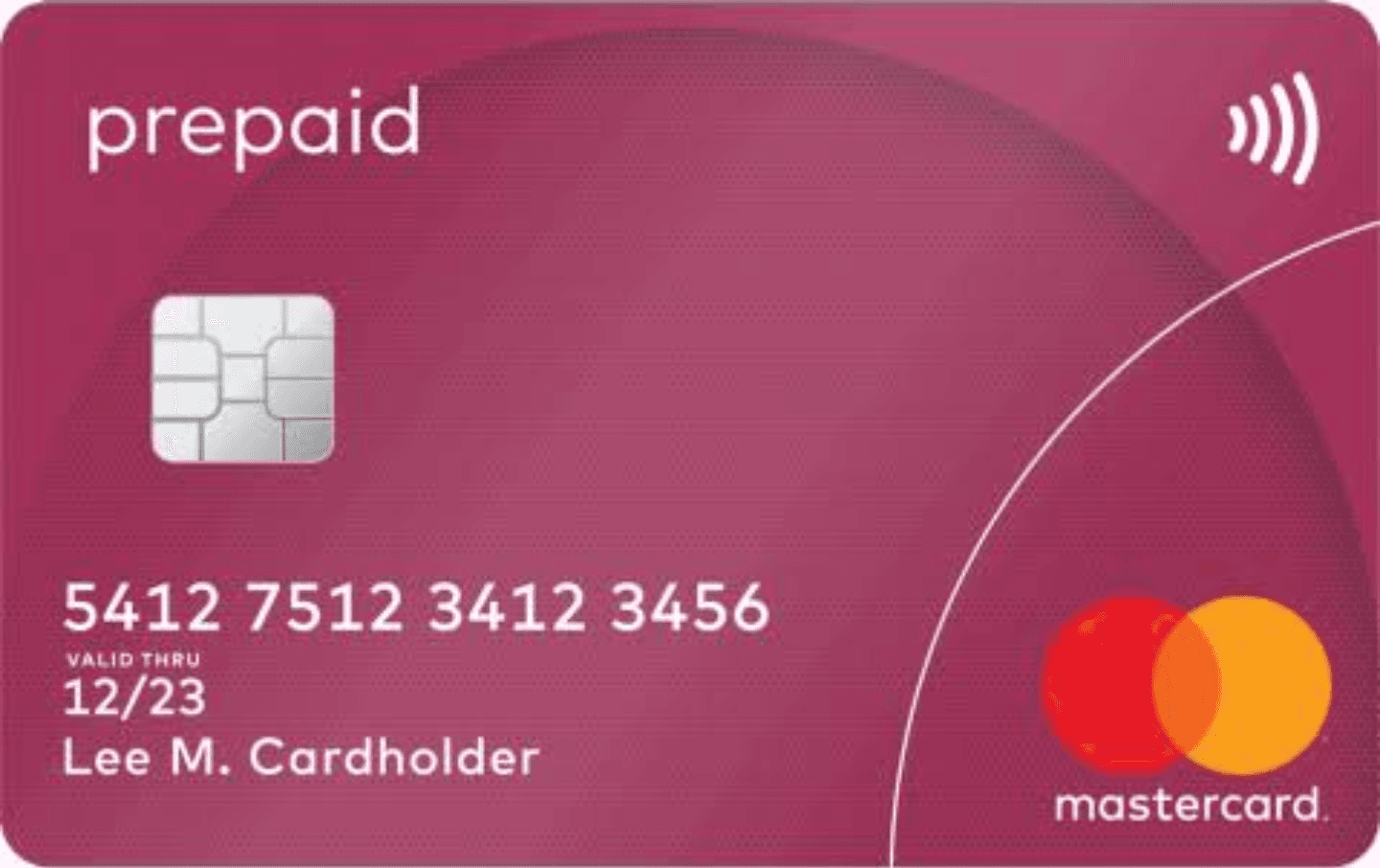
Is a Prepaid Card a Credit Card or a Debit Card?

A prepaid card may look like a debit card since it has no predetermined limit and purchases are limited to the amount loaded by the cardholder, but in terms of use and operating logic it differs significantly from both credit and debit cards.

Diagram illustrating the SPoC solution architecture for secure PIN entry on a COTS device

Security

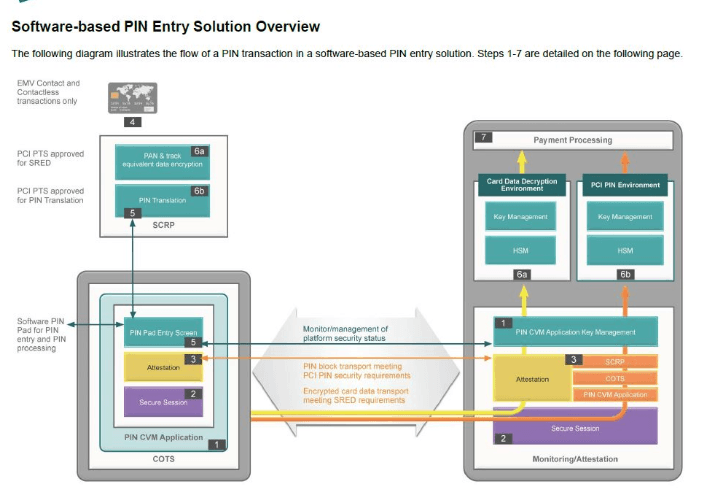
What is Software-based PIN Entry on COTS (SPoC)?

Published by the PCI SSC, Software-based PIN Entry on COTS (SPoC) is a standard that provides a software-based approach for protecting PIN entry on commercial off-the-shelf devices such as smartphones and tablets.

Diagram comparing the digitization and tokenization processes in mobile payments

HCE

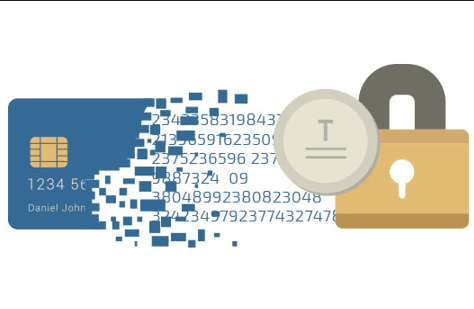
Comparing Digitization and Tokenization

Tokenization and digitization are two important terms in mobile payments that are easily confused and often used interchangeably. What is the difference between digitization and tokenization?

Diagram illustrating the tokenization and detokenization process for card payments

HCE

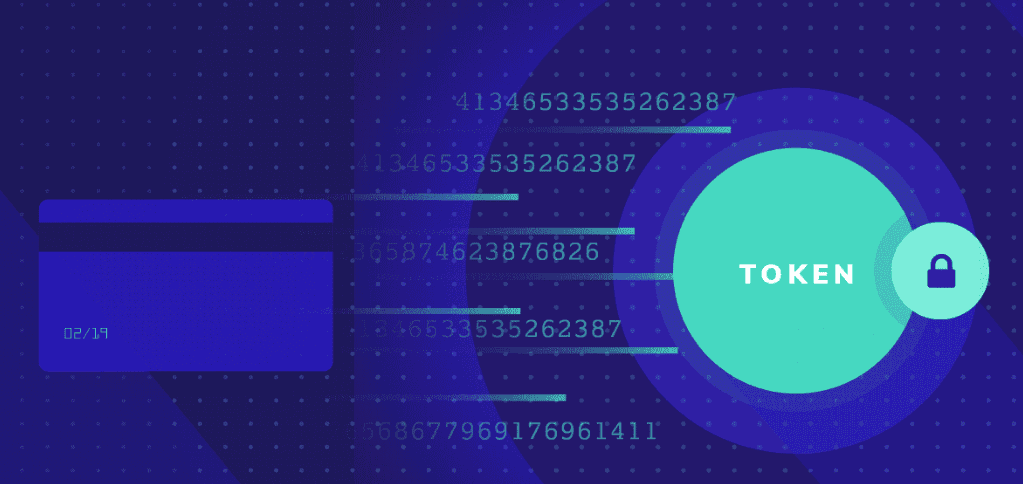
What Are Tokenization and Detokenization?

Tokenization generates secure data from a credit card number, using specific algorithms, for use during authorization. In CNP transactions, it removes the risk of storing or compromising the original card number.

Diagram of the ISO 8583 field F45 Track 1 data structure

ISO 8583

ISO 8583 Field Descriptions (F45)

F45 (TRACK-1 DAT) carries the Track 1 data of the card in ISO 7813 format, including field separators and start and end sentinels but excluding the LRC character. It is 76 characters long.

Diagram illustrating the appeal stage of the card dispute and chargeback process between issuer, acquirer and card scheme

Payment Systems

What Is an Appeal? What Does It Mean in Payment Systems?

In payment systems, an “appeal” is the process of objecting to the outcome of a transaction dispute. It is usually discussed alongside chargebacks, but it plays a critical role in interbank dispute resolution, when a party asks the card scheme to re-evaluate a concluded decision.