Skip to content

Search

"merchant bank"

244 articles found

Diagram illustrating the structure of an ISO 8583 message field

ISO 8583

ISO 8583 Field Descriptions (F41)

F41 - CARD ACCEPTOR TERMINAL IDENTIFICATION: the terminal where a transaction took place. An 8-character alphanumeric value generated by the acquirer bank and assigned to the POS, managed as a unique terminal number at the acquirer.
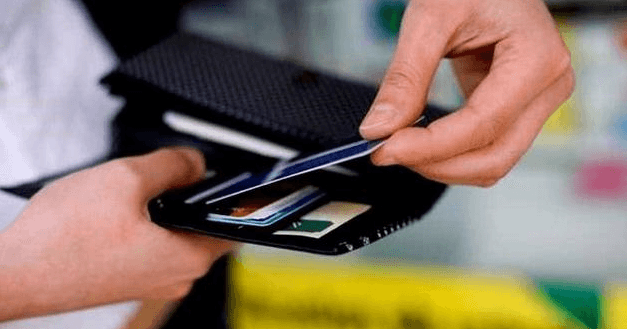
Sample credit voucher (refund) document

Merchant & POS

What is a Credit Voucher (Refund Document)?

A Credit Voucher (Refund Document) is a document issued by the merchant for the refund or cancellation of a good or service that a cardholder purchased using a credit card, or to correct an overcharge made by mistake.

Example of RRN printed on a POS receipt used to trace ISO 8583 transactions

ISO 8583

ISO 8583 Field Descriptions (F37)

F37 - RETRIEVAL REFERENCE NUMBER: a 12-digit alphanumeric value generated by the Acquirer that initiates the transaction. It must be printed on the POS receipt or ATM slip. RRN is the reference number that allows a transaction to be located.

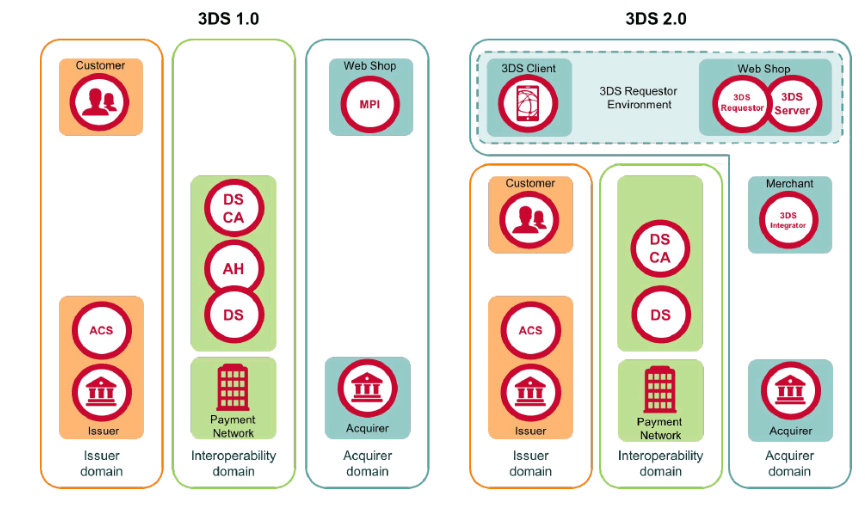
Architecture of 3DS 1.0 compared with 3DS 2.0, showing the issuer, interoperability and acquirer domains

Security

What Is 3D Secure 2.0?

Before 3D Secure 2.0, let's explain what 3D Secure is. 3D Secure is a two-layer payment authentication system that protects both the cardholder and the merchant in online payments. First released by Visa in 1999, it was later adopted by other card schemes…

Table of merchant sectors where offline transactions are restricted

Merchant & POS

In Which Sectors Can Offline Transactions Not Be Performed?

An offline transaction is one approved by the card and the POS themselves, without going to any system (the card's bank or the POS's bank), when a chip card transaction is made at a POS. For this reason, some sectors considered risky are restricted.

European Payments Initiative (EPI) overview graphic

Payment System Institutions

What is EPI (European Payments Initiative)?

The European Payments Initiative (EPI), formerly known as PEPSI, is an ECB-backed payment integration initiative aiming to build a pan-European payment system and interbank network to rival Mastercard and Visa. Its founding members include BBVA, BNP Paribas, CaixaBank, Commerzbank and others.

Illustration representing a POS batch deletion

Payment Systems

What is Batch Delete? What Are the Important Points?

In POS applications and on the merchant side, we use the term Batch in a similar way to end of day. Every transaction made via POS is held under a batch number reported to the HOST at end of day.

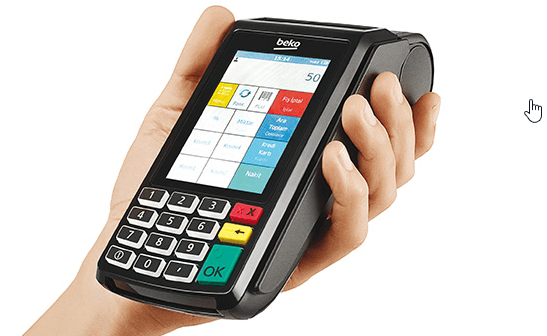
Illustration representing PIN Transaction Security (PTS) certified payment devices

Merchant & POS

What is PIN Transaction Security (PTS)?

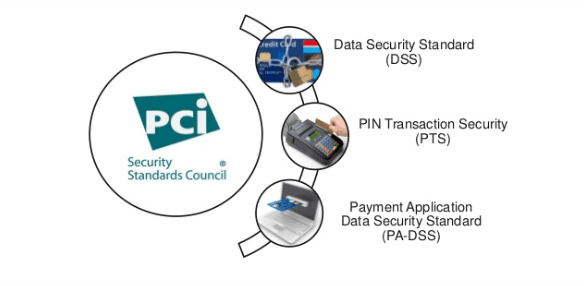
PIN Transaction Security (PTS) verifies that card data and PIN information are used for a payment transaction. It is a set of modular evaluation requirements managed by the PCI Security Standards Council for PIN-accepting terminals.

ISO 8583 field 19 acquiring institution country code

ISO 8583

ISO 8583 Field Descriptions (F19)

F19 — Acquiring Institution Country Code: the country to which the location of the acquiring bank's device (ATM, POS, etc.) belongs.

Table of Documentation Indicator codes used in second presentment and reversal presentment clearing messages

Clearing

What Is the Documentation Indicator?

The Documentation Indicator is a code carried in the F60 (Additional Data) DE05 field of clearing transactions. Used in second presentment and reversal presentment transactions, it shows whether the supporting document has been sent. This post lists the values and their meanings.

Diagram illustrating how a POS terminal's floor limit determines offline transaction approval

Merchant & POS

What Is a Floor Limit?

The floor limit is the value held on the POS that determines the maximum amount for which an offline transaction can be approved. It is managed per terminal and can be updated at any time through the POS parameter management system.