Skip to content

Search

"ATMs"

201 articles found

TR QR Code supported payment devices

Payment Systems

Which Devices Can I Pay From With the TR QR Code?

According to BKM's TR QR Code Technical Principles and Rules Guide for card payments, QR code payment structures apply to EFTPOS, shared EFTPOS, ÖKC, ATMs, payment provider apps, static QR codes and virtual POS.
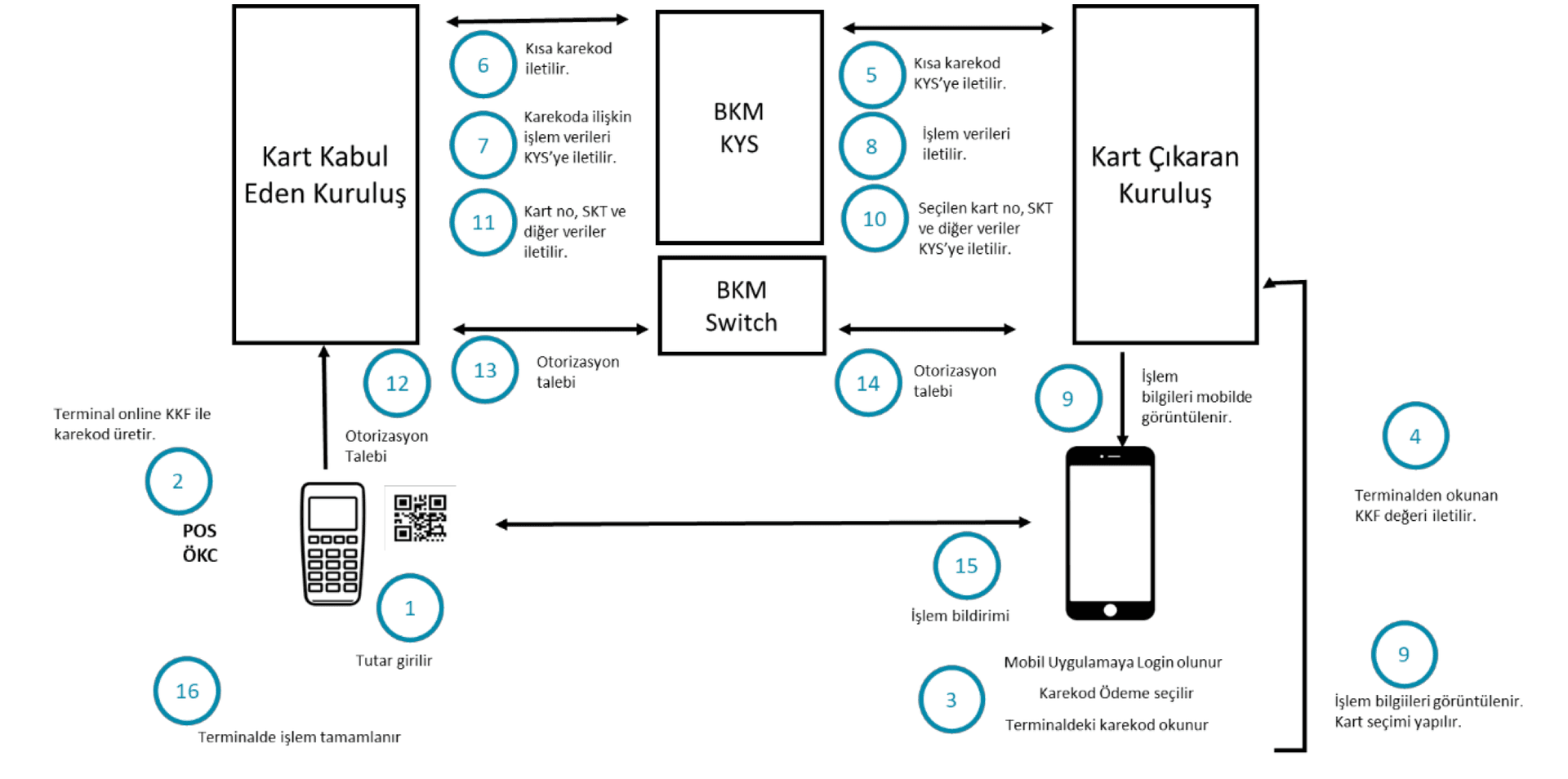

Diagram of the TR QR Code payment flow between cardholder, issuer, BKM and acquirer

Payment Systems

Why Am I Getting an Error When I Try to Pay with a TR QR Code?

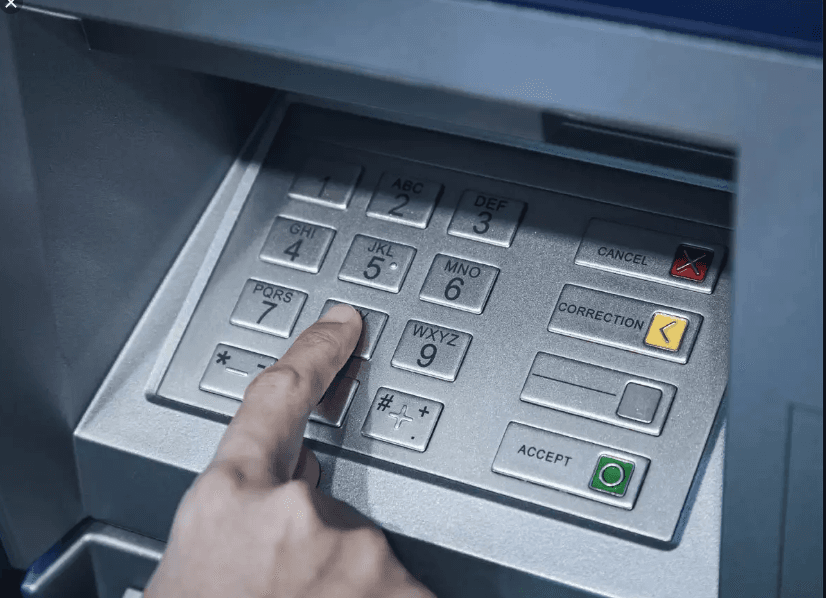
In payment or cash withdrawal transactions, the TR QR Code is generated by the POS or ATM. The card issuing bank must build its systems to read and act on this code. Errors usually stem from mishandling the long and short QR code flows, which are explained here.

Illustration representing the steps involved in launching a new payment card product

Credit Card

What Should Be Considered When Launching a New Product?

The following steps should be followed when launching a new product: decide on the brand, request a new BIN from the scheme (Mastercard, Visa, Troy), define the BIN in the bank's system, generate keys in the HSM, and roll it out after certification.

Portrait photo of a digital banking presentation slide listing the standards for digital banks

Open Banking

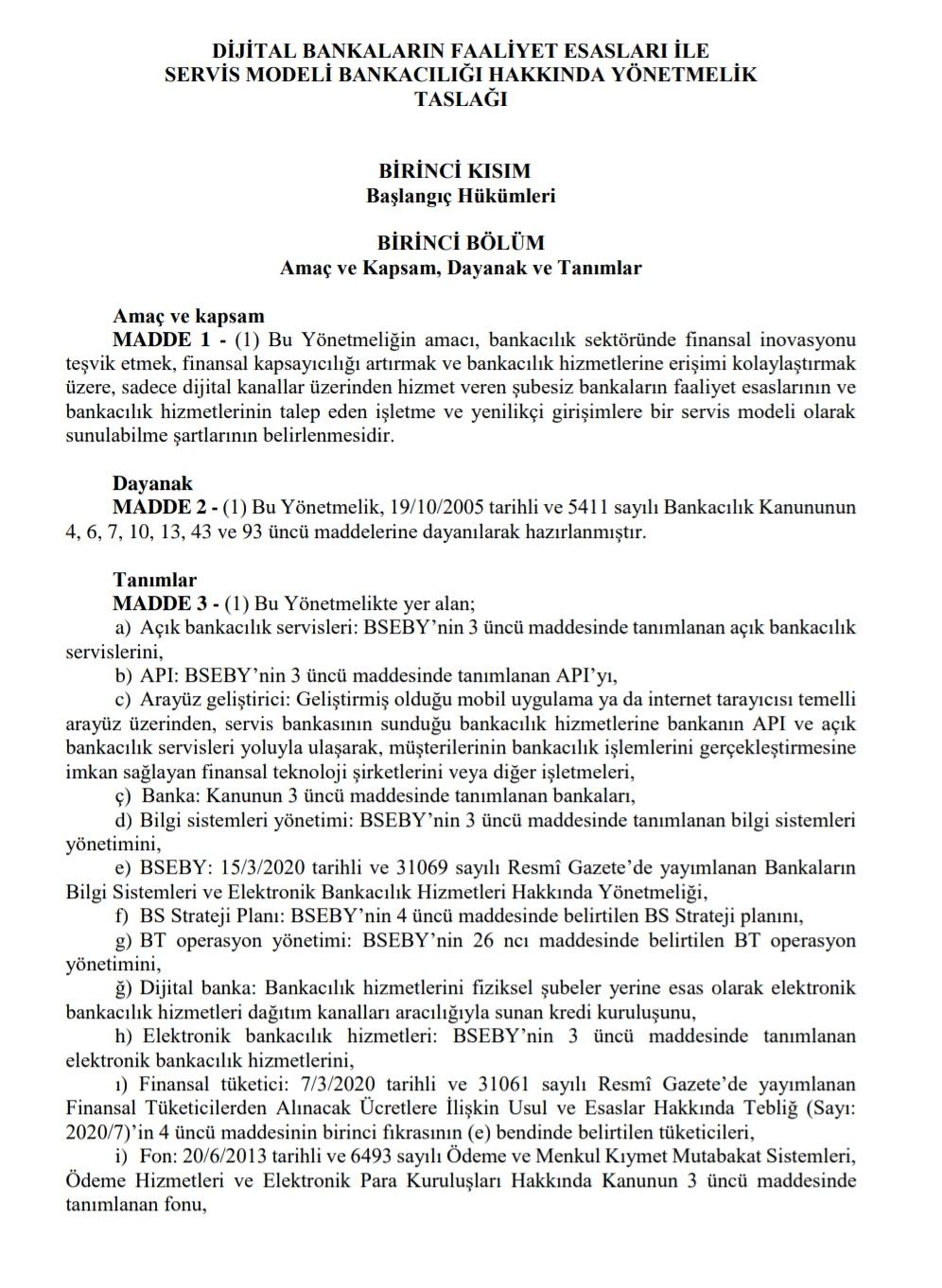
Digital Banking Standards are becoming clearer step by step

Digital banking is talked about more every day, and with the BRSA's support in defining its scope, it is about to enter our lives. A 'digital bank' is a credit institution that provides banking services mainly through electronic channels rather than physical branches.

Illustration representing the chargeback and dispute process in card payments

Chargeback

What Are the Domestic Exceptions to Chargeback Rules?

A chargeback is the refund of an amount paid by credit card to the cardholder's card when the purchased goods or services were not received, or when a transaction was not actually carried out by the cardholder.

Diagram explaining the System Trace Audit Number (STAN) field in a payment transaction

Merchant & POS

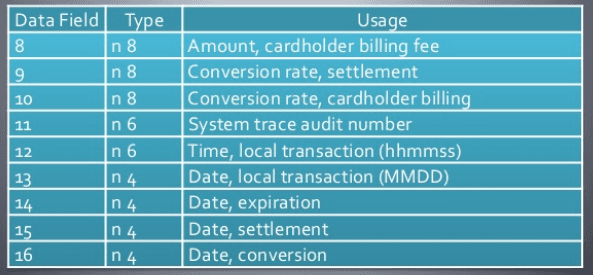
What is a System Trace Audit Number (STAN)?

The System Trace Audit Number (STAN) is a number assigned by the third-party system (ATM or POS) to help uniquely identify a transaction. It is generated in the range 000001 to 999999. Each new authorization message needs a new STAN; retries reuse the original STAN.

Diagram illustrating the ISO/IEC 7810 card dimension standards

Credit Card

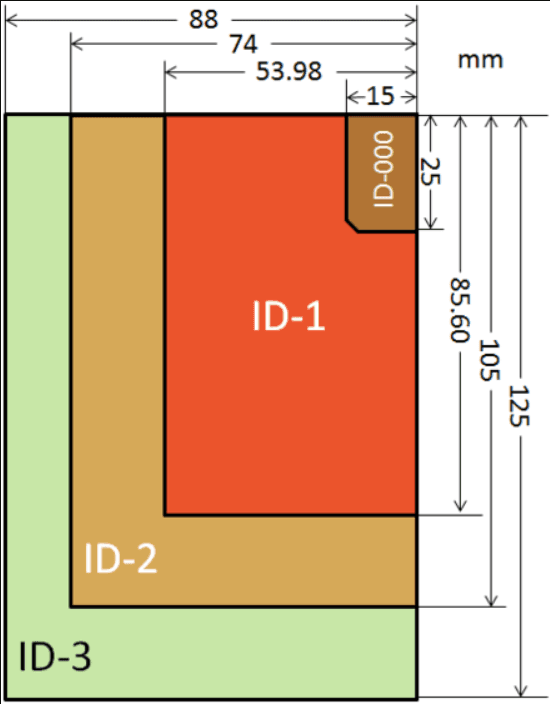
What is ISO/IEC 7810?

The ISO/IEC 7810 standard is an international standard that defines the physical characteristics of cards (credit cards, ATM cards, ID cards, etc.) such as physical dimensions, bending, flame and chemical resistance, temperature and humidity resistance, toxicity, and flammability.

Illustration showing a margin added to a foreign currency exchange rate

Merchant & POS

What Is a Marked-Up Exchange Rate?

In payment systems, exchange rate information is used in two places: POS devices that support foreign currency transactions, and credit card transactions made in a foreign currency (usually abroad).

Table of Reimbursement Attribute values used in the clearing process

Clearing

What is Reimbursement Attribute?

DE03/Reimbursement Attribute carries the Reimbursement Value of a transaction. BKM uses this information as the basis for calculating interchange fees and charges between member banks.

Table of chargeback reason codes by payment scheme

Chargeback

What Are the Chargeback Reason Codes by Payment Scheme?

A chargeback is the process of requesting that an amount paid by credit card be refunded, either because the goods or services paid for were not received, or because a transaction is identified as one the cardholder did not carry out.