Merchant & POS
What Is Card Storage?
Card storage is a system, secured with PCI DSS certification, for storing credit and debit card details safely. It saves consumers from entering their card details again and again on frequent purchases.
Search
231 articles found
Merchant & POS
Card storage is a system, secured with PCI DSS certification, for storing credit and debit card details safely. It saves consumers from entering their card details again and again on frequent purchases.

HCE
The token used in HCE transactions contains more than just a new number derived from the card number. It also includes single-use keys, an expiration date, RSA keys and certificates, transaction limits, and an Application Transaction Counter (ATC).

Payment Systems
Elon Musk was set to unveil Neuralink, a brain-computer interface. What is Neuralink, and how might payment systems change if payments, cards, ATMs and POS devices move from phones to a chip in the brain?

Credit Card
PVV is the number encoded on a card's magnetic stripe that allows the cardholder's PIN to be verified by ATMs and POS terminals. It is a 4-digit cryptogram calculated through a cryptographic operation using the PIN and card data. The real result is longer than 4 digits.
Clearing
Chip Condition Code is a code carried in the F60 (Additional Data) DE14 field during clearing that shows the chip read status. The possible values and their descriptions are listed below.
Credit Card
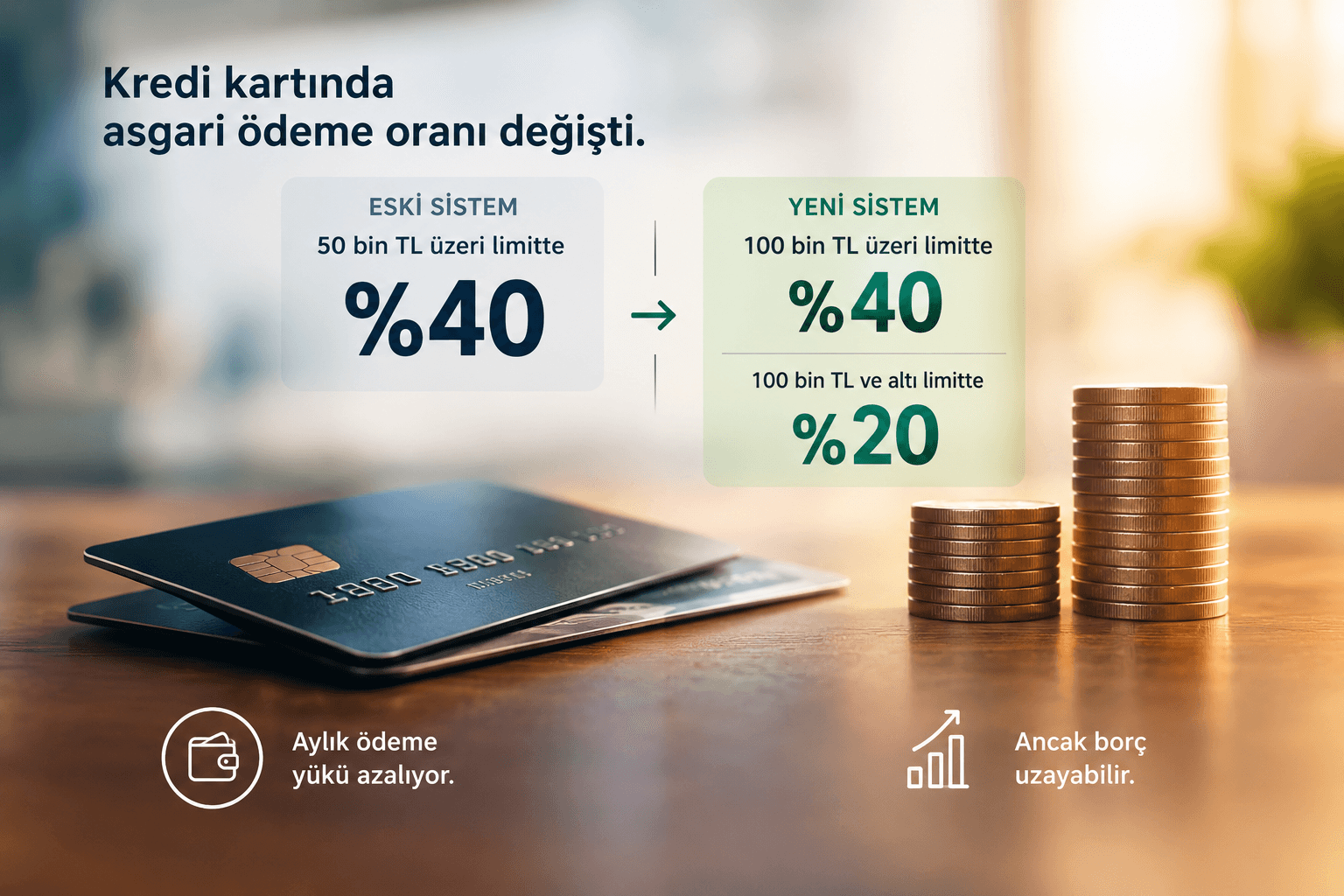
The BRSA raised the card limit threshold used to set the minimum payment rate from TRY 50,000 to TRY 100,000. This post explains what changed, why now, the short-term relief, the risk of carried-over balances, and which data to watch.
Security
It is an organization aimed at developing, managing, teaching, and raising awareness of security standards in the Card Payments Industry. The PCI Security Standards Council is also an open global forum for data security standards.
Security
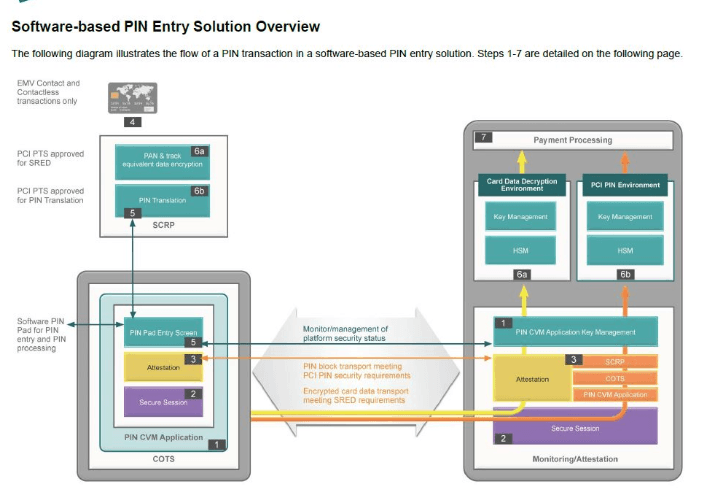
Published by the PCI SSC, Software-based PIN Entry on COTS (SPoC) is a standard that provides a software-based approach for protecting PIN entry on commercial off-the-shelf devices such as smartphones and tablets.
Security
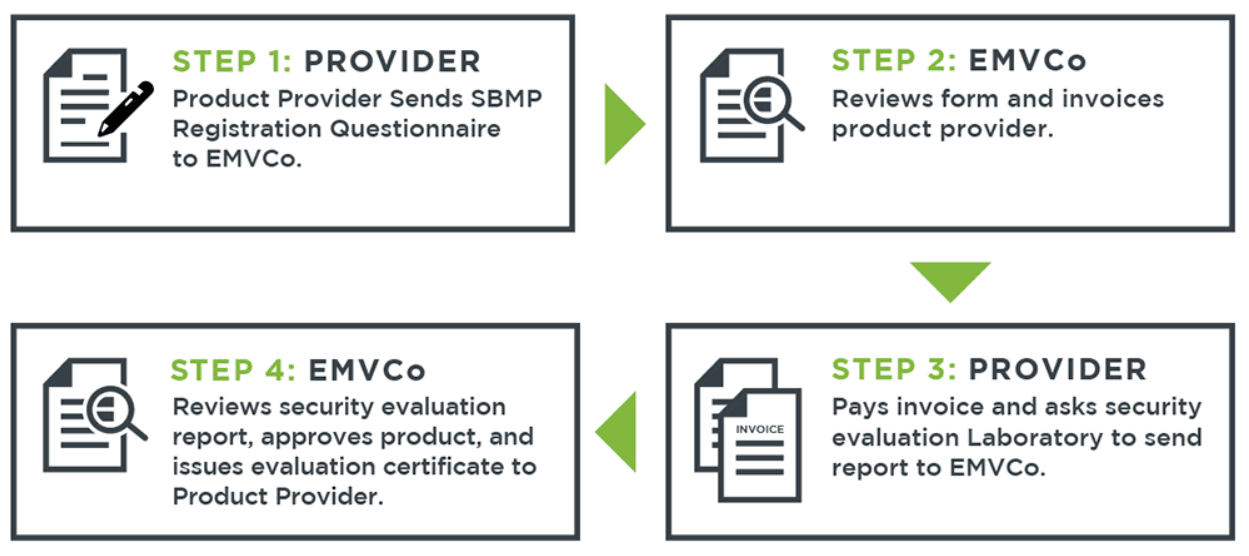
“Software-based Mobile Payment Security Requirements” is a document published by EMVCo in April 2020 to guide payment application developers in building secure payment applications. This post summarizes its purpose and who it concerns.

Security
A CP transaction refers to a card transaction in which the card and cardholder are physically present at the location. Card Present transactions occur when the card's magnetic stripe or chip data is read by a POS terminal or ATM, or via contactless.

Chargeback
A chargeback is when a cardholder asks the issuing bank to refund a transaction made without their knowledge. It cannot be prevented entirely, but simple precautions can minimize the risk. Here is how the process works and what cardholders should do.

Merchant & POS
When a chip can't be read due to a chip fault or the card being inserted incorrectly, the transaction is completed by swiping the magnetic stripe on the right side of the POS. Can chipless cards do fallback?