Skip to content

Search

"card data security"

126 articles found

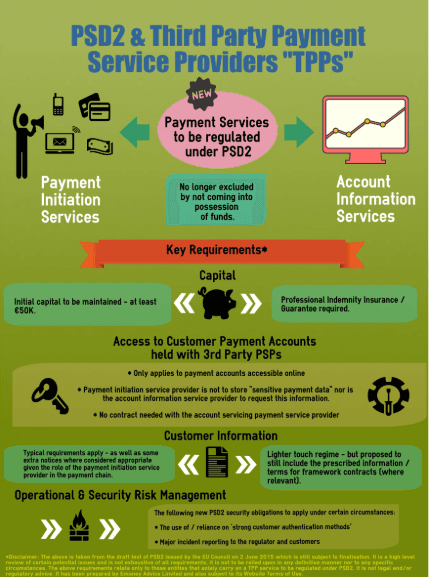
Diagram illustrating the PSD (Payment Services Directive) regulatory framework

Merchant & POS

What is PSD (Payment Services Directive)?

PSD stands for Payment Services Directive, known as the Payment Services Law. It took effect in EU countries in 2009, and in 2015 new revisions were announced as PSD1, aiming to build an efficient, fast, secure, and competitive payment market.

Smart Payment Association (SPA) logo

Payment Systems

What is SPA (Smart Payment Association)?

The Smart Payment Association (SPA) is the trade association of the smart payments industry. It provides leadership and expert guidance to help members and customers realize smart, secure and personalized payment systems and services, now and in the future.

Illustration of a closed-loop payment ecosystem growing through loyalty, data, and new services

Closed-Loop Payments

Why Do Closed-Loop Payment Systems Want to Grow? | Series #6

Why does a coffee chain build its own loyalty program, and why does a payment app keep adding services? This post looks at how loyalty, data, and new services drive the growth of closed-loop payment systems, and at the financial layers behind that growth.

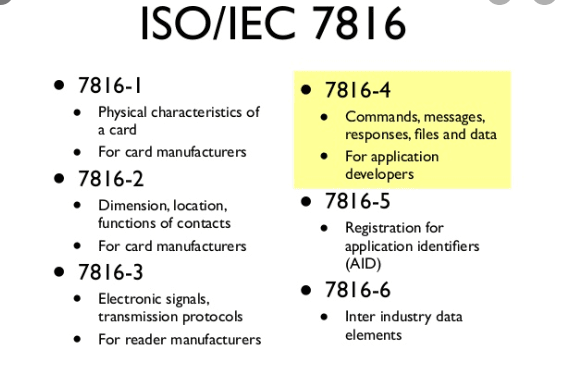
Illustration of a smart card chip related to the ISO/IEC 7816 standard

Credit Card

What is ISO/IEC 7816?

ISO/IEC 7816 is an international standard jointly maintained by ISO and IEC, covering contact-based electronic identification cards, especially smart cards. It consists of 15 different parts, each covering a different aspect of smart card technology.

ISO 8583 F124 field structure and subfield breakdown

ISO 8583

ISO 8583 Field Descriptions (F124)

F124 (Private Additional Data) contains additional information specific to the transaction, such as Card Update Failure Code and Status, cardholder name in money transfers, and keys in network management messages.

Diagram of PIN Encryption Key (PEK) structure

HSM & Security

What is PEK (Pin Encryption Key)?

PEK is the abbreviation for Pin Encryption Key. The role of PEK is to encrypt PINs. There are two types of PEK: TPK (Terminal Pin Key) and ZWK (Zone Working Key).

Zone Working Key PIN encryption between banks

HSM & Security

What Is ZWK (Zone Working Key)?

ZWK stands for Zone Working Key. It encrypts the PIN so that it can travel securely between different financial institutions, such as the acquiring bank and the issuing bank.

Illustration of customer-based contactless card limit management

Payment Systems

Can a Card's Contactless Limit Be Managed on a Per-Customer Basis?

Contactless payment has greatly improved the user experience, yet its fixed transaction limit is a common complaint. Can this limit be managed dynamically per customer? This post covers the current situation, technical and regulatory requirements and the outlook.

Online shopping and e-commerce payment on a laptop with a bank card

Payment Institutions & E-Money

What are the advantages of working with a payment institution?

Online shopping keeps growing, and e-commerce sites must choose between working with a bank or a payment institution. This article explains why a single application and integration with a payment institution can be the better route.

Diagram illustrating the Card Verification Key (CVK) concept

Credit Card

What is CVK (Card Verification Key)?

CVK (Card Verification Key) is the key information used to generate and verify CVV/CVC values, confirming their validity. It is kept as a pair of keys, CVK A and CVK B, encrypted under TMK, ZMK or LMK.