Skip to content

Search

"contactless"

116 articles found

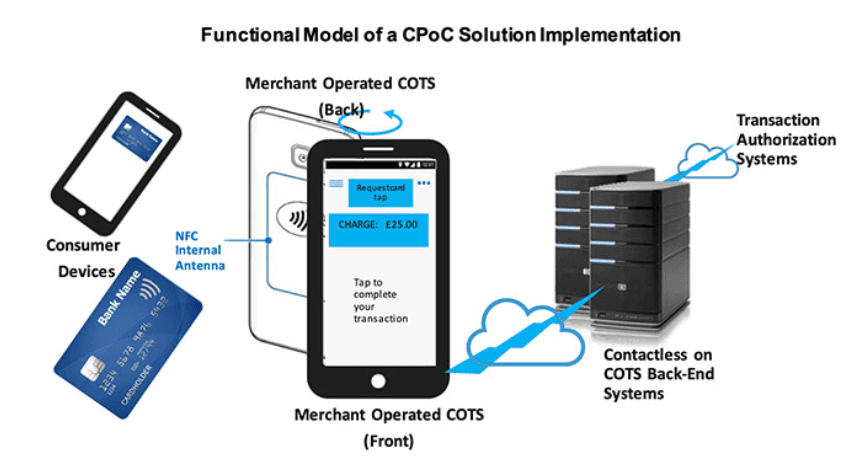
Smartphone and Android POS device used as commercial off-the-shelf (COTS) devices for accepting payments

Online & Authorization

What are Commercial Off-the-Shelf Devices (COTS)?

Commercial off-the-shelf (COTS) products and services are ready-made, packaged solutions adapted to a purchasing organization's needs, rather than custom-built ones. In payment systems, COTS includes ready-made payment apps for phones and Android POS devices.

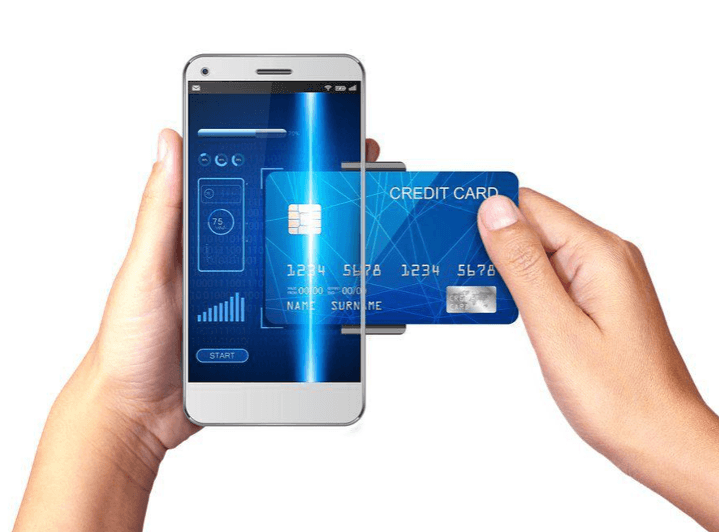
Illustration representing digital payment methods such as cards and mobile wallets

Merchant & POS

What is Digital Payment?

Payments made over the internet are called digital payments. Card payments, cryptocurrency, and online banking transfers all fall within the scope of digital payment, along with mobile wallets and QR code payments.

Illustration depicting digital POS payment terminals

Merchant & POS

What is Digital POS?

The digital form of Point of Sale (POS) systems is called Digital POS. There is also a software-only subtype called Virtual POS. After Mobile POS (mPOS) and Virtual POS usage became widespread, the term digital POS came to refer to these two products.

Illustration of an ATM skimming device attached to a card reader

Credit Card

What Is Anti-Skimming?

ATM skimming is a high-tech crime in which illegal devices are used to electronically steal or copy cardholders' personal financial information from a card's magnetic stripe.

Illustration of a card present transaction being processed at a POS terminal

Security

What is a CP (Card Present) Transaction?

A CP transaction refers to a card transaction in which the card and cardholder are physically present at the location. Card Present transactions occur when the card's magnetic stripe or chip data is read by a POS terminal or ATM, or via contactless.

Diagram of chip card file structure showing MF, DF, and EF layers

EMV

What is Dedicated File Name (DFN)?

DFN is the abbreviation for Dedicated File Name. It defines the name of the DF (Dedicated File) as described in ISO/IEC 7816-4. It is the data found in Tag 84, 5 to 16 characters in length.

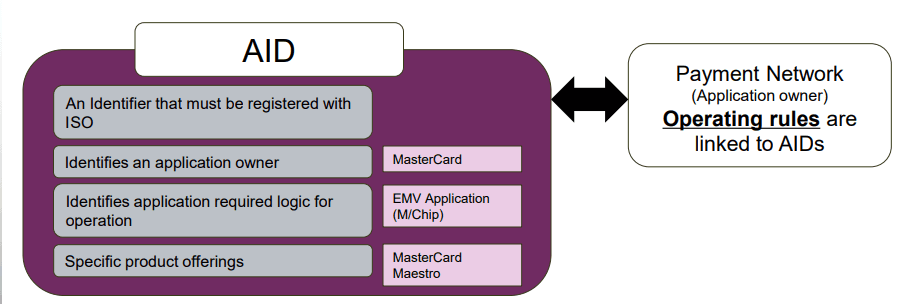
Illustration showing how an Application Identifier (AID) is used in a chip card transaction

EMV

What is an Application Identifier (AID)?

The AID tells the terminal which applications are present on a chip during a POS or ATM transaction. What does the AID do? It lets the terminal determine whether it supports an application on the chip. In Tag 9F06, it is 5-16 digits long.

Diagram of ISO/IEC card standards defining credit card dimensions and layout

Credit Card

Standards that define credit card design and operation

When payment systems come to mind, credit cards are usually the first thing people think of. Credit cards are produced according to specific standards, both in visual design and during printing. These standards belong to the ISO/IEC 781X family.

Starling Bank vertical credit card design

Credit Card

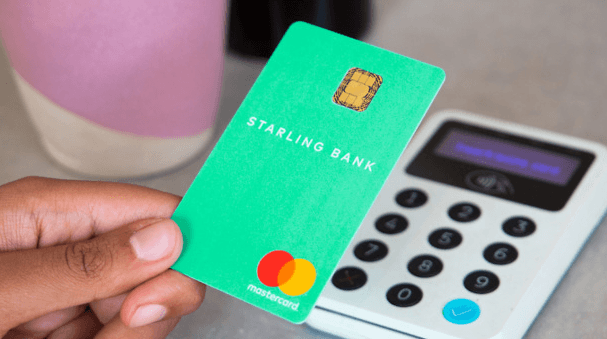
Vertical Revolution in Credit Cards

The payment card industry is arguably the sector most affected by technology and the quickest to adapt new developments. With mobile devices, payment systems have changed a lot - we now prefer using our credit cards virtually rather than physically.

Diagram illustrating the properties and lifecycle of a tokenized card number as it moves through the payment network

HCE

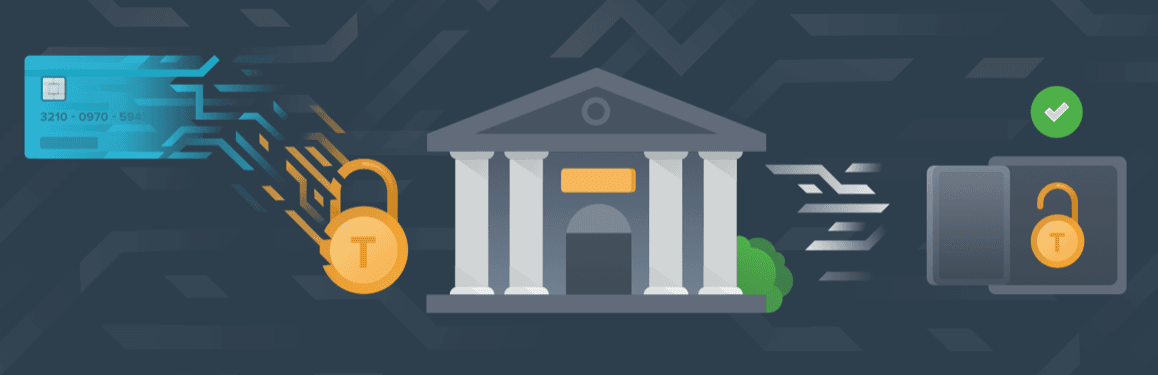
What Are the Characteristics of a Tokenized Card Number?

A tokenized card number replaces a physical card number so transactions can be carried out securely. It is generated by the TSP (Token Service Provider), used by the cardholder or merchant, and travels across the payment systems network.

Smartphone being used as a mobile POS device for a card payment

Merchant & POS

Mobile Phones Are Turning Into POS Devices

With advances in technology, mobile phones can now be used for many functions besides calls and internet access. One such innovation is the ability to use smartphones or tablets as POS devices.