Skip to content

Search

"ATM fraud"

40 articles found

Illustration of an ATM card trapping fraud scheme

ATM

ATM Fraud Methods: Card Trapping

ATMs generally hold your bank/credit card inside the card reader slot until the transaction is completed. Fraudsters insert foreign objects such as paper or adhesive-coated cards into the reader to trap the customer's card inside.
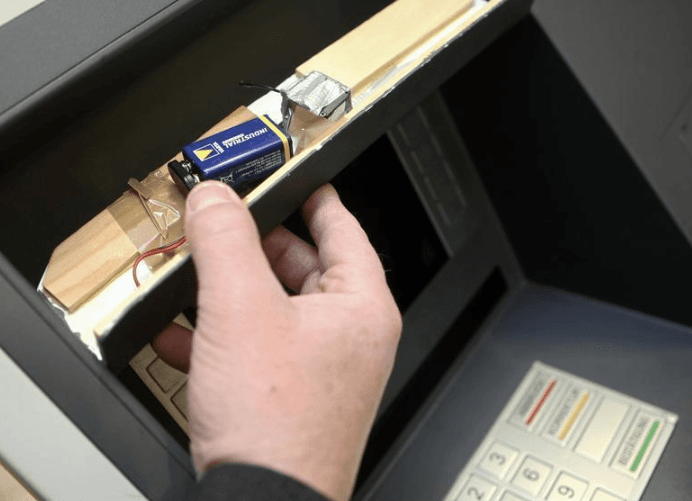
ATM cash trapping device attached to the cash dispenser slot

ATM

What is Cash Trapping?

Cash trapping is a type of ATM fraud in which criminals install a device on the ATM or interfere with its operation to trap dispensed cash, making it difficult to detect until the fraudster returns to retrieve the trapped money.

Illustration representing credit card fraud and online payment security risks

Fraud

What is Fraud? What are the Types of Fraud?

With the growth of credit and debit card usage and rising e-commerce transaction volumes, there has been a serious increase in exploiting user negligence to harm customers. Fraud means using someone else's card at a merchant or ATM to gain unjust profit.

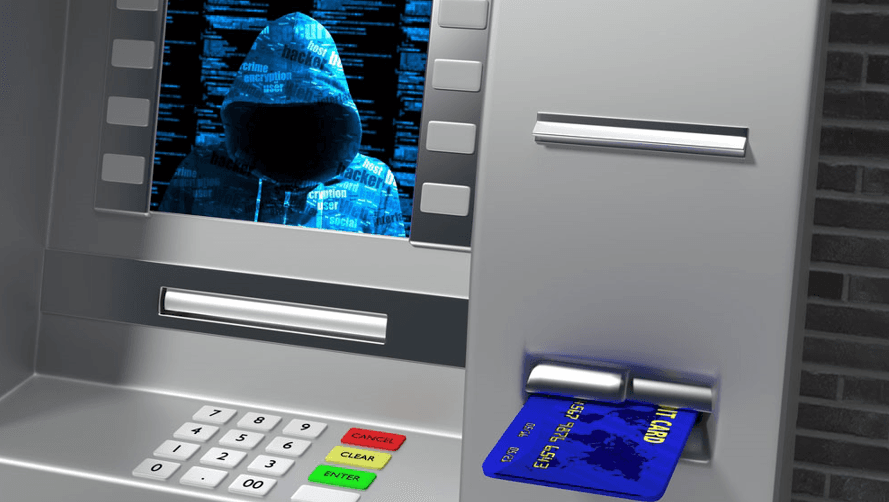
ATM machine vulnerable to hacking and fraud

ATM

Can ATMs Be Hacked?

ATMs are among the channels banks use most to serve customers. Besides being one of the most important channels, because they physically dispense cash and give access to a customer's account, many fraud cases occur at ATMs.

ATM skimming protection device illustration

ATM

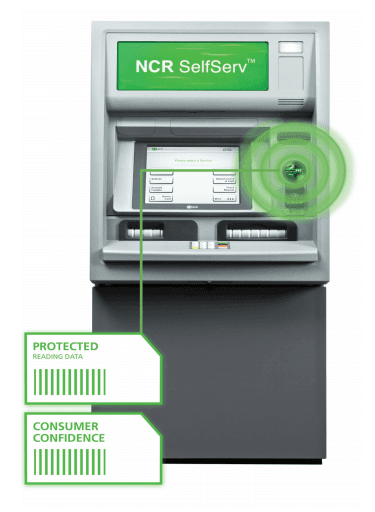
What is Skimming Protection Solution (SPS)?

The name given to the solution developed by NCR against card skimming and fraud. With SPS, the ATM network is protected from the cost and risks of skimming attacks, which cause over 2 billion dollars in global losses annually.

Illustration representing the Card Protection Plan (CPP)

Security

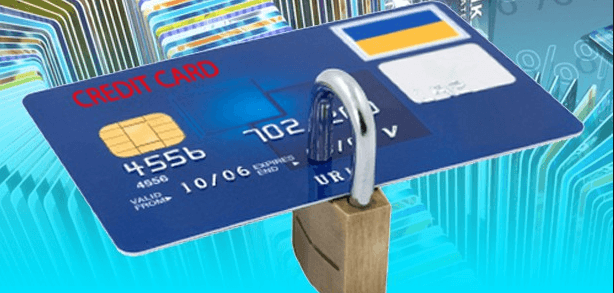
What is CPP (Card Protection Plan)?

Credit cards are one of the most important payment instruments in daily life. As technology advances and mobile payments and ATMs handle nearly all transactions, credit card fraud is also diversifying and increasing.

News clipping about the arrest of hacker Hakan Karacaoglu

Fraud

Famous Hacker Caught After 8 Years

Recently the following news story appeared in the papers. Two things stood out: the hacker was a former banker, and the device he used to clone cards. In banking fraud, insiders who know the system's weak points can build schemes customers never notice.

ATM machine targeted by jackpotting attacks

ATM

ATM Hacking Attacks Are on the Rise!

ATMs hold large amounts of cash, which keeps them in fraudsters' sights. Diebold Nixdorf and NCR report that jackpotting attacks have reached the United States. Here is what happened and what precautions can improve ATM security.

Illustration representing real-time and near real-time fraud monitoring in payment systems

Fraud

What is Online (Real Time) and Near Online (Near Real Time) Fraud?

Fraud monitoring refers to tracking card transactions through scenarios to detect potential fraud and taking rapid action immediately before or after a transaction occurs - such as identifying a suspicious transaction, calling the customer, or temporarily blocking the card to prevent authorization.

Illustration representing the advantages and disadvantages of credit cards

Credit Card

What Are the Advantages and Disadvantages of a Credit Card?

Credit cards can be a convenient way to manage income and expenses, but for those who don't know how to use them, they can become an expensive and risky product. Here are the key pros and cons to weigh before applying for one.

Illustration of a card present transaction being processed at a POS terminal

Security

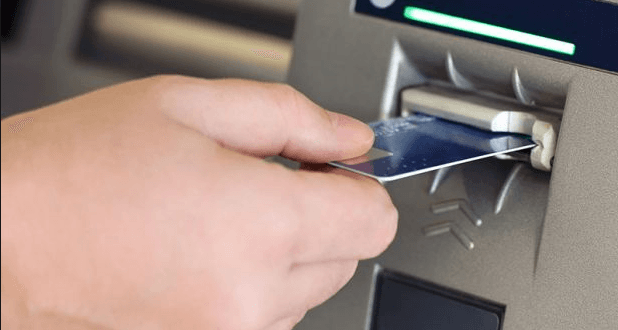
What is a CP (Card Present) Transaction?

A CP transaction refers to a card transaction in which the card and cardholder are physically present at the location. Card Present transactions occur when the card's magnetic stripe or chip data is read by a POS terminal or ATM, or via contactless.