Skip to content

Search

"European Payments Initiative"

12 articles found

European Payments Initiative (EPI) overview graphic

Payment System Institutions

What is EPI (European Payments Initiative)?

The European Payments Initiative (EPI), formerly known as PEPSI, is an ECB-backed payment integration initiative aiming to build a pan-European payment system and interbank network to rival Mastercard and Visa. Its founding members include BBVA, BNP Paribas, CaixaBank, Commerzbank and others.

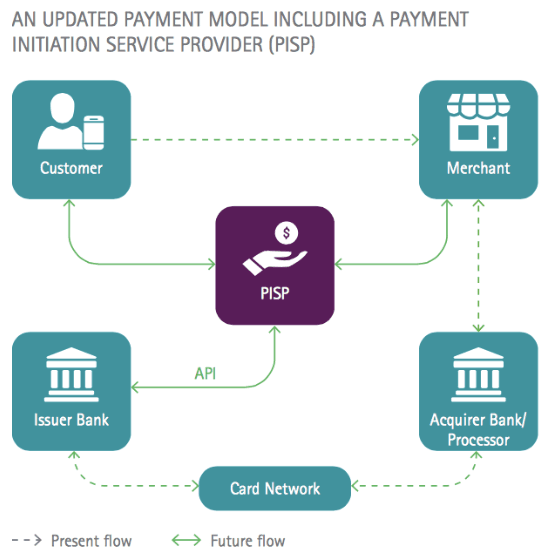
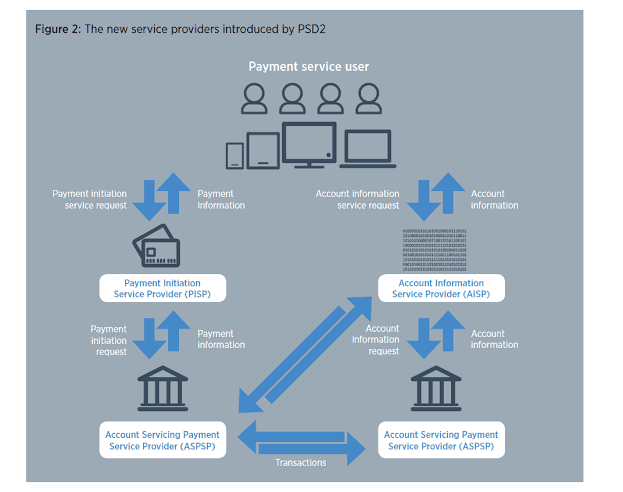
Diagram illustrating how a Payment Initiation Service Provider (PISP) connects a customer's bank account to merchants

Payment Systems

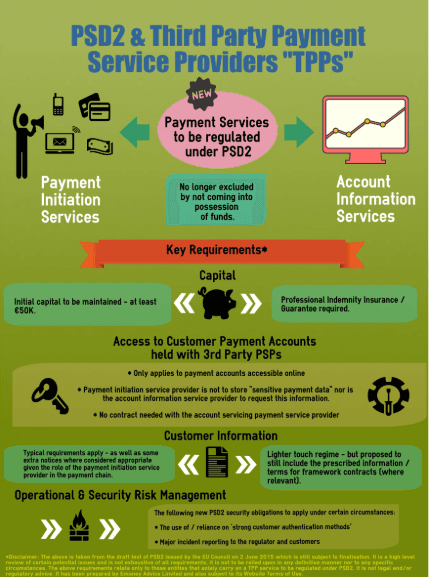
What Is a Payment Initiation Service Provider (PISP)?

A Payment Initiation Service Provider (PISP) can initiate a payment on a customer's behalf, withdrawing funds directly from their account with consent. Norway's Vipps is the most widely used PISP, and more providers are expected as PSD2 expands across Europe.

Open banking illustration representing payment services data sharing APIs between financial institutions and third-party providers

Payment Systems

Guide on Data Sharing Services in Payment Services Published

Open banking opens financial data, under the regulations and with the customer's explicit consent, to third-party service providers through standard APIs. The CBRT has published a guide on payment initiation and account information services, covering licensing and technical certification.

Diagram illustrating the PSD (Payment Services Directive) regulatory framework

Merchant & POS

What is PSD (Payment Services Directive)?

PSD stands for Payment Services Directive, known as the Payment Services Law. It took effect in EU countries in 2009, and in 2015 new revisions were announced as PSD1, aiming to build an efficient, fast, secure, and competitive payment market.

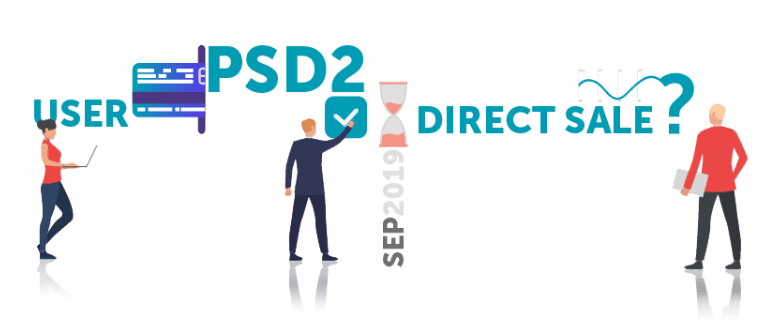
EU Payment Services Directive 2 PSD2

Merchant & POS

What Is the EU Payment Services Directive 2 (PSD2)?

The EU Payment Services Directive 2 (PSD2) is the EU's payment services law. ÖDED translated it into Turkish, creating an important handbook for anyone wanting to invest or work in this area.

Illustration representing Strong Customer Authentication (SCA) under PSD2

Payment Systems

What is Strong Customer Authentication (SCA)?

Strong Customer Authentication (SCA) is a security requirement introduced under the EU's Payment Services Directive 2 (PSD2) to increase security and reduce fraud in online payment transactions. SCA requires two of three independent authentication factors.

Account Information Service Provider concept icon

Payment Systems

What are Account Information Service Providers?

Digital Account Checking underpins many innovative banking and FinTech services. In most cases, it is performed by Account Information Service Providers, which supply data from customers' online bank accounts to other banks and third-party providers.

Diagram illustrating the NextGenPSD2 framework for open banking APIs

Open Banking

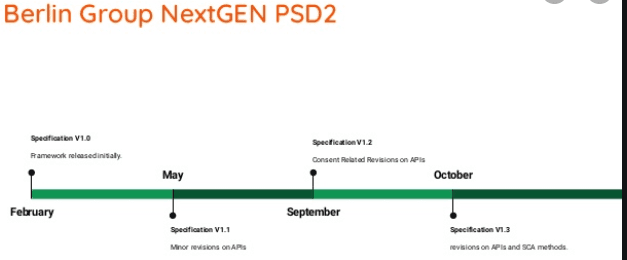
What Is NextGenPSD2?

NextGenPSD2 is the set of API standards launched by the Berlin Group in 2017, now involving more than 1,700 banks from 20 countries. This post explains what the framework offers to banks, fintechs and third-party providers under PSD2.

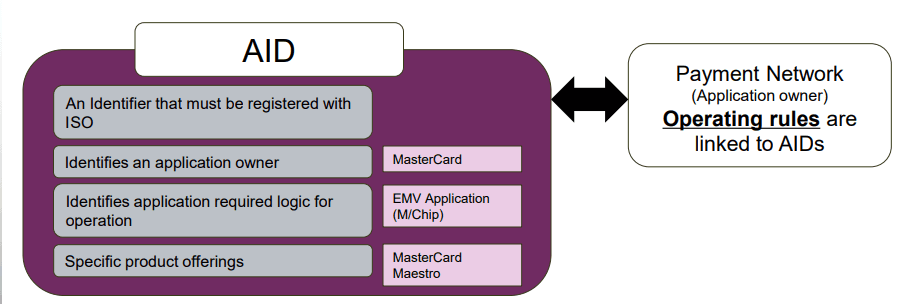
Illustration showing how an Application Identifier (AID) is used in a chip card transaction

EMV

What is an Application Identifier (AID)?

The AID tells the terminal which applications are present on a chip during a POS or ATM transaction. What does the AID do? It lets the terminal determine whether it supports an application on the chip. In Tag 9F06, it is 5-16 digits long.