Skip to content

Search

"Issuer"

138 articles found

Issuer Script Results field values shown on a POS terminal screen

Credit Card

Issuer Script Results

Issuer Script Results is the field that shows the results of the Issuer Script commands sent to the card. This post explains its byte and bit values, what an issuer script is, why the results matter, and what happens when a command fails.

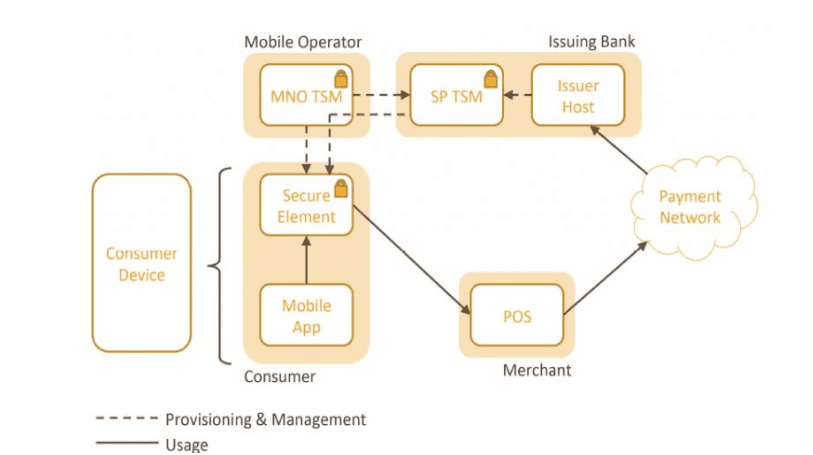
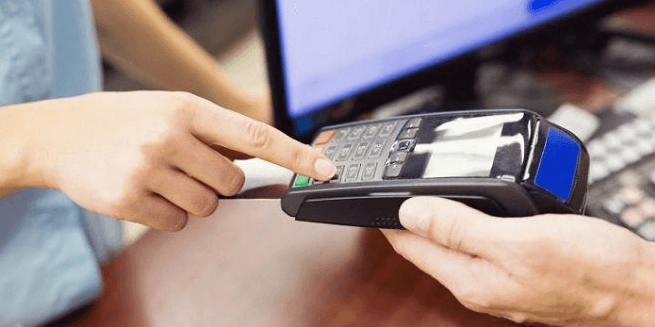
Photo of a POS terminal related to EMV Issuer Action Code settings

Online & Authorization

Issuer Action Code (IAC)

These are codes that communicate the issuer's conditions for approving a transaction online (IAC-Online), for declining it (IAC-Denial), or for declining it when the terminal cannot go online (IAC-Default).

Diagram illustrating the role of a Secure Element Issuer in mobile payments

HSM & Security

What is a Secure Element Issuer?

Secure Element Issuer is the stakeholder that provides, maintains, and updates the secure element in cases where mobile payment application and card data are stored in the secure element inside a mobile phone.

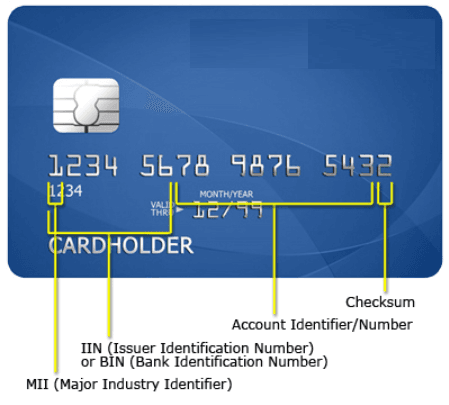
Diagram illustrating the structure of an Issuer Identification Number (IIN) on a payment card

Credit Card

What is an Issuer Identification Number (IIN)?

Issuer Identification Number (IIN) is the first 6 digits of 16-digit cards and the first 8 digits of 19-digit cards. It is more commonly known as BIN (Bank Identification Number). Learn what the IIN table holds and how to look one up.

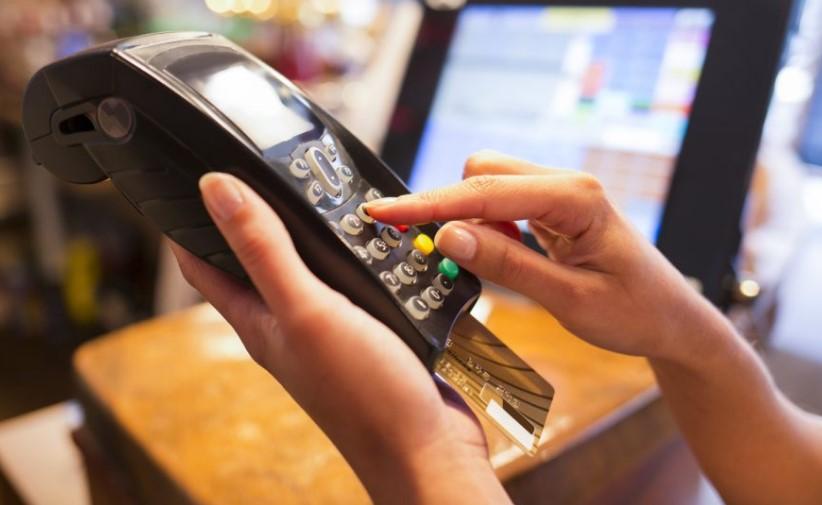
Issuer data and BIN definitions on POS terminals

Merchant & POS

Why Are Issuer Data Definitions Important?

The most important part of issuer data definitions is that they are built around your own bank's or institution's developments and application flows. Missing BINs can break installments, rewards and routing on POS devices.

Diagram explaining what an EMV Issuer Script is and how it updates card chip parameters

EMV

What Is an EMV Issuer Script?

An EMV Issuer Script is a system that lets the issuer (the institution that issues the card) update and change the parameters and values on the card chip while it remains in use, reducing fraud over the card's lifetime.

Diagram illustrating the EMV Tag-Length-Value (TLV) data structure used in card transactions

Online & Authorization

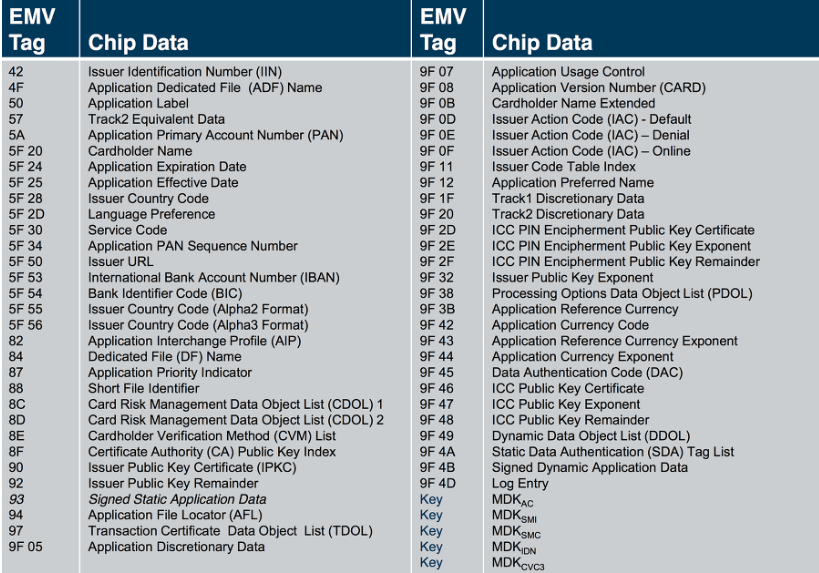
What are EMV Tags?

In EMV, data is stored in Tag-Length-Value (TLV) format, and it is carried between the card, the POS terminal, and the authorization system in this same format. This post lists every EMV Tag, its type, and its description.

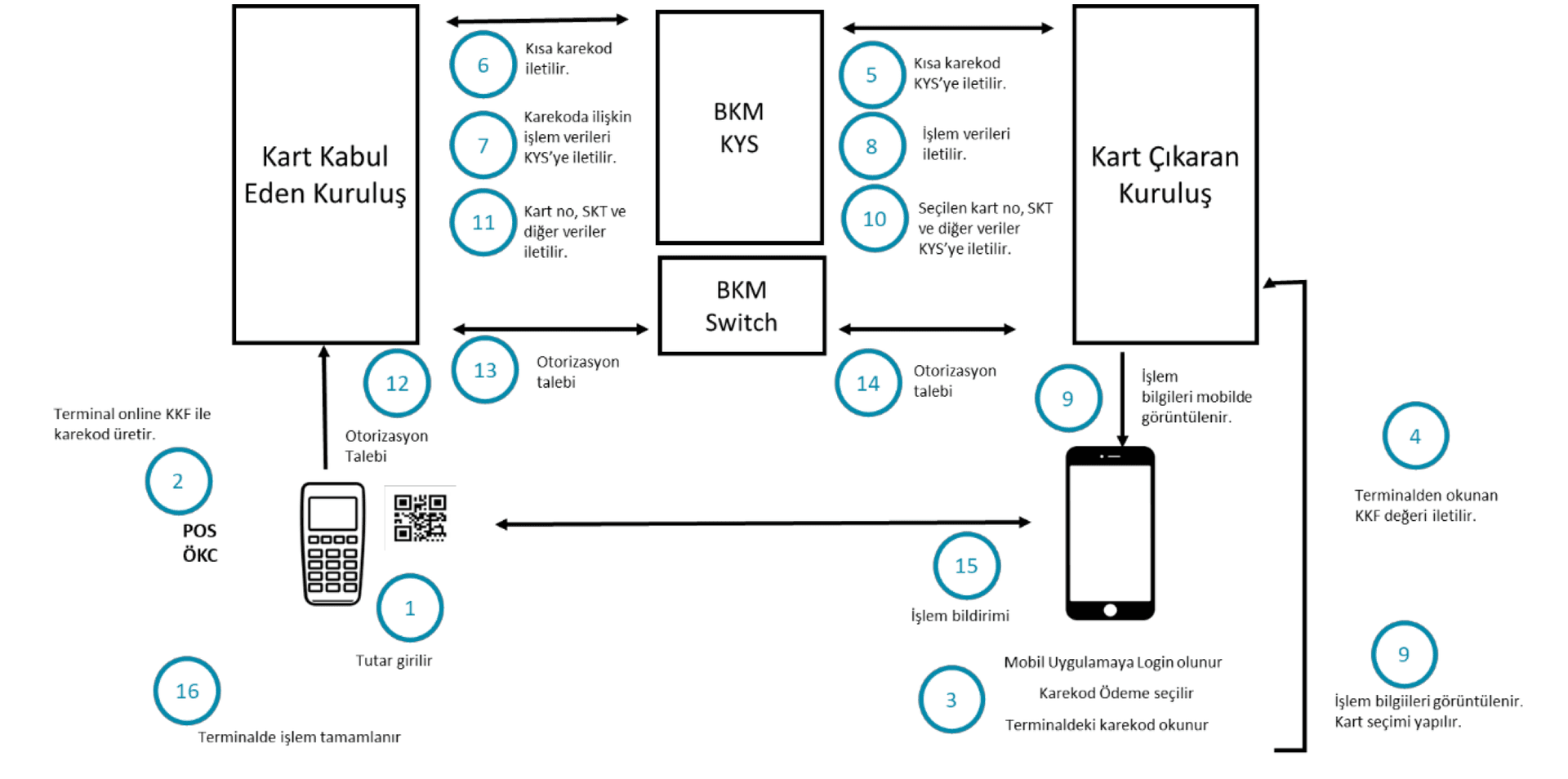
Diagram of the TR QR Code payment flow between cardholder, issuer, BKM and acquirer

Payment Systems

Why Am I Getting an Error When I Try to Pay with a TR QR Code?

In payment or cash withdrawal transactions, the TR QR Code is generated by the POS or ATM. The card issuing bank must build its systems to read and act on this code. Errors usually stem from mishandling the long and short QR code flows, which are explained here.

Diagram of the online authorization flow for below-CVM-limit contactless transactions

Payment Systems

Domestic Flow Change Made for Below-CVM-Limit Online Contactless Transactions

The domestic authorization flow for below-CVM-limit online contactless transactions has changed. Issuers can now ask the cardholder for a PIN or request card insertion instead of simply approving or declining. This post explains the CVM list and the new DE48 PDS22 and DE39 = 65 message flows.

Stand-in authorization flow diagram

Credit Card

What is Stand-In Authorization?

In the standard authorization flow, the transaction is initiated by the acquirer (POS bank) and forwarded to the issuer (card-issuing institution). The process is completed once the issuer responds. However, this isn't always possible; when the issuer fails to respond, BKM steps in...