
ISO 8583
ISO 8583 Field Descriptions (F64)
F64 — Message Authentication Code (MAC): verifies the origin and text of the message between the sender and the receiver.
Search
13 articles found
ISO 8583
F64 — Message Authentication Code (MAC): verifies the origin and text of the message between the sender and the receiver.
HSM & Security
TAK stands for Terminal Authentication Key. It is the data encryption key used to generate and verify a Message Authentication Code (MAC) for data communication between a terminal and the acquirer within a local network.

Payment Systems
Global technology companies' interest in payment systems keeps growing every day. According to reports, Apple has begun planning work on infrastructure to accept installment payments with Apple Card, letting users pay in monthly installments.

Merchant & POS
In payment systems, every exchange between POS devices and bank or payment institution systems runs on a specific messaging standard, generally based on ISO 8583. However, each country, bank, or switch network defines its own version of this standard.
Fraud
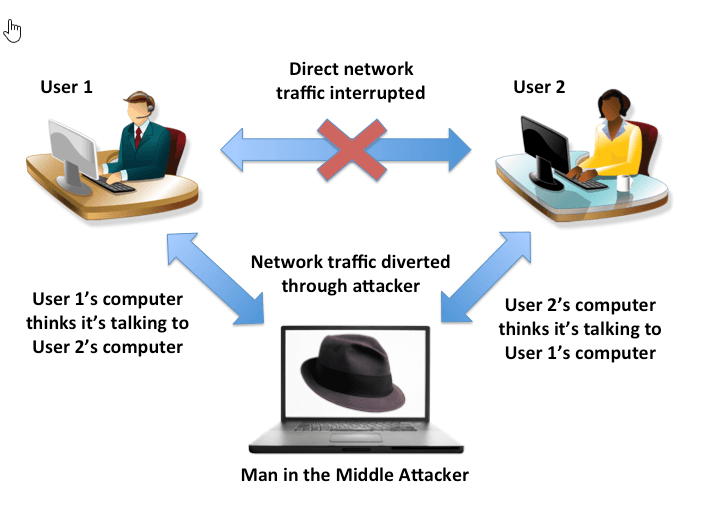
A man-in-the-middle attack is a method in which an attacker inserts themselves between the server and client to intercept users' information, steal passwords, and gain access to accounts on a local network. This fraud mostly occurs over public internet connections.

EMV
The Pin Change/Unblock command is used after card issuance to let the issuer remove a card's PIN block, or instantly change the reference PIN and remove its block, as well.

EMV
The Card Block command is used after card issuance to deactivate all applications within the ICC, including applications that could be selected indirectly. The components of the command are explained below.
EMV
The Application Unblock command removes the block placed on an application by the Application Block command, making the application usable again. Like Application Block, it is a command sequence managed after the card is presented to the terminal.
HSM & Security
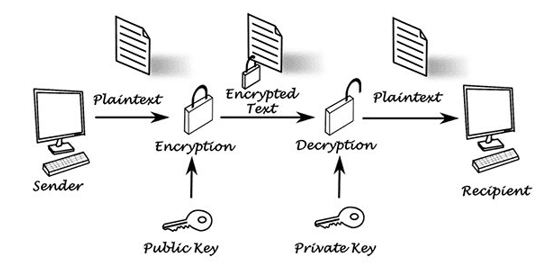
In the world of payment systems, keys and their uses are important for transferring information from one place to another, storing information, and securing authorization and scripting steps. Key types are divided into six categories based on their purpose.
HSM & Security
PEK is the abbreviation for Pin Encryption Key. The role of PEK is to encrypt PINs. There are two types of PEK: TPK (Terminal Pin Key) and ZWK (Zone Working Key).
HSM & Security
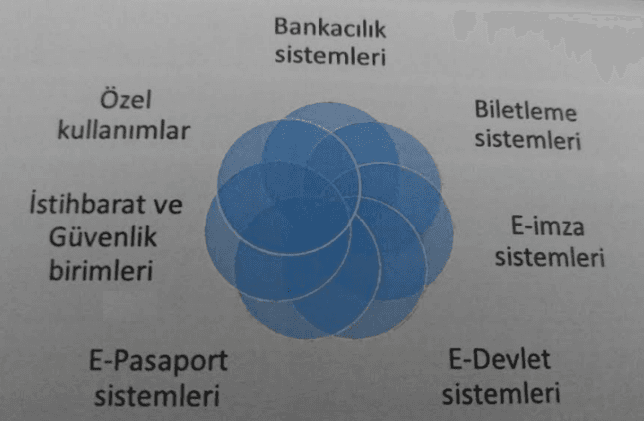
HSM, short for Hardware Security Module, is specialized security hardware built to store sensitive cryptographic keys in a physical environment and to perform cryptographic operations in the most secure way.
ISO 8583
In ISO messaging standards, country codes sent in fields such as F43, F19, F20, and F21 must follow a specific standard. Below is the country code list and details used for ISO, including 2-character, 3-character, and numeric codes.