Skip to content

Search

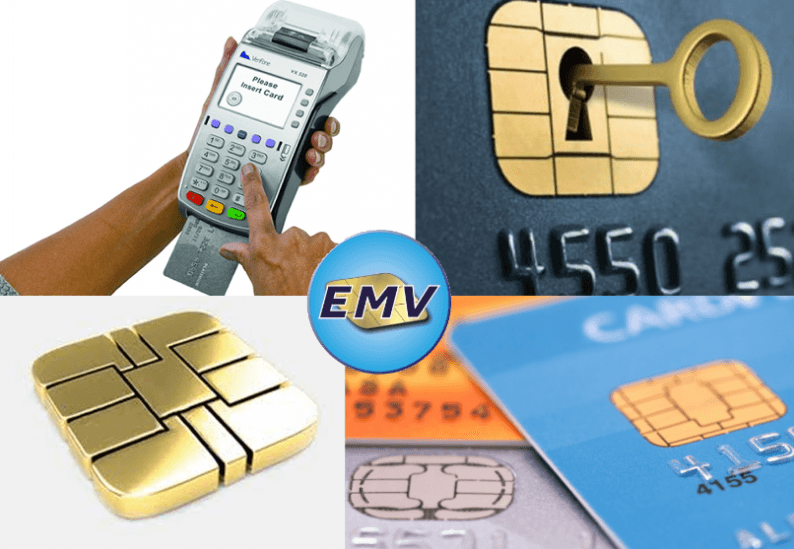
"PIN Try Counter"

10 articles found

Diagram illustrating the PIN Try Counter concept on a payment card chip

Credit Card

What Is PIN (Personal Identification Number) Try Counter?

The PIN Try Counter is a value stored on the card's chip showing the number of remaining offline PIN attempts. Each incorrect offline PIN entry decreases it by 1, and it resets when the correct PIN is entered.


PIN try counter on chip cards

Credit Card

What Is the PIN Try Count?

The PIN Try Count is the maximum number of failed offline PIN verifications that can be made with the card. Banks usually keep both the consecutive wrong PIN count and the maximum wrong PIN count.

Diagram illustrating the PIN Change/Unblock command process

EMV

What Is Pin Change/Unblock?

The Pin Change/Unblock command is used after card issuance to let the issuer remove a card's PIN block, or instantly change the reference PIN and remove its block, as well.

GET DATA command flow in an EMV transaction

EMV

What is the GET DATA command?

The GET DATA command is used to retrieve a primitive data object that is not encapsulated in a record within the current application. It is used to retrieve certain primitive data objects interpreted by the application on the ICC.

Diagram explaining what an EMV Issuer Script is and how it updates card chip parameters

EMV

What Is an EMV Issuer Script?

An EMV Issuer Script is a system that lets the issuer (the institution that issues the card) update and change the parameters and values on the card chip while it remains in use, reducing fraud over the card's lifetime.

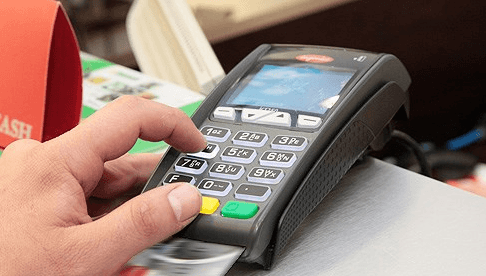
Issuer Script Results field values shown on a POS terminal screen

Credit Card

Issuer Script Results

Issuer Script Results is the field that shows the results of the Issuer Script commands sent to the card. This post explains its byte and bit values, what an issuer script is, why the results matter, and what happens when a command fails.

Diagram illustrating the EMV Tag-Length-Value (TLV) data structure used in card transactions

Online & Authorization

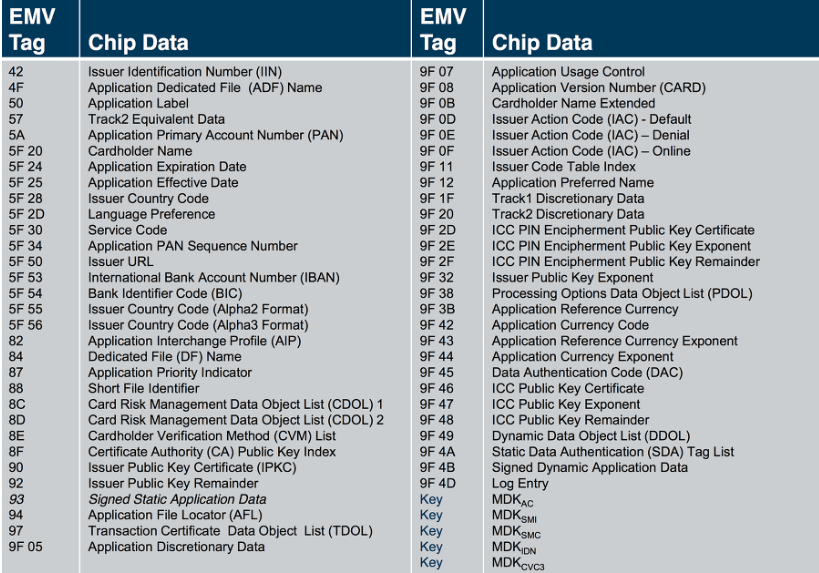
What are EMV Tags?

In EMV, data is stored in Tag-Length-Value (TLV) format, and it is carried between the card, the POS terminal, and the authorization system in this same format. This post lists every EMV Tag, its type, and its description.

Diagram showing the four pillars of HCE cloud-based security infrastructure

HCE

What is the HCE Cloud-Based Security Infrastructure Like?

The HCE cloud-based security infrastructure consists of four main pillars: Tokenization, Risk Management, Session Keys, and User/Device Authentication. Tokenization indicates the type of token generation, and there are three different tokenization methods.

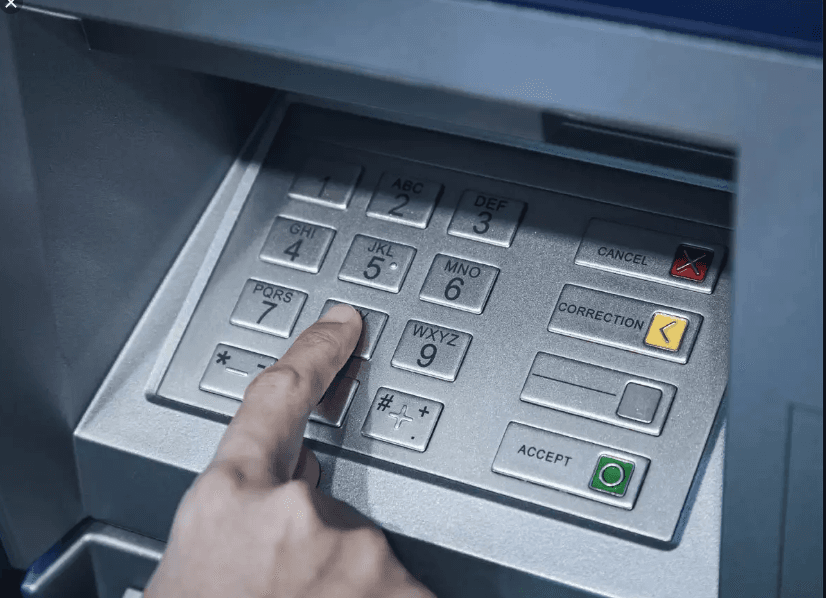
ATM machine with card reader, keypad and screen

ATM

15 Interesting Facts About ATMs

Although we can now carry out almost all branch transactions at an ATM, for most of us an ATM is still just a machine for depositing and withdrawing cash. Today, without a card, we can use our phones to deposit and withdraw cash via QR code.