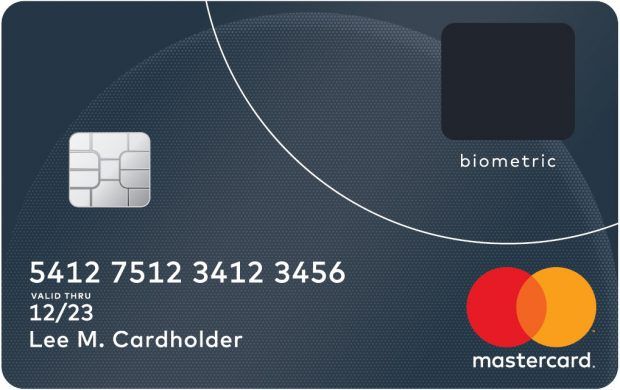
Credit Card
What is a biometric credit card?
Technology continues to make our lives easier and more secure. Old ID cards were just laminated paper; new ones became personalized and secure with biometric photos added alongside chip data.
Search
20 articles found
Credit Card
Technology continues to make our lives easier and more secure. Old ID cards were just laminated paper; new ones became personalized and secure with biometric photos added alongside chip data.
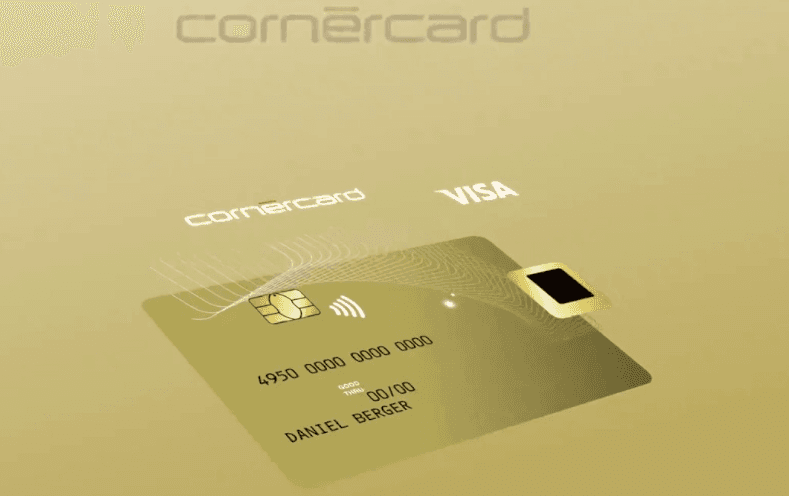
Credit Card
Card security is critical in card payment systems. Chip&Pin curbed much fraud, but gaps remain. Cornercard, Gemalto and Visa launched Switzerland's first credit card with a built-in fingerprint reader. Here is how it works.
Security
Payment security is very important in payment systems. To increase security, transactions require additional information such as PINs and passwords. Remembering which information to use, and keeping it in mind without forgetting…

Laws & Regulations
Digitalization is changing how banks onboard customers. This post covers digital identity, verification methods, what the Turkish ID card offers, and Article 43 of the Regulation on Information Systems of Banks and Electronic Banking Services on remote identity verification and open banking.
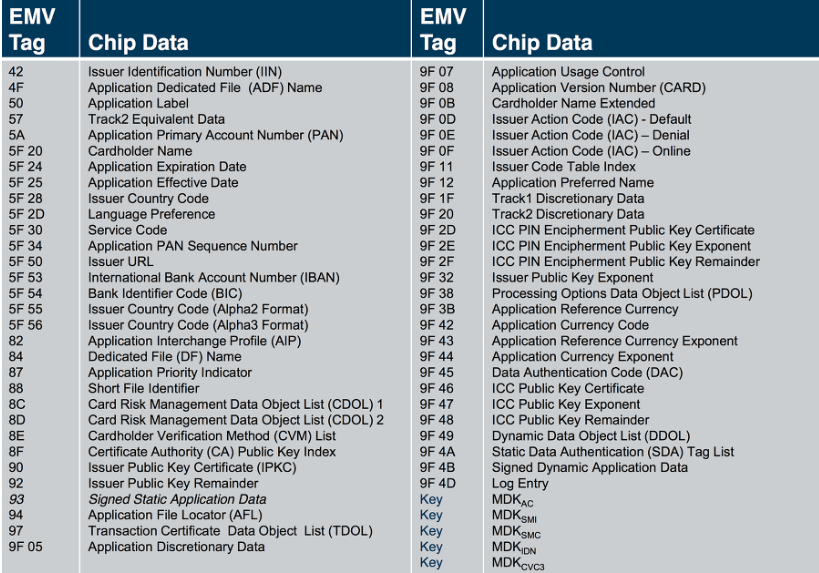
Online & Authorization
In EMV, data is stored in Tag-Length-Value (TLV) format, and it is carried between the card, the POS terminal, and the authorization system in this same format. This post lists every EMV Tag, its type, and its description.
HSM & Security
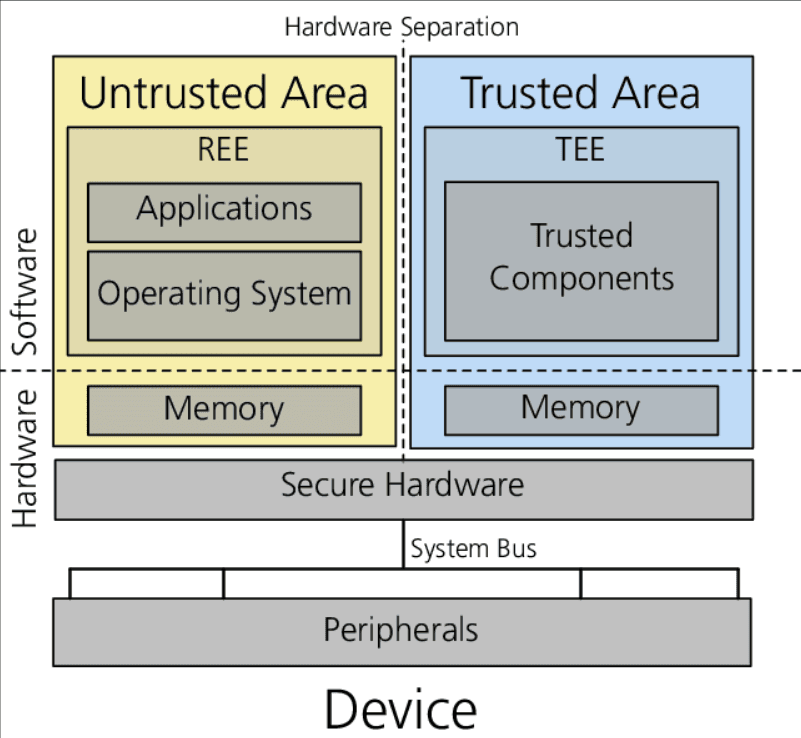
A Trusted Execution Environment (TEE) is an environment where executed code and accessed data are isolated and protected in terms of confidentiality (no one has access to the data) and integrity (no one can alter the code or its behavior). We may not realize it, but many…
EMV
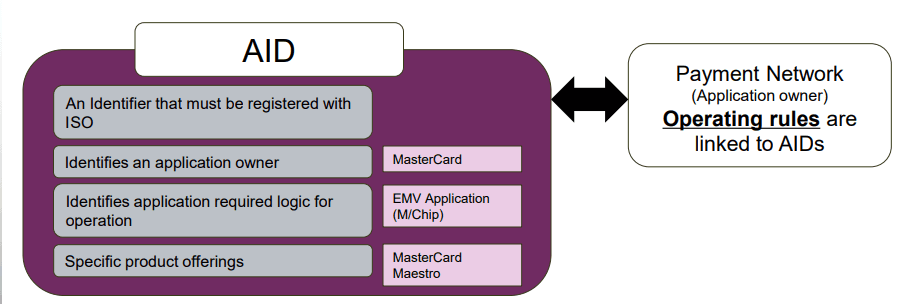
The AID tells the terminal which applications are present on a chip during a POS or ATM transaction. What does the AID do? It lets the terminal determine whether it supports an application on the chip. In Tag 9F06, it is 5-16 digits long.

HCE
There are three types of PIN strategy in HCE (Host Card Emulation): No PIN, Card PIN and Wallet PIN or customer biometric data. Each balances user experience and security differently.

Agentic Commerce
Are We Ready to Give an AI Agent the Authority to Make Payments? Having long looked at complaint and dispute processes in payment systems, I think granting an agent payment authority is far different from research or product selection.

EMV
The Visa EAS Server (Extended Access Service) is a server used in Visa’s authentication infrastructure. It was developed to run the cardholder authentication process securely between banks and the Visa network, particularly within Visa Secure (3-D Secure 2.x).
Payment Systems
A draft communiqué has been published setting out the procedures and principles for remote identity verification methods that banks can use for new customer acquisition and customer identity verification.
Credit Card
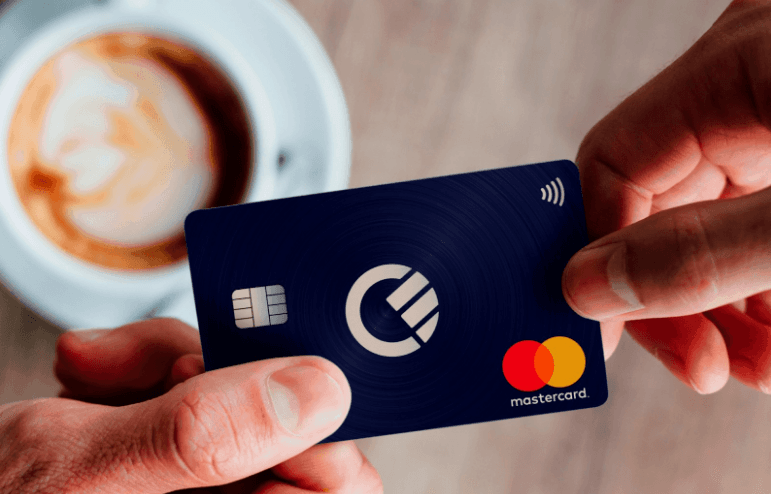
When we think of a credit card, we picture one printed with the Card Number, Cardholder Name, Expiration Date, and CVV2 information. But what if we told you there is a card with no numbers on it at all? It may sound strange at first, but...