Skip to content

Search

"payment protocols"

19 articles found

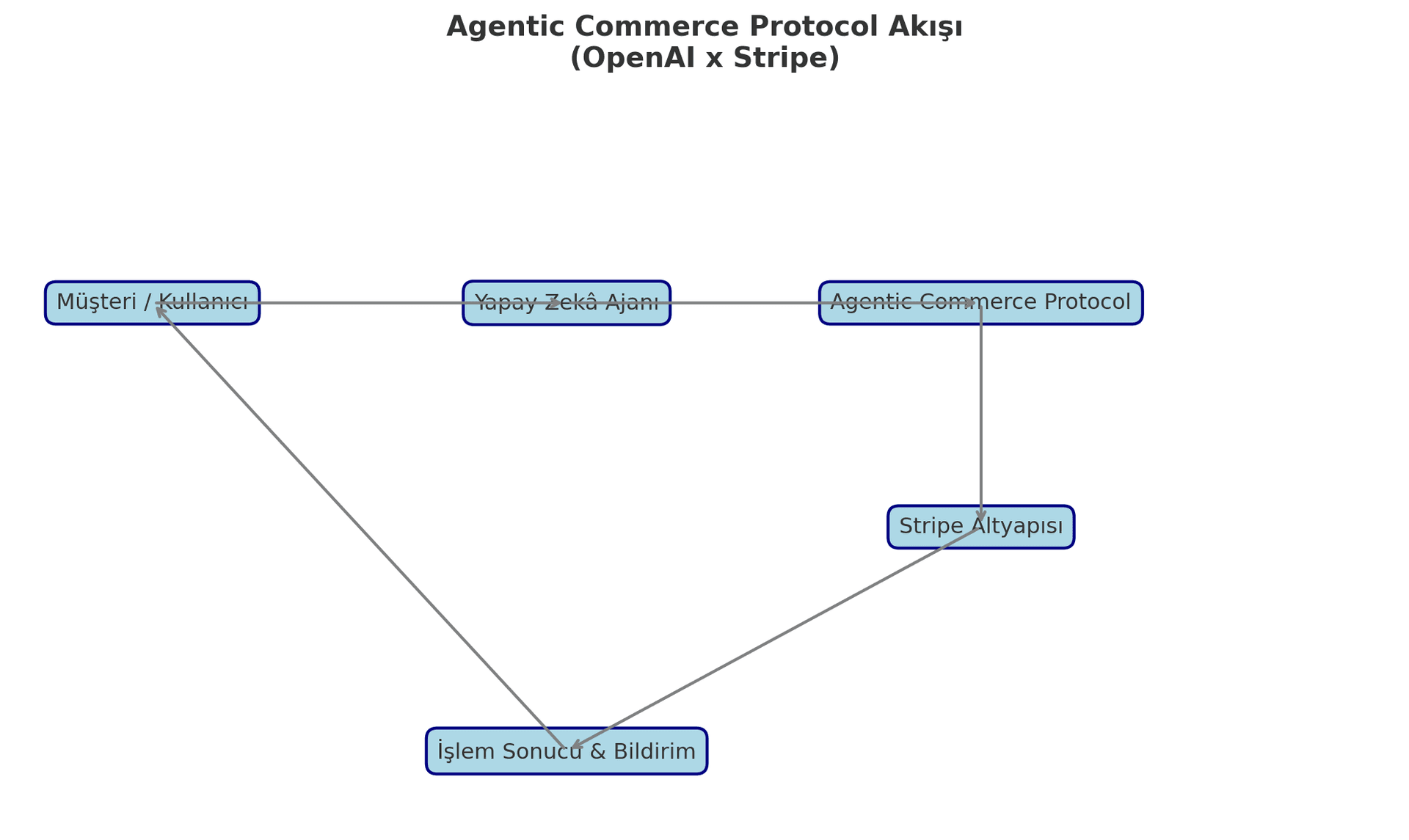
Illustration of AI agents connecting to payment infrastructure through Agentic Commerce Protocol

Payment Systems

What Is Agentic Commerce Protocol? How Does It Work?

Agentic Commerce Protocol (ACP) is a next-generation protocol that lets AI agents integrate directly into commercial processes such as payments, orders, refunds and subscriptions. This post explains how it works and what it offers businesses.
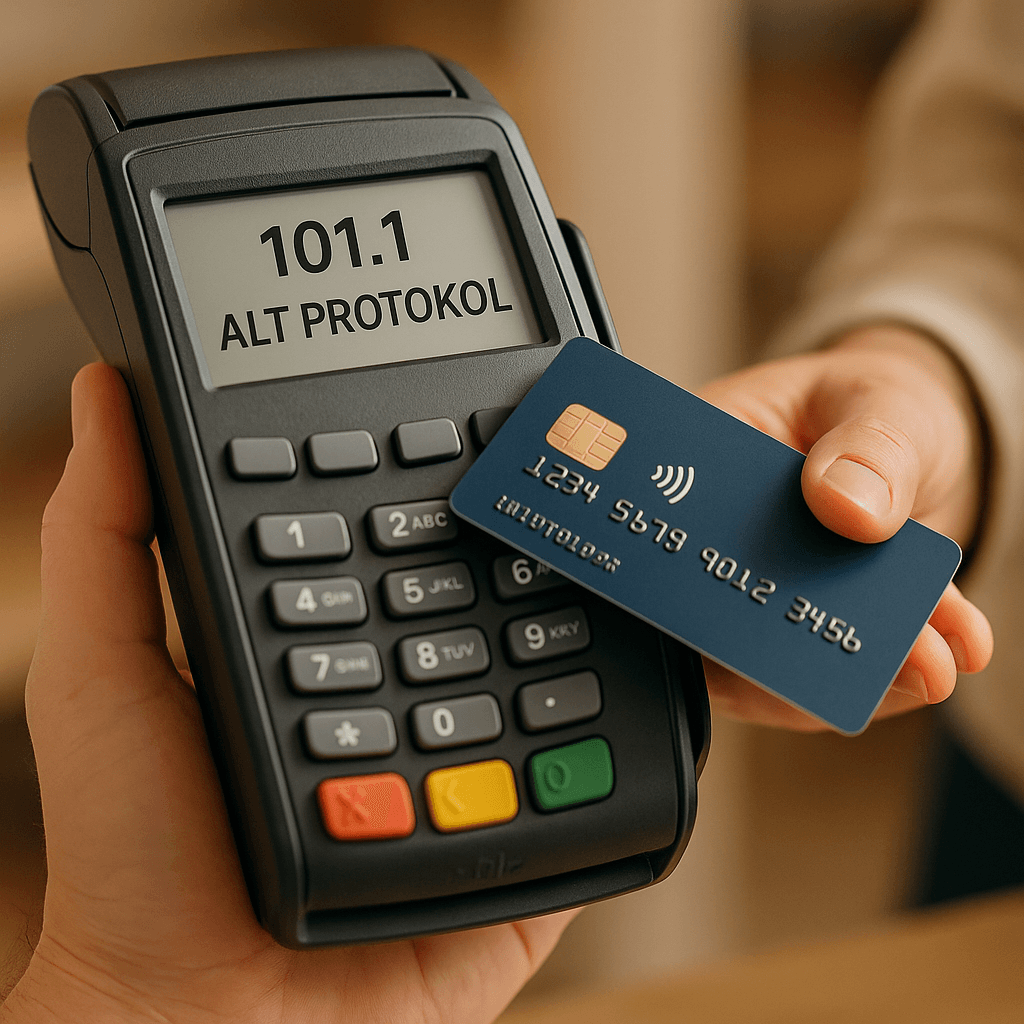

Illustration representing communication protocols used in POS payment systems

Merchant & POS

What Are POS Sub-Protocols and Their Use Cases in Turkey?

In payment systems, every exchange between POS devices and bank or payment institution systems runs on a specific messaging standard, generally based on ISO 8583. However, each country, bank, or switch network defines its own version of this standard.

Illustration of an AI-based payment agent making payments automatically on behalf of a user

Payment Systems

What Are AI-Based Payment Agents?

Digitalization keeps changing the speed and shape of payments. AI-based payment agents pay on their own within user-defined limits and rules, completing transactions without the user initiating any action. This post explains how they work and what to watch for.

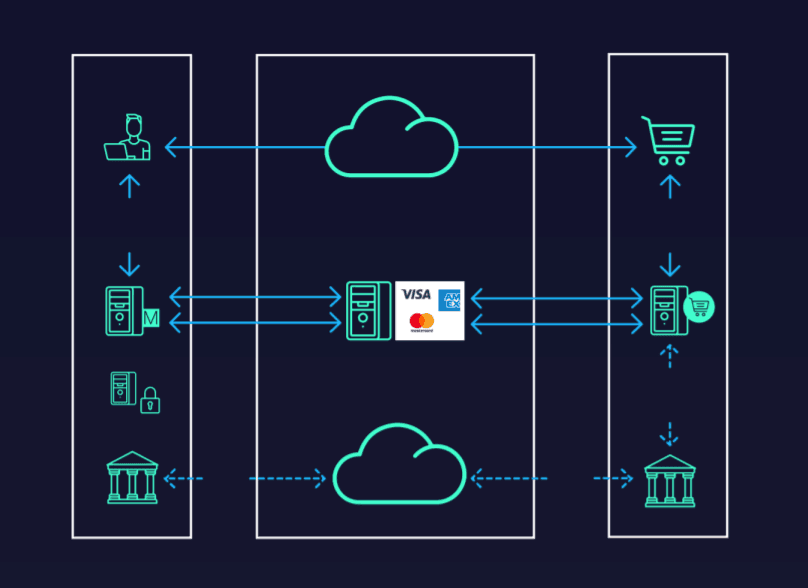
Diagram showing the role of the Access Control Server (ACS) in the 3-D Secure authentication flow

Security

What is Access Security Control (ACS)?

Access Security Control (ACS) is the security protocol that the card-issuing bank must maintain in 3-D Secure to support cardholder authentication, functioning as a complete authentication solution for issuers and payment processors.

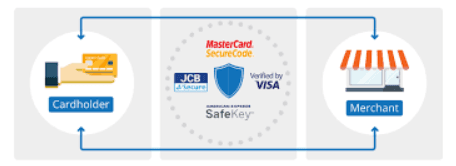
Diagram illustrating the Access Control Server (ACS) role in the 3-D Secure authentication protocol

Security

How can I find the list of Access Security Control (ACS) companies?

Access Security Control (ACS) is the security protocol that the card-issuing bank must maintain under the 3-D Secure protocol to support cardholder authentication. 3-D Secure is an XML-based protocol that adds an extra security layer to online card payments.

NFC near field communication ISO/IEC 18092 illustration

Payment Systems

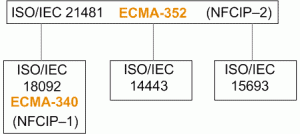
What Is ISO/IEC 18092/ECMA-340?

NFC is a data transfer technology developed by Sony and Philips in late 2002 and adopted as an ISO/IEC standard in 2003. ISO/IEC 18092/ECMA-340 (NFCIP-1) is one of the two globally accepted NFC standards.

Diagram illustrating the ISO/IEC 14443 contactless card communication standard

HCE

What Is the ISO/IEC 14443 Standard?

An international standard that defines proximity cards used in Near Field Communication (NFC) and the protocols used to communicate with them. It has 4 parts; Part 4 covers NFC and HCE operations.

Diagram illustrating EMV Level 1, Level 2, and Level 3 certification stages for payment terminals

Merchant & POS

What Are EMV Level 1, Level 2, and Level 3 Certifications?

The EMV Level 1 standard refers to an important global payment industry specification defining the electrical and physical interface between credit and debit cards and the payment terminal (ATM/POS). The EMV Contactless Level 1 certification guarantees that the device…

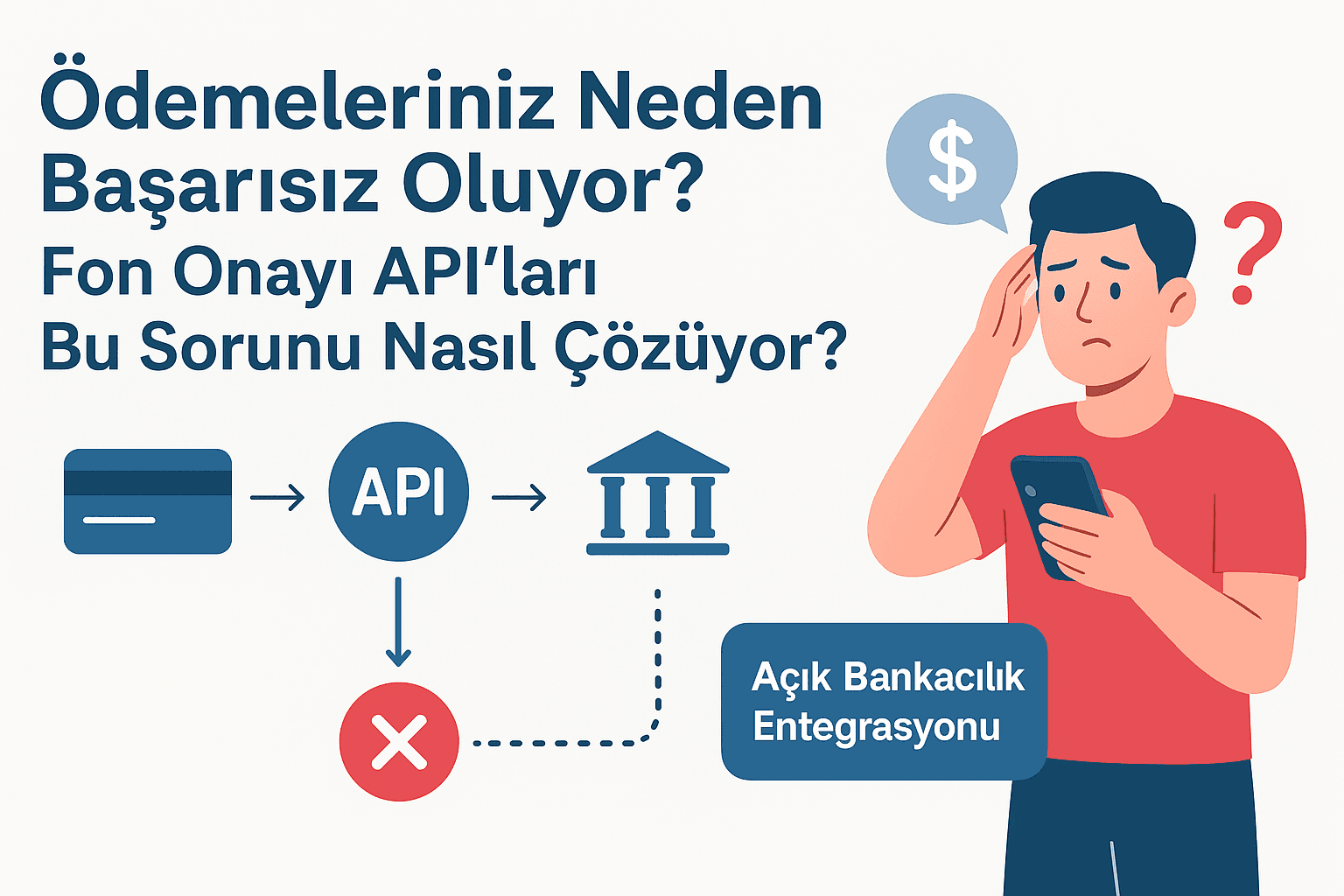
Shopper at an online checkout seeing a failed payment message because of an insufficient funds check

Online & Authorization

Why Do Your Payments Fail? How Funds Confirmation APIs Solve It

You press the pay button and the screen says the transaction failed. Behind that failure are checks on your balance and transaction security. This post explains how funds confirmation APIs work, where they apply, and the situation in Turkey's open banking.

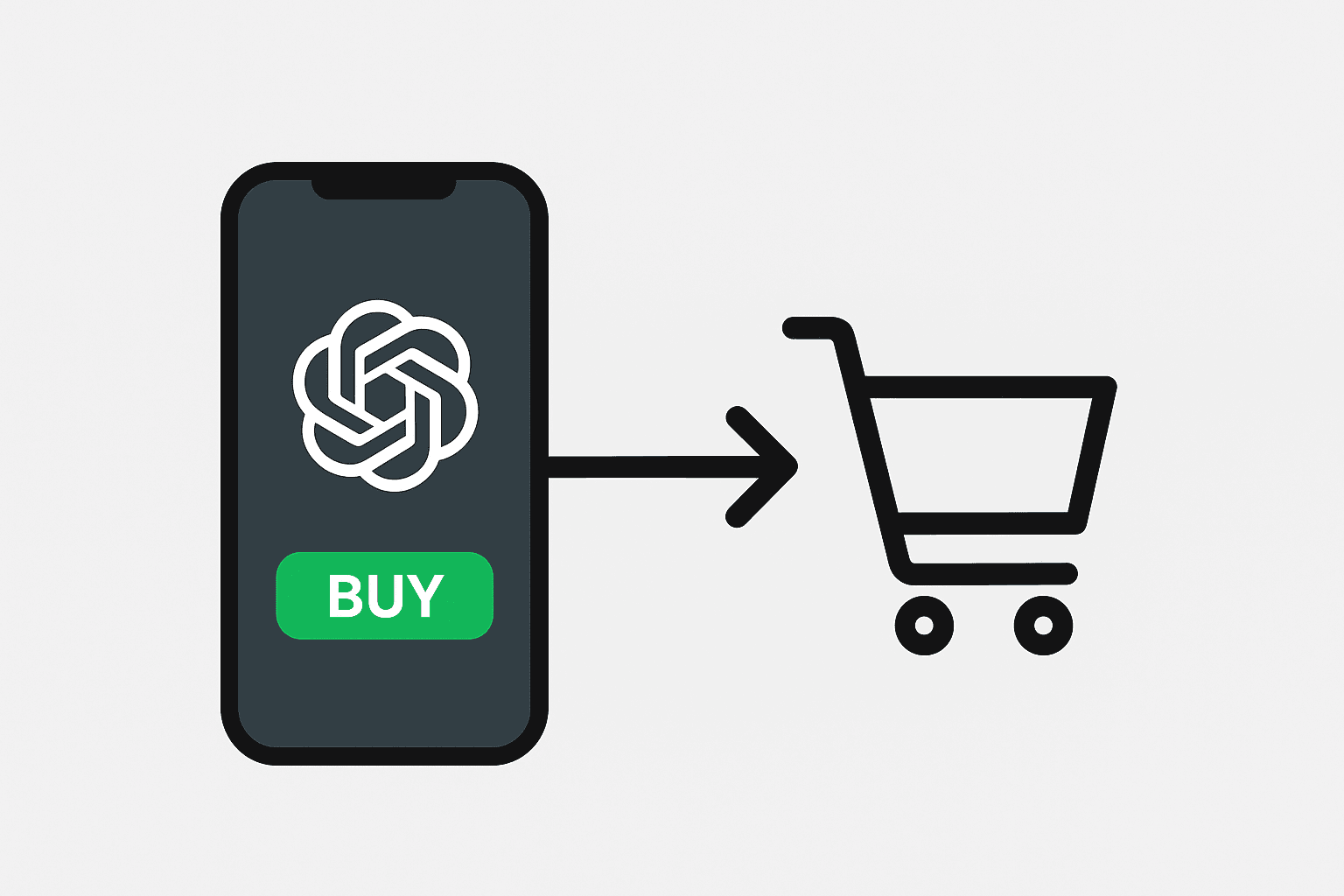
Illustration of ChatGPT Instant Checkout and the Agentic Commerce Protocol

Online & Authorization

Shopping Directly from ChatGPT: A New Era with Agentic Commerce

OpenAI and Stripe announced the Agentic Commerce Protocol (ACP), with Instant Checkout live on Etsy and Shopify in the US. What this means for payment facilitators and e-commerce platforms, and what may come beyond one-click checkout.

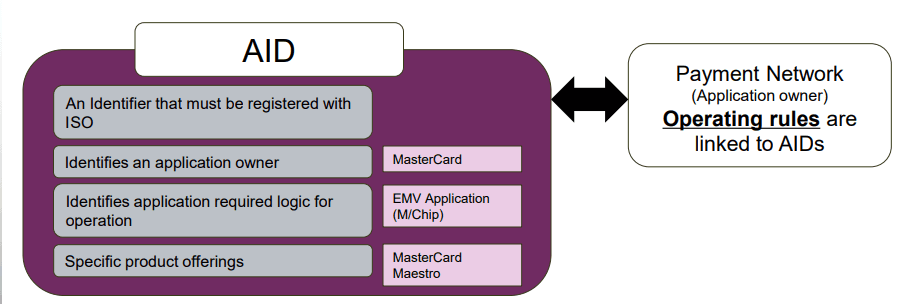
Illustration showing how an Application Identifier (AID) is used in a chip card transaction

EMV

What is an Application Identifier (AID)?

The AID tells the terminal which applications are present on a chip during a POS or ATM transaction. What does the AID do? It lets the terminal determine whether it supports an application on the chip. In Tag 9F06, it is 5-16 digits long.