
ISO 8583
ISO 8583 Field Descriptions (F54)
F54 - ADDITIONAL AMOUNTS is the additional amount field used in transactions. It can take different values depending on the transaction, such as carrying account balance information for balance inquiries.
Search
121 articles found
ISO 8583
F54 - ADDITIONAL AMOUNTS is the additional amount field used in transactions. It can take different values depending on the transaction, such as carrying account balance information for balance inquiries.
ISO 8583
F37 - RETRIEVAL REFERENCE NUMBER: a 12-digit alphanumeric value generated by the Acquirer that initiates the transaction. It must be printed on the POS receipt or ATM slip. RRN is the reference number that allows a transaction to be located.
ISO 8583
F42 - CARD ACCEPTOR IDENTIFICATION CODE: the merchant number of the terminal where a transaction took place. It is a 15-character alphanumeric value. Transactions are settled to the merchant's account based on the merchant number in this field.
ISO 8583
F90 - ORIGINAL DATA ELEMENTS: the data elements from an original message, designed to identify the transaction in correction or reversal transactions. Subfields: Original MTI, Original DE 11 (STAN), Original DE 7, Original DE 32, Original DE 33.

Credit Card
If you can't use your card for e-commerce transactions abroad, first check that e-commerce authorization is enabled, that 3D Secure has been set up, and that your bank's authorization system is active. The issue may also originate from the merchant's bank.
Merchant & POS
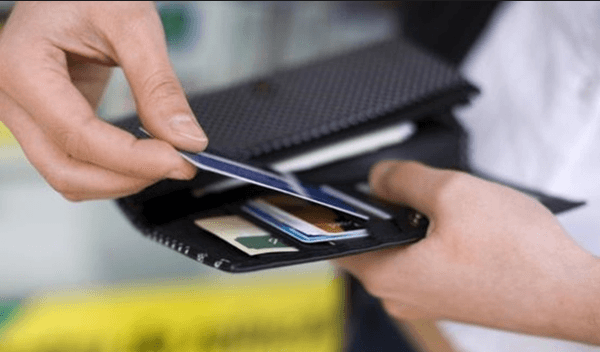
Introduction: When a card (credit card/debit card/prepaid card) is used at an ATM or POS, data must be carried securely between systems. For example, in a store sale, the POS initiates the transaction, which must reach the cardholder's bank intact.
Clearing
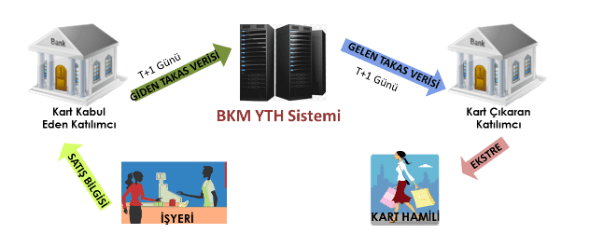
Clearing: the transmission of transfer orders sent to the system, mediating their mutual delivery, obtaining authorization prior to settlement in some systems, and netting payment orders.

Credit Card
As credit cards become more and more a part of our lives, we now make almost all our purchases without cash. We inserted our card into the merchant's POS. We made a 100 TRY sale transaction. We received a receipt confirming it was successful.
Clearing
The clearing system settles a transaction between two participants when a card from one bank is used at another bank's POS or ATM. Learn about the incoming and outgoing files used in interbank clearing.

Merchant & POS
In the world of payment systems, both the issuer (the cardholder's bank) and the acquirer (the POS/ATM bank) must follow certain rules for card transactions made through a POS terminal or an ATM. Responding to transactions within a certain time is one of these rules.
Credit Card
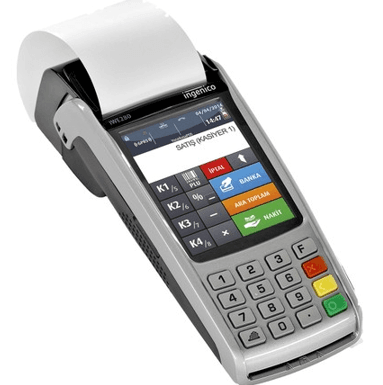
An installment transaction splits a payment into a set number of installments reflected on the cardholder's statement, when the card and POS bank are the same. For example, a 1000 TL transaction in 5 installments reflects 200 TL per statement period, starting from the first one.
Merchant & POS
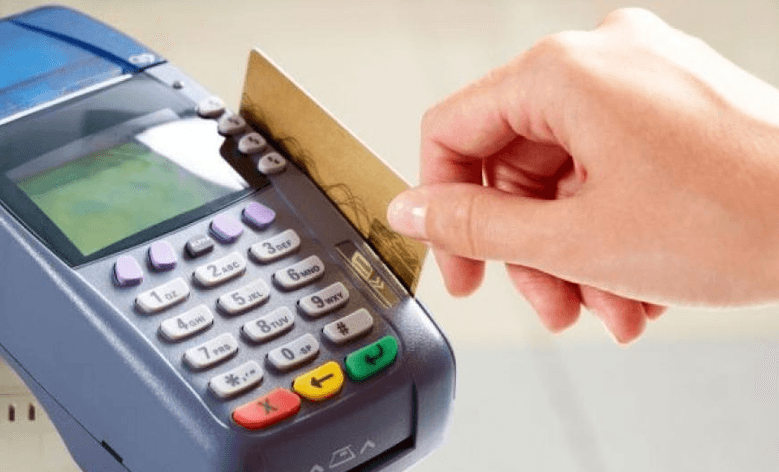
When a chip can't be read due to a chip fault or the card being inserted incorrectly, the transaction is completed by swiping the magnetic stripe on the right side of the POS. Can chipless cards do fallback?