Skip to content

Search

"Card Data"

231 articles found

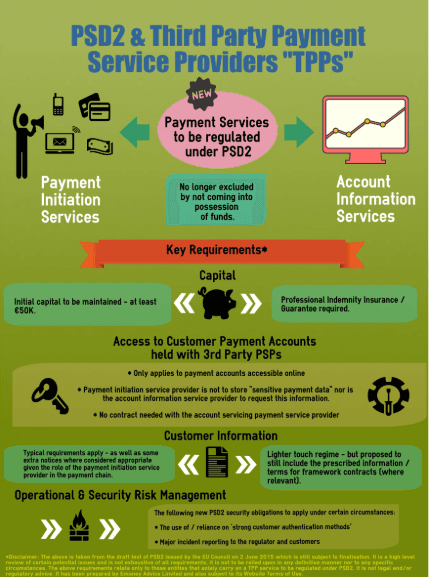
Diagram illustrating the PSD (Payment Services Directive) regulatory framework

Merchant & POS

What is PSD (Payment Services Directive)?

PSD stands for Payment Services Directive, known as the Payment Services Law. It took effect in EU countries in 2009, and in 2015 new revisions were announced as PSD1, aiming to build an efficient, fast, secure, and competitive payment market.

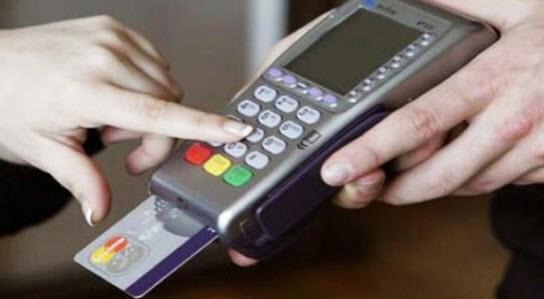
Close-up of a bank card's chip failing to be read by a POS terminal

Credit Card

What should I do if my card's chip isn't reading?

If your card's chip won't read, the chip data is likely corrupted or the POS's chip reader is faulty. This is usually caused by magnetic interaction with another card's chip.

HCE terminology and architecture diagram

HCE

Terms Used in HCE Terminology

When we talk about HCE methodology, many interacting architectural components come to mind. The core terms describing this architecture are listed below, starting with GCM/FCM (Google/Firebase Cloud Messaging), a service for sending push notifications.

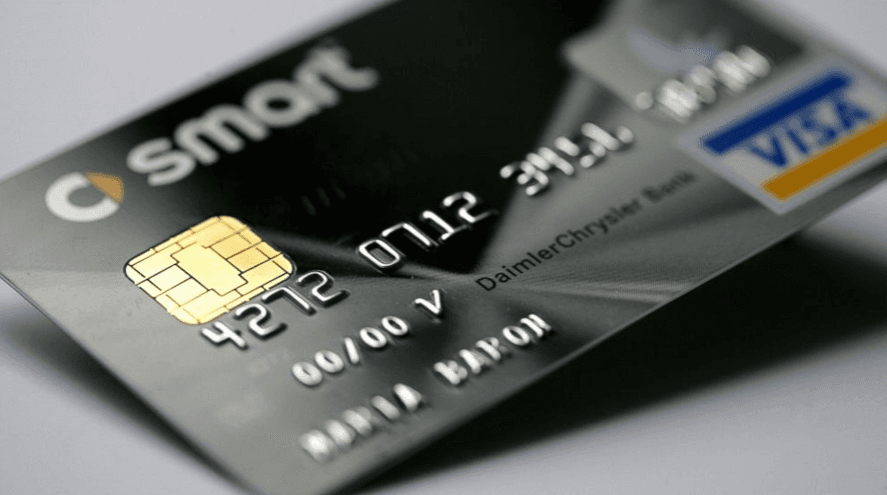
Close-up of a credit card showing the embossed cardholder name

Credit Card

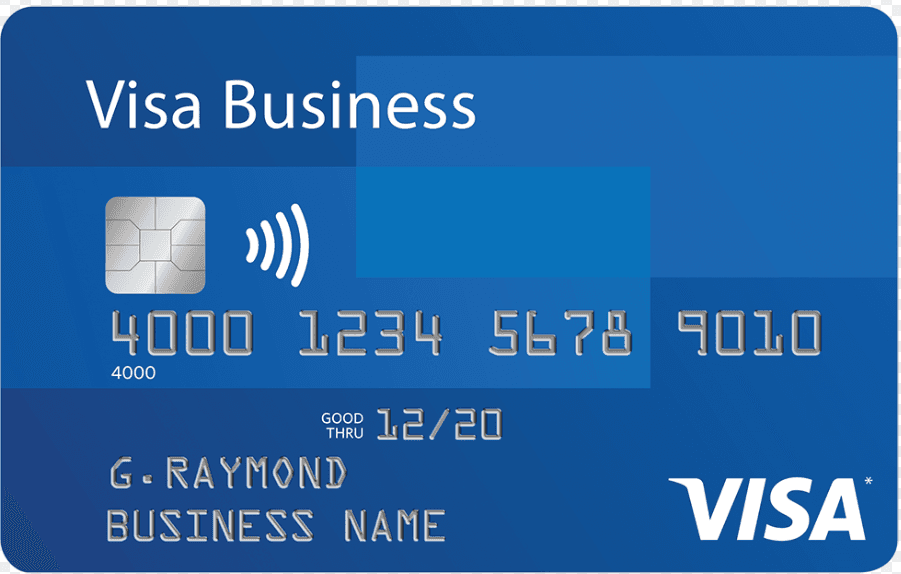
Can the emboss name be printed on a card without limit?

The customer's name and surname printed on credit and debit cards is called the emboss name. But can the name be printed on a card without any limit? There is a defined field for all information printed on a card, and these fields have specific standards.

Visa Merchant Purchase Inquiry (VMPI) process diagram

Fraud

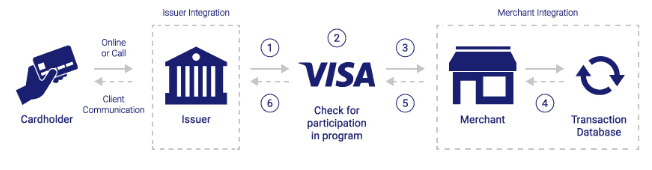
What is Visa Merchant Purchase Inquiry (VMPI)?

Chargeback is the process of refunding a credit card payment when the goods or services that should have been received were not, or when transactions not made by the cardholder are identified. In Turkish it is translated as reversal of presentment.

Diagram of an external quarterly network vulnerability scan for PCI DSS compliance

Security

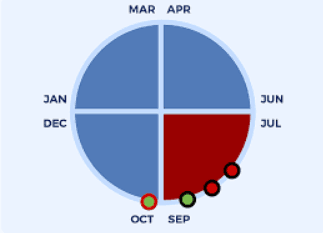
What Is a Quarterly Network Scan?

An external network scan run every 3 months by an Approved Scanning Vendor authorized by card schemes such as MasterCard and Visa, required for PCI DSS compliance. It checks whether merchant systems are protected against external threats.

EMV Application Transaction Counter ATC 9F36

Online & Authorization

Application Transaction Counter (ATC)

The Application Transaction Counter is the number of transactions made with the card so far. It increases by 1 with each transaction and can also be used as a transaction number, making transactions easier to track.

Diagram showing how card transaction data flows through the ISO 8583 messaging standard

Merchant & POS

What is ISO 8583?

Introduction: When a card (credit card/debit card/prepaid card) is used at an ATM or POS, data must be carried securely between systems. For example, in a store sale, the POS initiates the transaction, which must reach the cardholder's bank intact.

Diagram illustrating the tokenization and detokenization process for card payments

HCE

What Are Tokenization and Detokenization?

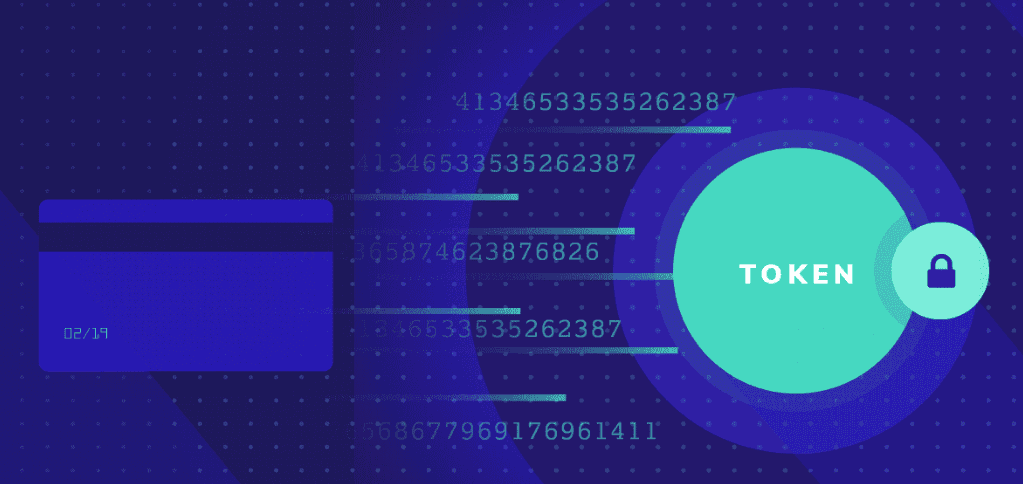
Tokenization generates secure data from a credit card number, using specific algorithms, for use during authorization. In CNP transactions, it removes the risk of storing or compromising the original card number.