Skip to content

Search

"POS"

316 articles found

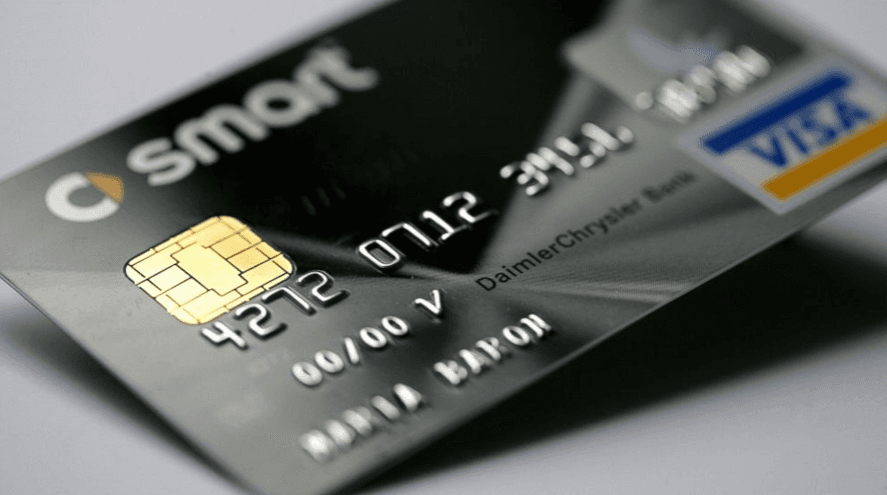
Contactless payment being made with a chip debit card at a POS terminal

Debit Card

Can a debit card (ATM card) be used for contactless transactions?

A contactless transaction is a fast, secure payment made between a chip card and a POS device without direct contact, without the card's chip or magnetic data being read through the card reader. Can this be done with a debit card (ATM card)?

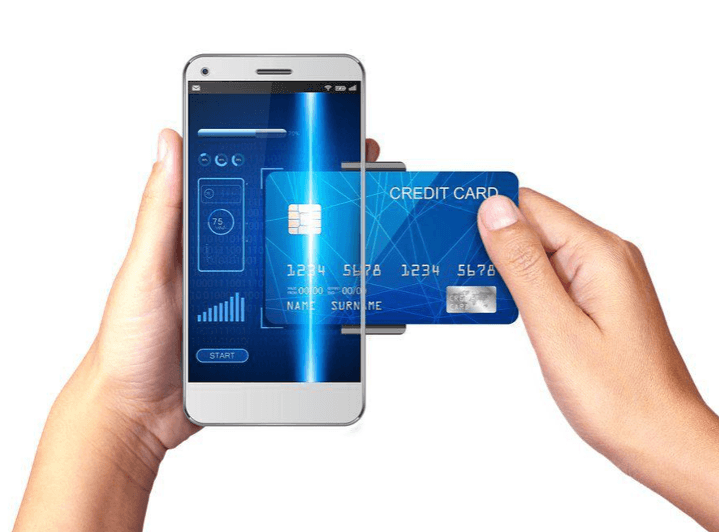
Illustration representing a fictitious POS transaction

Fraud

What Is a Fictitious Transaction?

According to the Banks Association of Turkey, a fictitious transaction is a collusive transaction made by misusing POS devices, debit cards, or credit cards. Banks that detect such transactions through merchants report them to the Banks Association of Turkey.

Physical credit card compared with a virtual card on a mobile phone

Credit Card

Physical or Virtual Credit Card: Which Do You Prefer?

Digitalization is reshaping payment systems. Credit cards are moving from physical plastic to virtual cards, e-wallets and mobile payments. Will physical card use disappear completely? Here is a look at the trends, Generation Z and the remaining gaps.

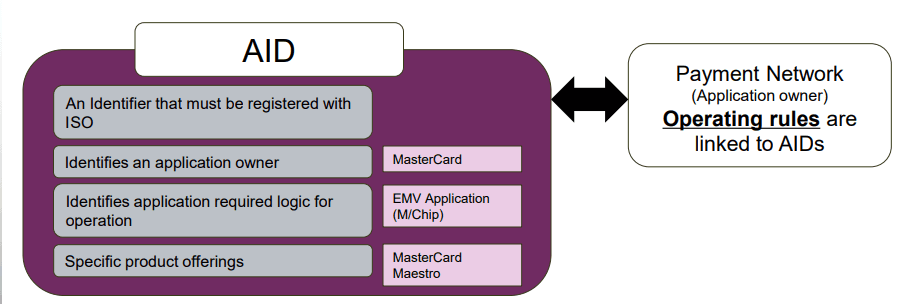
Illustration showing how an Application Identifier (AID) is used in a chip card transaction

EMV

What is an Application Identifier (AID)?

The AID tells the terminal which applications are present on a chip during a POS or ATM transaction. What does the AID do? It lets the terminal determine whether it supports an application on the chip. In Tag 9F06, it is 5-16 digits long.

Diagram illustrating Terminal PIN Key (TPK) usage in POS and ATM devices

HSM & Security

What is TPK (Terminal PIN Key)?

TPK stands for Terminal PIN Key. It is a data encryption key used to encrypt PINs for transmission between a terminal and the terminal's bank (acquirer) within a local network. Learn how TPK is used in POS and ATM devices.

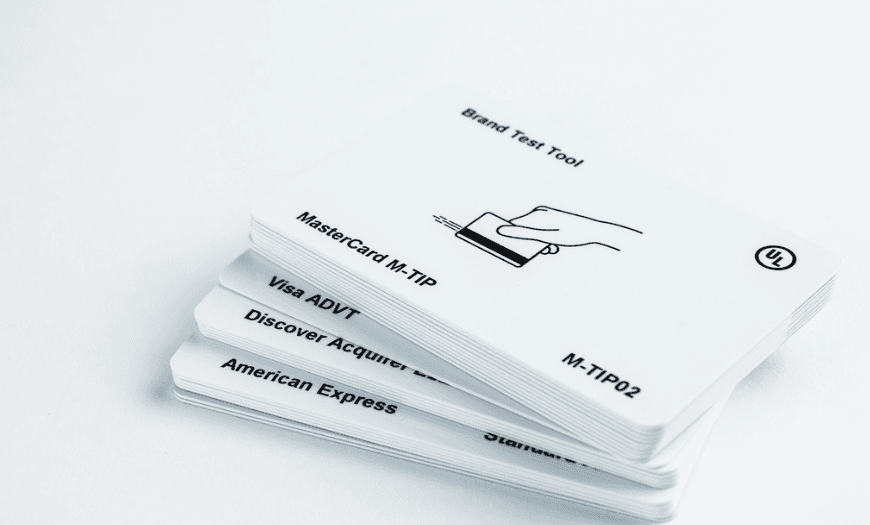
Illustration of POS terminal certification testing for Visa and MasterCard payment schemes

Merchant & POS

What are Visa ADVT & VpTT and MasterCard M-TIP?

In order for a bank's POS devices to process transactions with payment scheme cards (Visa, MasterCard, Troy, etc.), they must pass certain test and control steps. Visa and MasterCard have test tools that include test cards and test scenarios for this purpose…

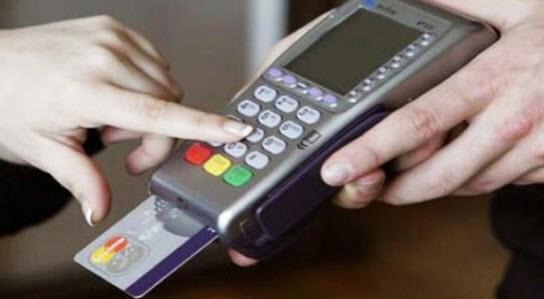
Photograph of a POS terminal used for Chip and Pin card payments

Merchant & POS

What is Chip&Pin?

Chip&Pin, introduced in Turkey on March 31, 2006, is a payment method that greatly reduces the risks of card copying and loss or theft fraud. The chip on the card reduces copying risk, while the 4-digit PIN prevents unauthorized use of a lost card.

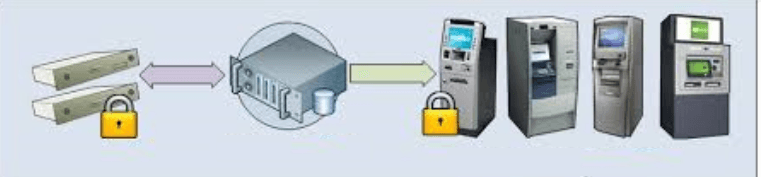
Diagram illustrating the Remote Key Loading (RKL) process

ATM

What Is RKL (Remote Key Loading)?

RKL is the process of distributing a TMK (Terminal Master Key) to each terminal from a central point. It is used to remotely load keys onto POS and ATM devices, loading TMKs onto an ATM's keypad or activating them on a POS.

Close-up of a bank card's chip failing to be read by a POS terminal

Credit Card

What should I do if my card's chip isn't reading?

If your card's chip won't read, the chip data is likely corrupted or the POS's chip reader is faulty. This is usually caused by magnetic interaction with another card's chip.

Diagram showing how pre-authorization blocks a card's available limit

Credit Card

Which Cards Can Be Used for Pre-Authorization?

Pre-authorization reduces the merchant's risk by blocking part of the card's limit for a set period. Since a credit card has a defined limit, an amount can be blocked against it. ATM cards and prepaid debit cards have no such limit to block.

Credit card being presented at a POS terminal for a pre-authorization transaction

Merchant & POS

Is a Card Required for a Pre-Authorization Transaction?

Whether a card is required for a pre-authorization transaction depends on the type of POS used. On a physical POS, the card must be swiped or inserted to start the transaction. On a virtual POS, entering the card details manually is enough.

Diagram illustrating the structure of an ISO 8583 message field

ISO 8583

ISO 8583 Field Descriptions (F41)

F41 - CARD ACCEPTOR TERMINAL IDENTIFICATION: the terminal where a transaction took place. An 8-character alphanumeric value generated by the acquirer bank and assigned to the POS, managed as a unique terminal number at the acquirer.