Skip to content

Search

"Payment Systems"

348 articles found

Announcement graphic for the FAST instant payment system transaction limit increase to 1,000 TL

FAST

FAST Transaction Limit Raised to 1,000 TL

Current information: This post describes the limit in effect at the time of publication. The FAST transaction limit, introduced in January, was raised periodically and reached 1,000 TL as of January 29. See the newer post for the current FAST limit.
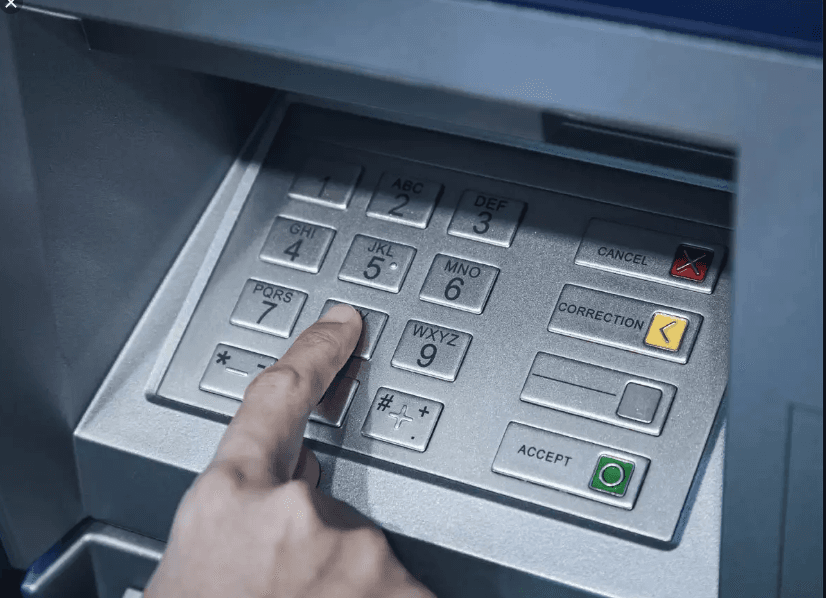
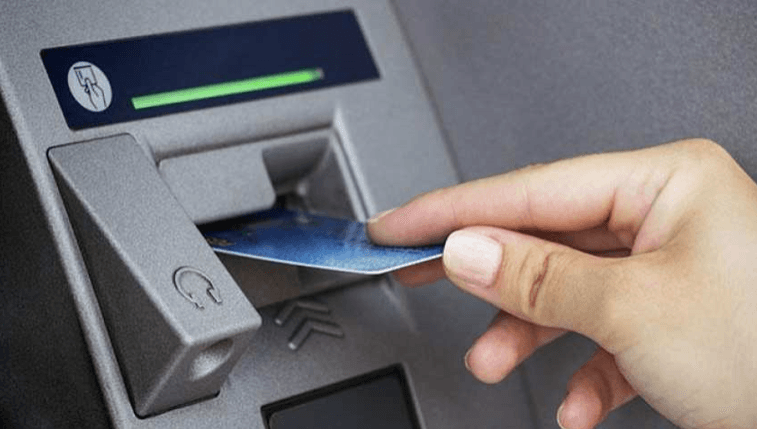
Diagram explaining the ATM reject bin where unaccepted banknotes are deposited

ATM

What Is Reject (the Reject Bin)?

It's a term used in ATM systems within payment systems. In ATM transactions, cash in question is placed into a separate compartment for review, called the reject bin. Retract is the customer's holding bin; reject is the ATM's reject bin.

Illustration of an ATM cash dispenser showing the retract and reject cash compartments

ATM

What Is Retract?

Retract is a term used in ATM systems. When cash already presented to the customer is not taken, it is diverted into a compartment called retract, as opposed to the reject compartment used for unusable banknotes.

Payment card being swiped on a tampered POS device in a credit card fraud scheme

Credit Card

A New Method in Credit Card Fraud!!

Credit card fraud keeps changing form, but the aim is always to trick the cardholder into giving up card details. Fraudsters posing as delivery couriers now copy cards on modified POS devices. Here is how the scam works and how to protect yourself.

Credit card and smartphone illustrating online card payments without physically presenting the card

Credit Card

Do I have to use my physical card when shopping?

In the early years of credit cards, using the card physically was mandatory. With the internet and new technologies, we can now pay with only the card details, 3D Secure and contactless NFC payments, even without the card in hand.

Illustration for the repeal of the regulation on payment institutions and e-money institutions

Payment Institutions & E-Money

Regulation on Payment Institutions and E-Money Institutions Repealed

The new regulation on payment services and e-money issuance, published on 1 December 2021, repealed the 2014 regulation on payment institutions and e-money institutions and the related information systems communiqué. This post summarizes the change and the Article 33 equity requirement.

Document cover of the BRSA circular on the report format under Article 8 of the payment services regulation

Payment Institutions & E-Money

What Is the Circular on the Report Format under Article 8 of the Regulation on Payment Services and E-Money Issuance and Payment Institutions and E-Money Institutions? How Can It Be Accessed?

Under Law No. 6493, payment institutions and e-money institutions may operate only with BRSA permission. This post explains the BRSA circular on the format of the independent audit report required with operating permit applications under Article 8 of the Regulation, and where to find it.

BKM (Interbank Card Center) membership acceptance criteria overview

Laws & Regulations

What Are the BKM Membership Acceptance Criteria?

BKM (Interbank Card Center) membership is available in 3 statuses: bank, institution or HSK. This post explains the eligibility criteria for each status, the 12-month certification requirement and the BKM fee principles.

Illustration of embedded finance, with payment, credit, insurance and investment services built into everyday digital platforms

Open Banking

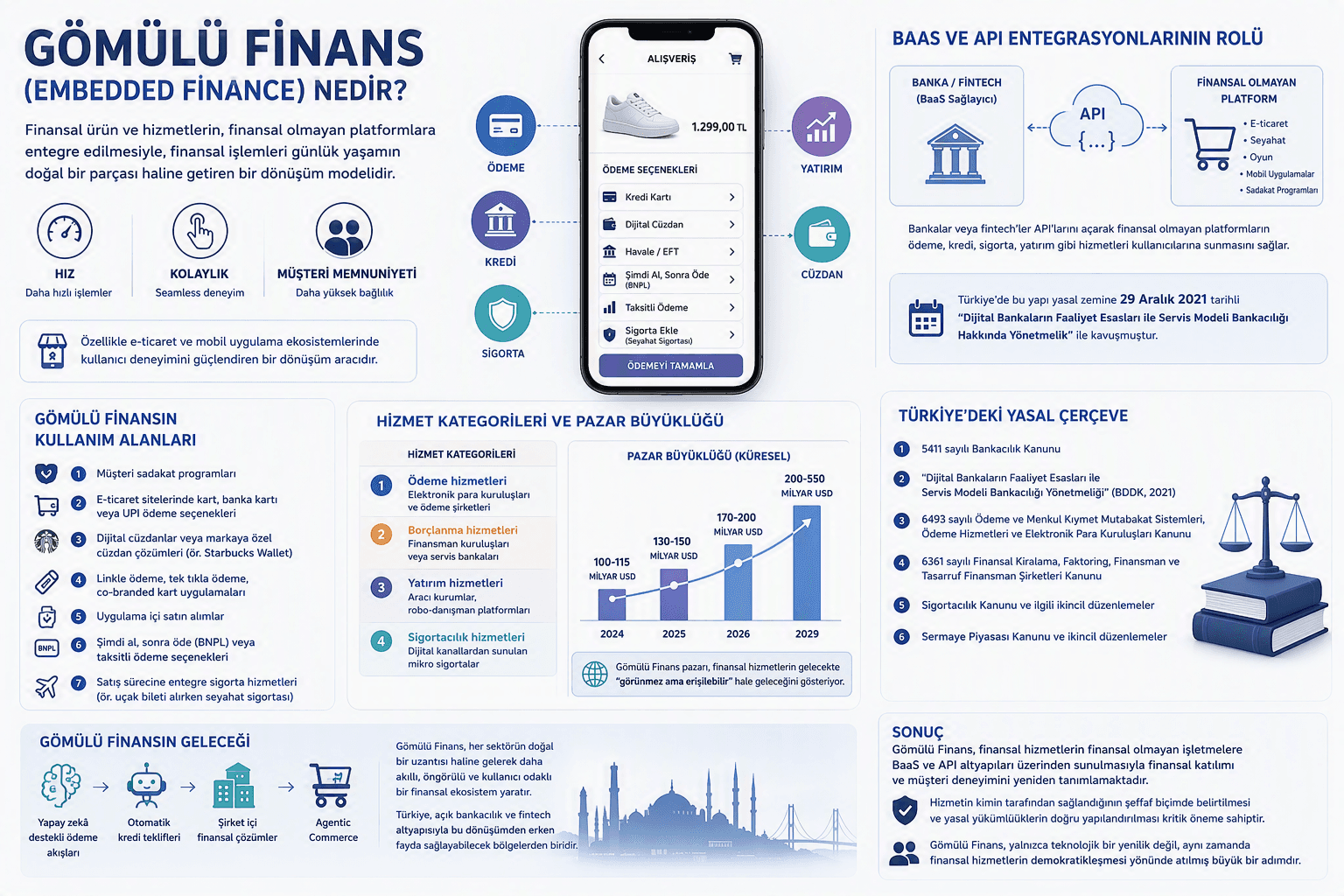
What Is Embedded Finance?

Embedded Finance means integrating financial products and services into non-financial platforms, experiences or business processes. In other words, services offered by financial institutions become part of the product or service flows of non-financial organizations.

Exterior of the Takasbank headquarters building

Payment Systems

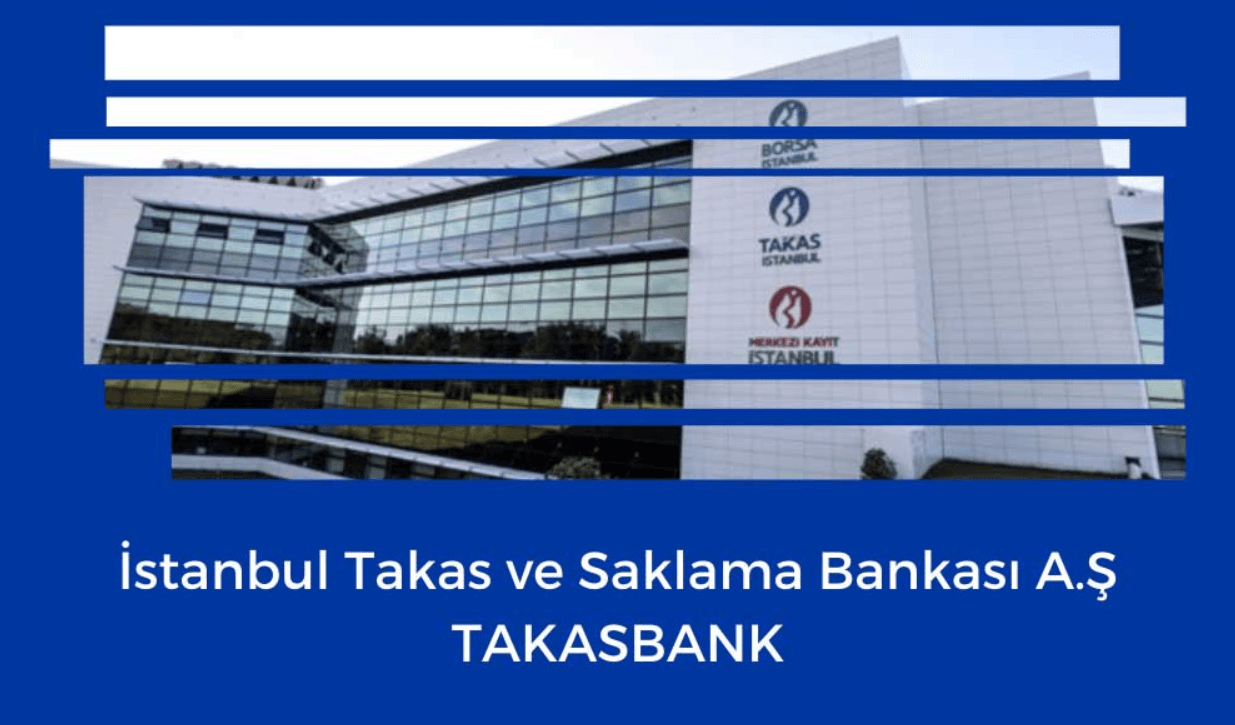
What is Takasbank?

Takasbank (Istanbul Settlement and Custody Bank) exists to increase the competitiveness of Turkey's markets by providing clearing and custody services, financial services, and other economic activities under the relevant legislation.