Skip to content

Search

"card data"

231 articles found

EMV upper consecutive offline limit

Merchant & POS

What Is the Upper Consecutive Offline Limit?

The Upper Consecutive Offline Limit is the maximum number of consecutive offline transactions allowed by the issuer's chip card application on a terminal that cannot go online. It is held in tag 9F23.

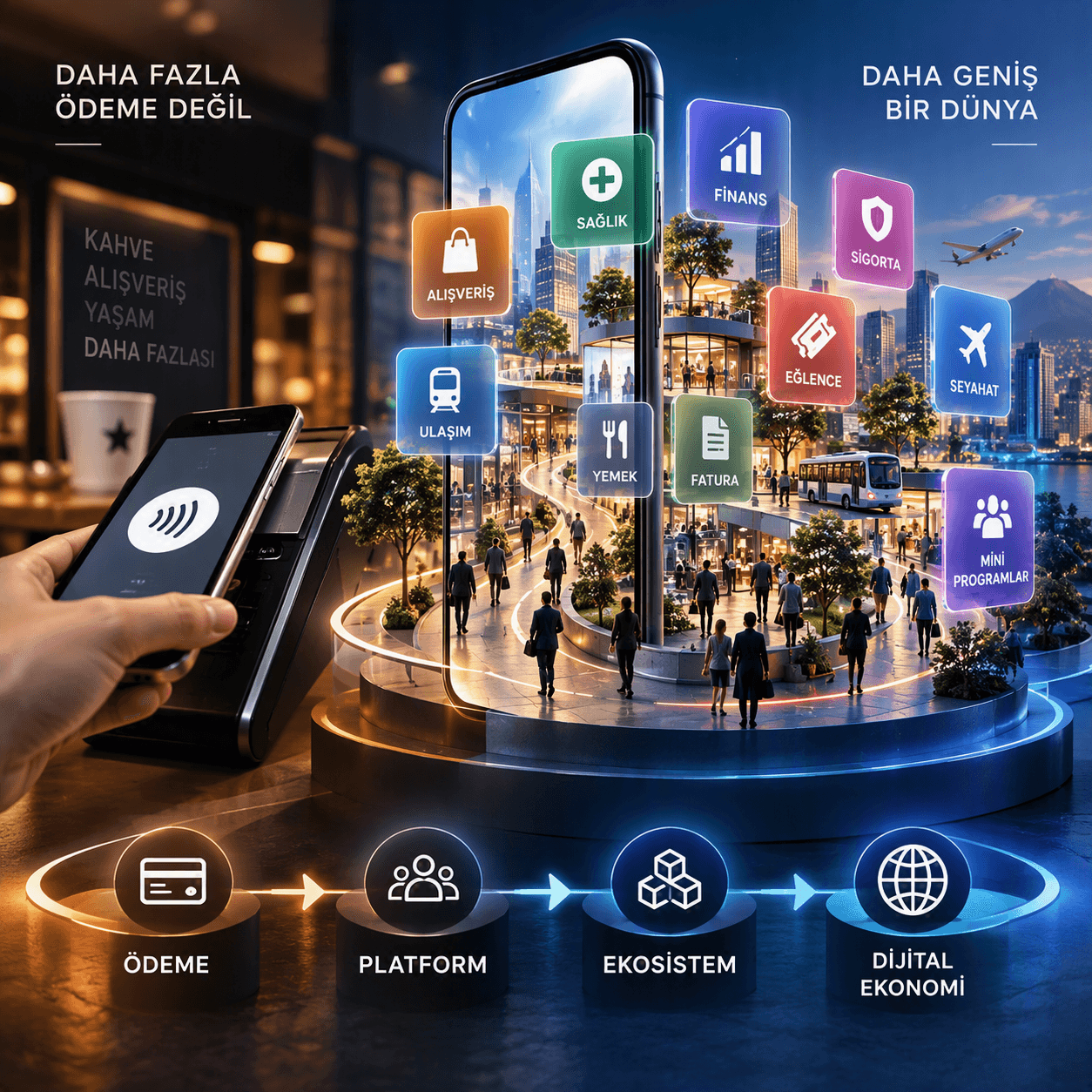
Diagram illustrating how bank fraud detection systems analyze transactions

Fraud

How Do Fraud Applications Work?

Fraud management is used to detect possible fraud on customer accounts and provides additional security for transactions when necessary, making it one of the top priorities for banks.

Illustration of a closed-loop payment ecosystem growing through loyalty, data, and new services

Closed-Loop Payments

Why Do Closed-Loop Payment Systems Want to Grow? | Series #6

Why does a coffee chain build its own loyalty program, and why does a payment app keep adding services? This post looks at how loyalty, data, and new services drive the growth of closed-loop payment systems, and at the financial layers behind that growth.

Diagram illustrating the structure of an ISO 8583 message field

ISO 8583

ISO 8583 Field Descriptions (F14)

F14 - DATE, EXPIRATION DATE: the expiration date printed on the card by the issuing bank, a 4-digit numeric value in YYMM format. See how it's checked and why the YYMM order matters.

Payment terminal screen displaying the Application Label of a card

Credit Card

What Is Application Label?

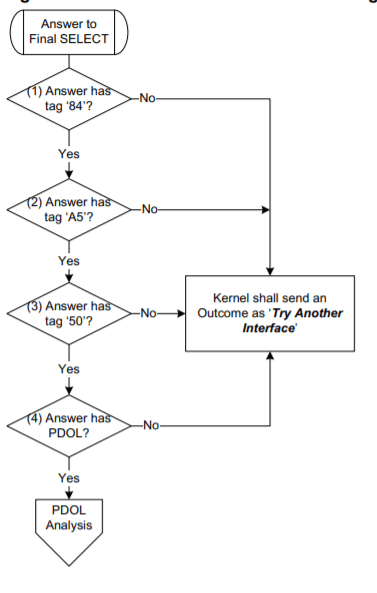
A mandatory alphanumeric field, 1-16 characters, sent in tag 50 of EMV transactions, representing a name related to the card application's AID in the ADF.

Illustration explaining how NFC technology enables contactless payments

HCE

What Is NFC?

NFC, known as Near Field Communication, is a technology that transfers data wirelessly between devices within 10 cm. It is used for data transfer, device pairing, and as the basis of contactless payments.

Illustration representing the DCI debit credit indicator distinguishing card types in a transaction

Credit Card

What Is DCI (Debit/Credit Indicator)?

DCI (Debit/Credit Indicator) is a flag that shows whether a transaction was made with a credit card or a debit card. With the arrival of prepaid cards, it began to be used as DCPI (Debit/Credit/Prepaid Indicator). Is DCI sent in the authorization message?

HCE mobile payment PIN strategies

HCE

What Are the PIN Strategies in HCE?

There are three types of PIN strategy in HCE (Host Card Emulation): No PIN, Card PIN and Wallet PIN or customer biometric data. Each balances user experience and security differently.

Check-out button on an online payment screen

Security

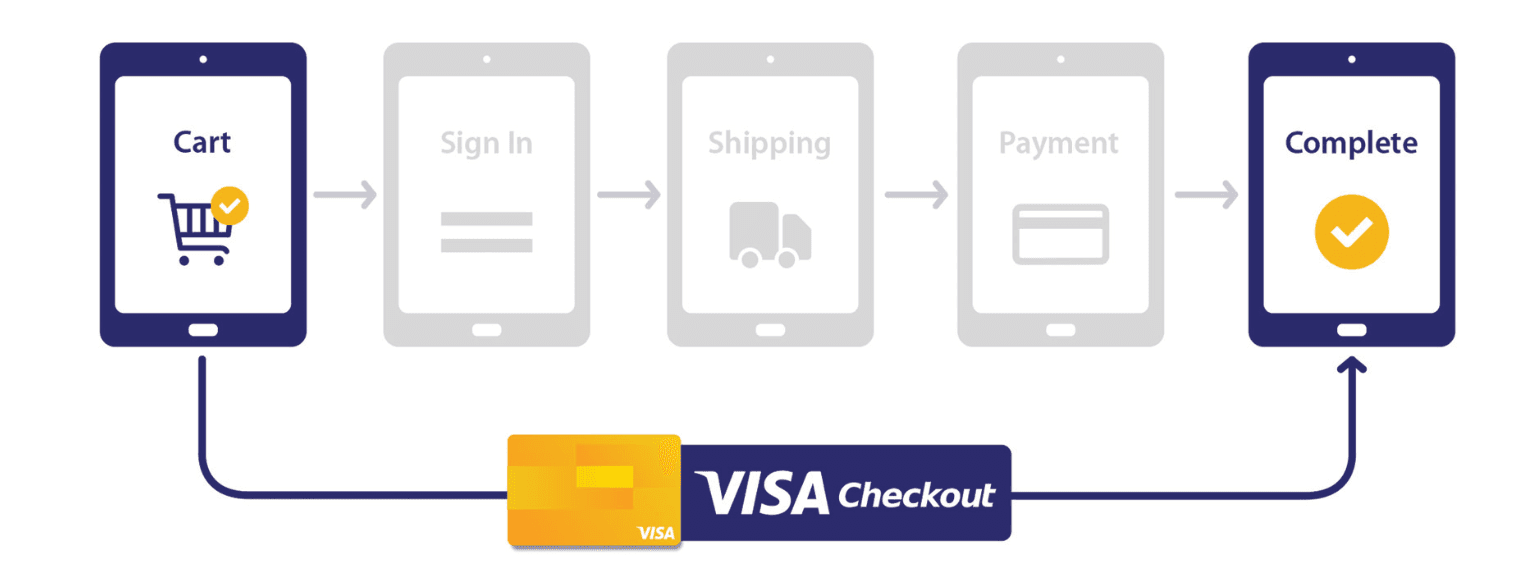
What is Check Out?

In online shopping, converting product browsing into a completed sale after a customer visits your site is just as critical. The amount of purchases abandoned due to friction in the online buying process often exceeds successful sales.

Illustration of ISO 8583 message field layout used for field F47

ISO 8583

ISO 8583 Field Descriptions (F47)

F47-ADDITIONAL DATA (NATIONAL) is the field reserved for domestic additional information. In Turkey, it carries the BKM Unique ID in authorization transactions and data specific to KKPT (card-to-card transfer) transactions.