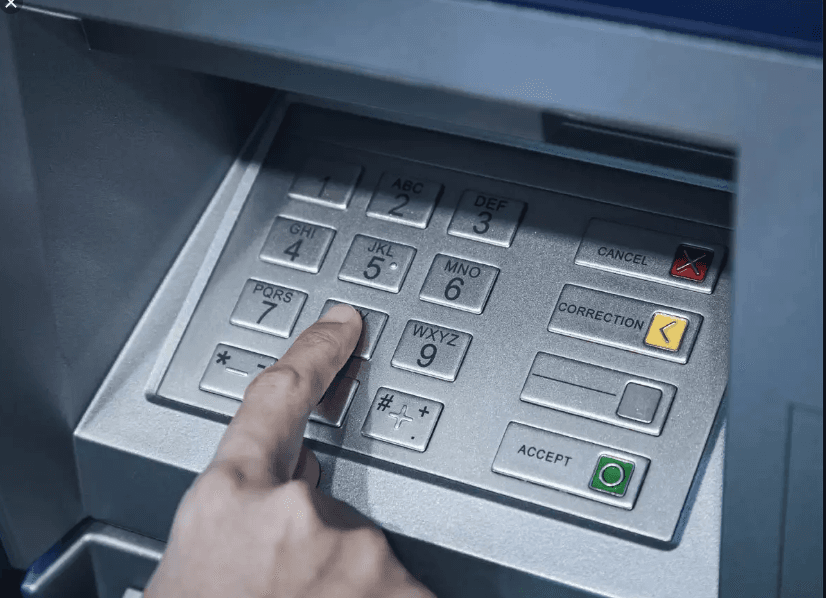
ATM
Is It Possible to Withdraw Cash from ATMs with the New ID Cards?
Chip-based ID cards have made our identities more secure, so they can now be used in many critical transactions. Could they also be used in the world of payments, such as at ATMs?
Search
175 articles found
ATM
Chip-based ID cards have made our identities more secure, so they can now be used in many critical transactions. Could they also be used in the world of payments, such as at ATMs?
Credit Card
Post-purchase installment conversion lets credit card purchases and cash withdrawals be split into installments afterward for a fee. See the rules and limits banks apply.
ATM
The word literally means recycled or circulating. In payment systems, it refers to physically dispensing money deposited at ATMs to customers who want to withdraw cash, adding deposits straight into the withdrawal pool.
ATM
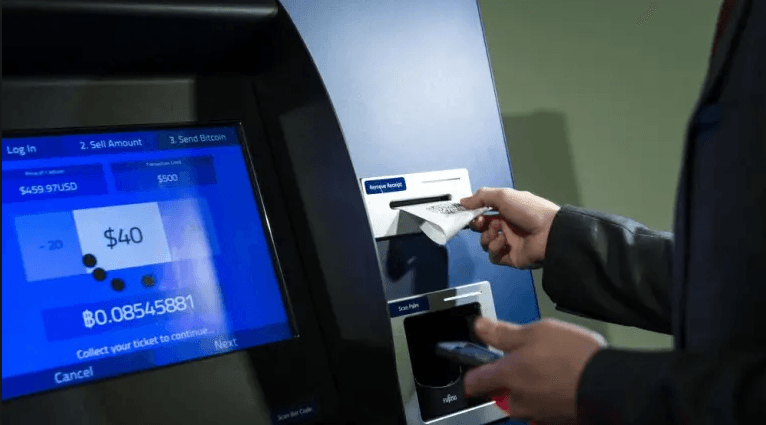
Banks must provide the infrastructure for ATM access by customers with orthopedic disabilities. Not every ATM has to comply: at least two out of every 100 ATMs a bank operates must be suitable. This post explains the details of the regulation article.
ATM
Banks must provide the infrastructure for ATM access by visually impaired customers. Among ATMs side by side or less than 50 meters apart, only one needs to comply; all other ATMs must serve visually impaired customers. Details of Article 7 are below.

Payment Institutions & E-Money
A payment institution is a legal entity authorized under the Law to provide and execute payment services. It must be a joint stock company meeting the conditions in Article 14 of Law No. 6493. This post sets out the services listed in Article 12 and the exclusions.
Merchant & POS
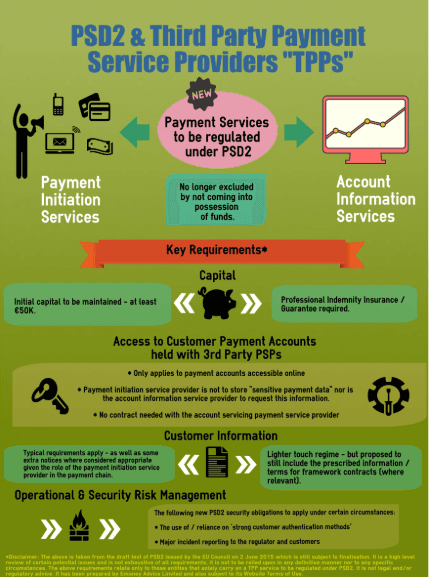
PSD stands for Payment Services Directive, known as the Payment Services Law. It took effect in EU countries in 2009, and in 2015 new revisions were announced as PSD1, aiming to build an efficient, fast, secure, and competitive payment market.
Credit Card
DCI (Debit/Credit Indicator) is a flag that shows whether a transaction was made with a credit card or a debit card. With the arrival of prepaid cards, it began to be used as DCPI (Debit/Credit/Prepaid Indicator). Is DCI sent in the authorization message?
Merchant & POS
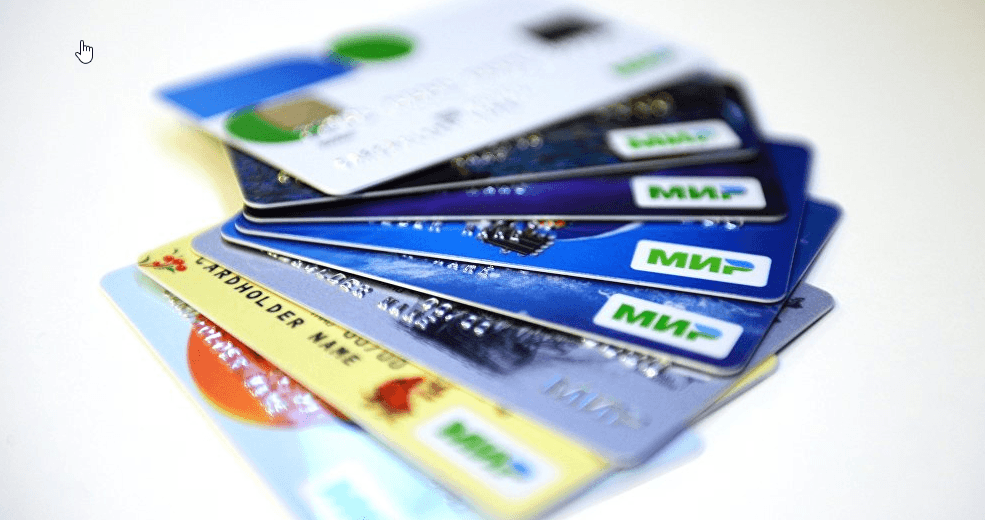
In Turkey, there are 3 payment schemes we are used to seeing: MasterCard, Visa, and Troy. American Express and Diners Club are also used, though less widely. Russia's Central Bank recently said two Turkish banks are preparing to accept Mir cards.

Merchant & POS
A surcharge is a fee, charge, or tax added to the cost of a good or service. In payment systems, it refers to adding the merchant's transaction commission to the cash sale amount on credit card transactions, resulting in a higher charge.

Merchant & POS
An offline transaction is one in which the card and POS terminal approve the transaction based on their own parameters, without contacting their banks. Whether contact or contactless, the device decides whether the transaction is processed offline.
Credit Card
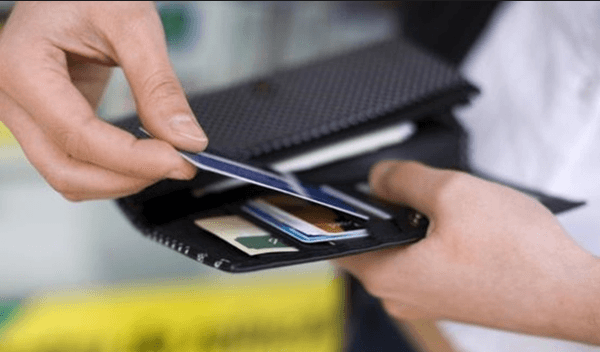
As credit card use grows, so does the importance of raising your limit to keep pace with inflation. Learn how periodic limit increases work, who qualifies, and the legal caps that apply.