Skip to content

Search

"information systems"

272 articles found

Diagram showing how card transaction data flows through the ISO 8583 messaging standard

Merchant & POS

What is ISO 8583?

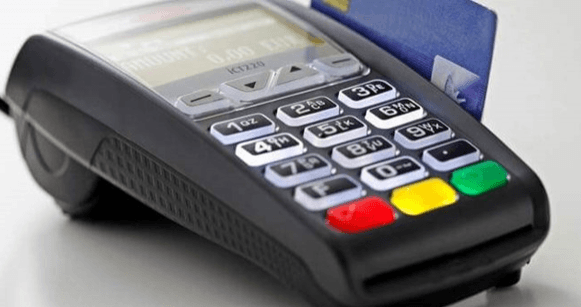
Introduction: When a card (credit card/debit card/prepaid card) is used at an ATM or POS, data must be carried securely between systems. For example, in a store sale, the POS initiates the transaction, which must reach the cardholder's bank intact.
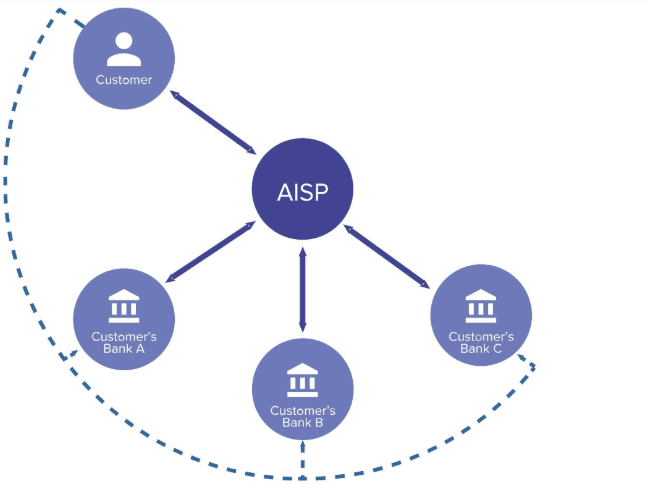
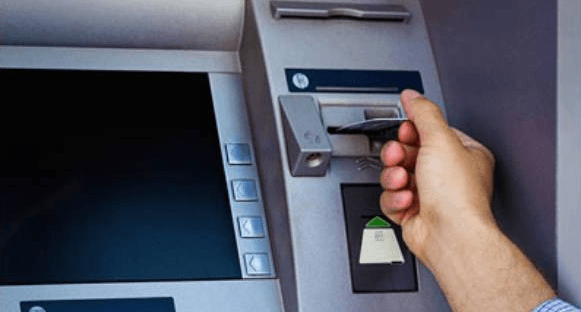
Diagram showing the structure of an ISO 8583 message

ISO 8583

What Fields Make Up ISO 8583?

We covered the ISO 8583 basics in an earlier article. This post explains the ISO 8583 message structure in detail: every ISO 8583 message consists of three main parts - the MTI (Message Type Indicator), the Bitmap, and the Data Elements.

Illustration of Third Party Provider (TPP) roles in Open Banking, including PISP and AISP

Payment Institutions & E-Money

What is a Third Party Provider (TPP)?

The term 'Third Party Provider' refers to an authorized online service provider introduced under Open Banking. These are systems outside a customer's relationship with their bank that mediate the transaction. So how many types of third party provider are there? Two.

ATM card reader unit

ATM

What are an ATM's Input and Output Units?

The units that let an ATM receive data are called Input Units, and the units that display data are called Output Units. Learn about the card reader, keypad, speaker, display, receipt printer, and cash dispenser.

Mobile phone used to accept payments through the Secure Mobile Payment System

Merchant & POS

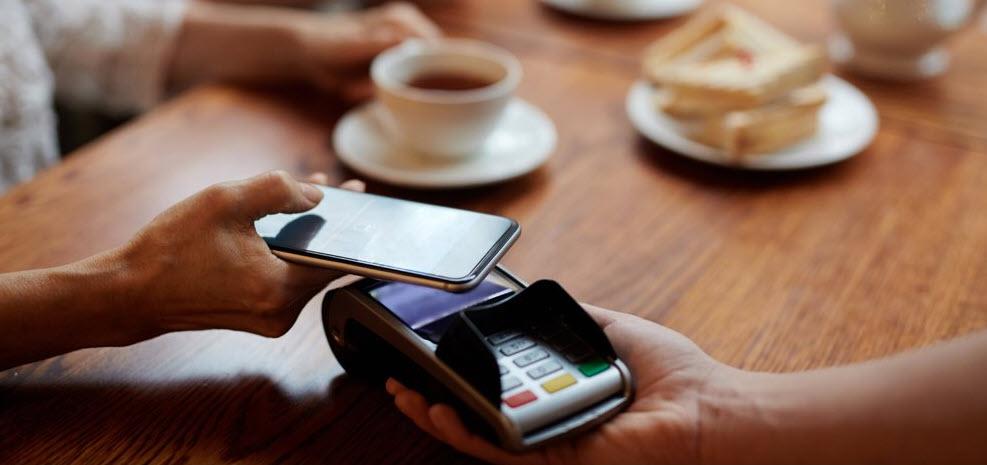
What Is Secure Mobile Payment?

The Secure Mobile Payment System is a system permitted by the Ministry, operated under the Revenue Administration (GIB) Communiqué, for sales, payment and collection transactions and the electronic creation, transmission and retention of the related financial documents.

Illustration of Host Card Emulation (HCE) enabling contactless mobile payments

Online & Authorization

What Is HCE?

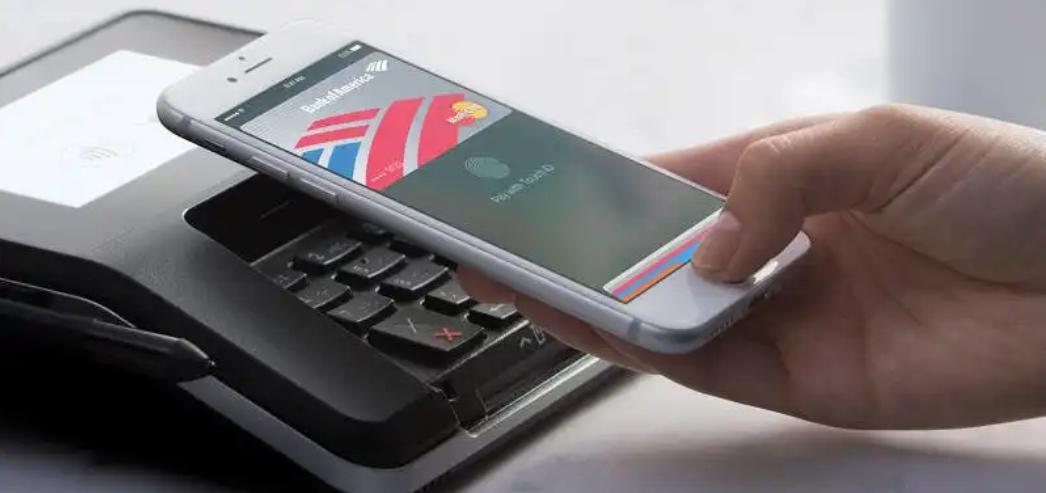
HCE lets a mobile device's operating system emulate the cards we use daily (credit, debit, gift cards, etc.) to make contactless payments via NFC. In other words, our phones behave like the cards we use for payments.

Bitcoin coin symbol illustrating the first cryptocurrency

Cryptocurrency

What Is Bitcoin?

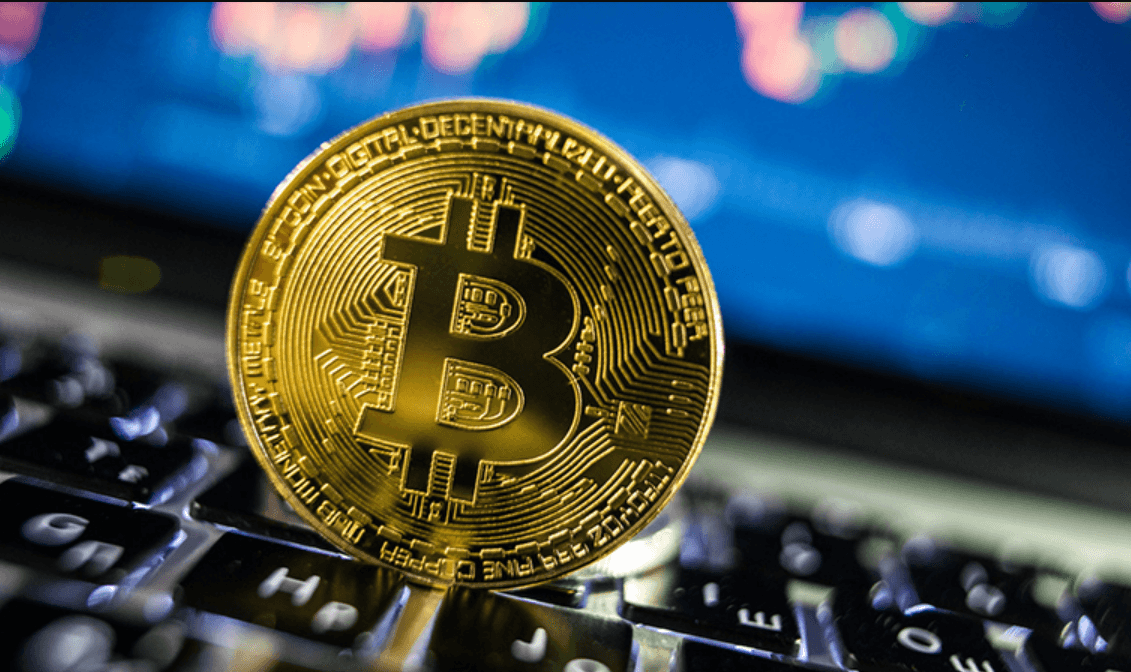
Bitcoin is a digital currency launched experimentally in 2009 by Satoshi Nakamoto. It has no ties to any central bank, can be bought and sold with national currencies and can be transferred without any intermediary.

Credit card statement showing an unrecognized transaction

Credit Card

Is Your Card Making Purchases Without Your Knowledge?

While reviewing your credit card statement, you suddenly notice a transaction you never made. What would you think? Is your card going shopping while you sleep? Let's look at how this can happen and what to do about it.

Diagram illustrating how parameters such as BIN lists and keys are loaded onto a POS terminal

Merchant & POS

What Does Loading Parameters onto a POS Mean?

Loading parameters onto a POS transfers BIN lists, key data, and refund/cancellation authorizations from the management system onto the terminal. Learn how and when it happens.

Diagram illustrating the ISO 8583 F7 transmission date and time field

ISO 8583

ISO 8583 Field Descriptions (F7)

F7 - TRANSMISSION DATE AND TIME: the field containing the moment the initiating party started the transaction. It is a 10-character numeric value in MMDDhhmmss format.

Mifare contactless smart card

Debit Card

Features of Mifare Cards

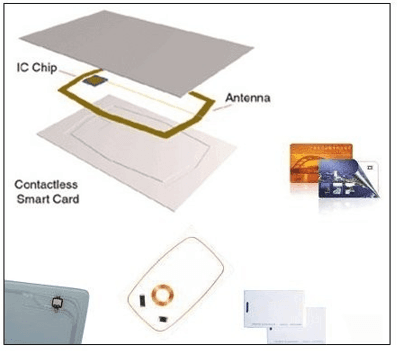
We previously explained detailed information about Mifare cards at the link below: https://unalarif.com/yazi/mifare-kart-nedir/ Now let's list the technical features of Mifare cards.

Illustration of ISO 8583 message field layout used for field F37

ISO 8583

ISO 8583 Field Descriptions (F37)

F37-RETRIEVAL REFERENCE NUMBER is a code generated by the bank that initiates a transaction, used to uniquely track it. It is a 12-character alphanumeric value.