Skip to content

Search

"card systems"

345 articles found

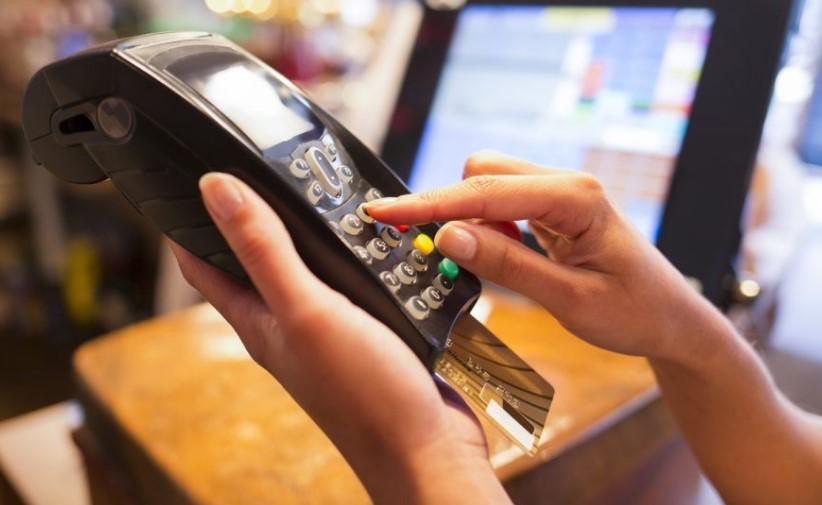
POS terminal used for card payment transactions

Merchant & POS

What is On-Us Leakage?

On-Us Leakage is a term used in the world of payment systems. On-us means the card-issuing bank and the POS-acquiring bank are the same. So what does on-us leakage mean in this context?

Diagram of PIN Encryption Key (PEK) structure

HSM & Security

What is PEK (Pin Encryption Key)?

PEK is the abbreviation for Pin Encryption Key. The role of PEK is to encrypt PINs. There are two types of PEK: TPK (Terminal Pin Key) and ZWK (Zone Working Key).

Diagram illustrating the PIN Try Counter concept on a payment card chip

Credit Card

What Is PIN (Personal Identification Number) Try Counter?

The PIN Try Counter is a value stored on the card's chip showing the number of remaining offline PIN attempts. Each incorrect offline PIN entry decreases it by 1, and it resets when the correct PIN is entered.

Diagram illustrating how parameters such as BIN lists and keys are loaded onto a POS terminal

Merchant & POS

What Does Loading Parameters onto a POS Mean?

Loading parameters onto a POS transfers BIN lists, key data, and refund/cancellation authorizations from the management system onto the terminal. Learn how and when it happens.

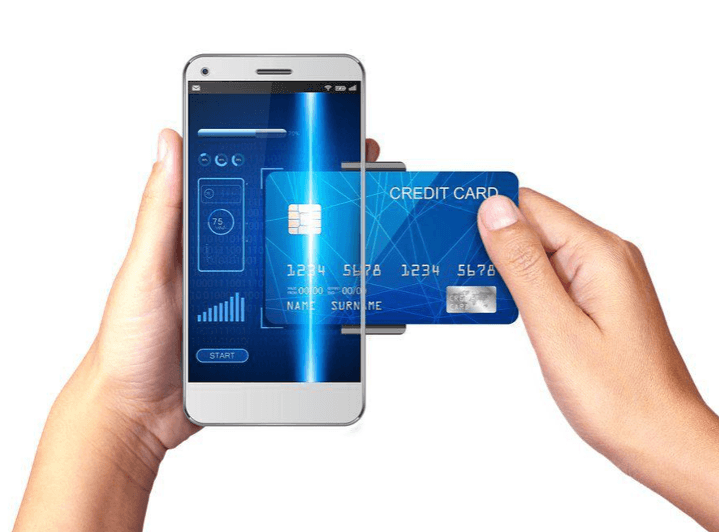
Contactless card payment at an overseas POS terminal that prompts for a PIN after a limit is exceeded

Payment Systems

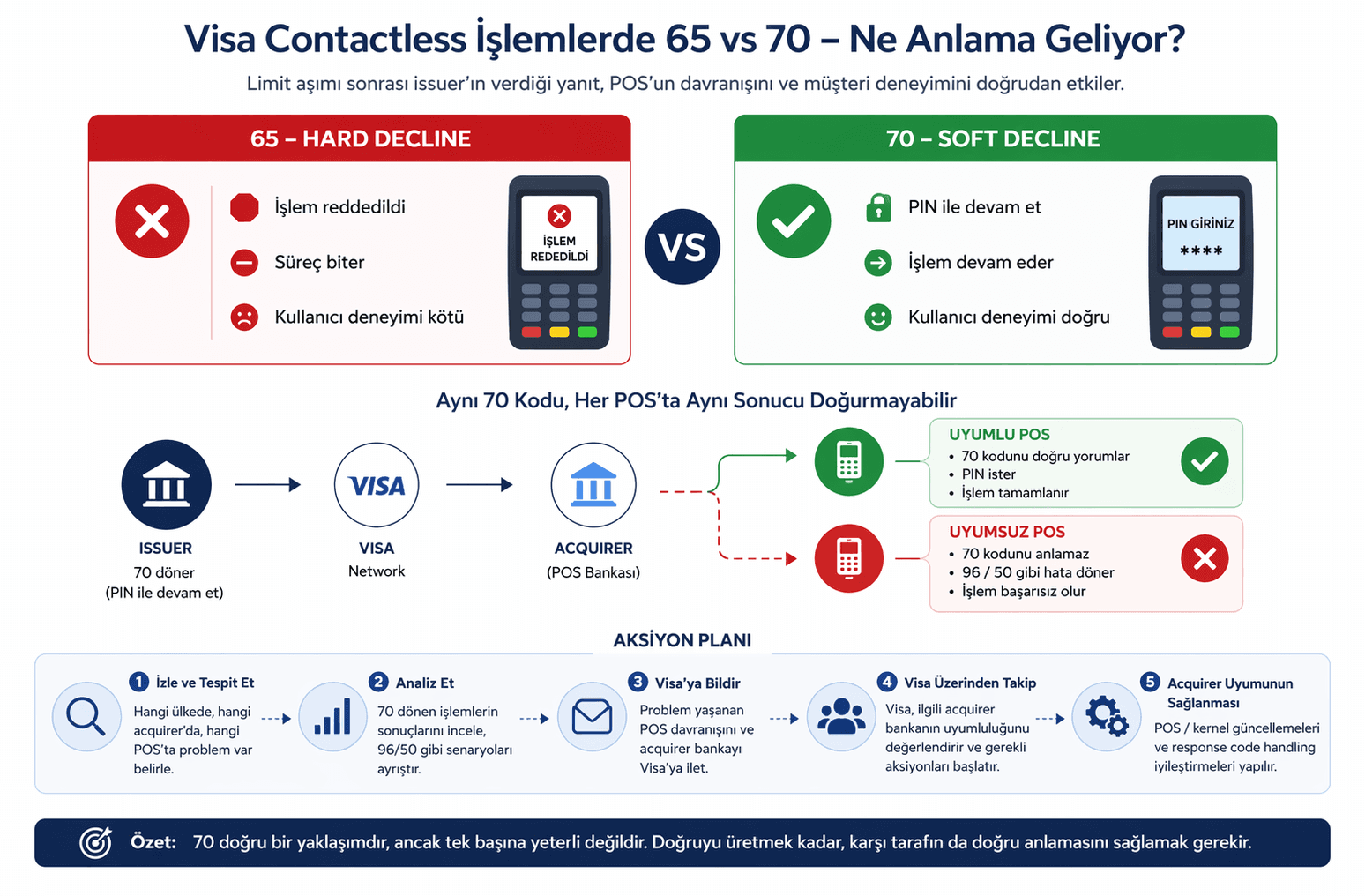
Visa Overseas Contactless Transactions – After Code 70 (Part 2)

After switching to response code 70 for contactless limit-exceeded cases, we found that some overseas POS devices and acquirers did not handle it as expected. This post covers why the problem lies in the ecosystem and how to address it.

Check-out button on an online payment screen

Security

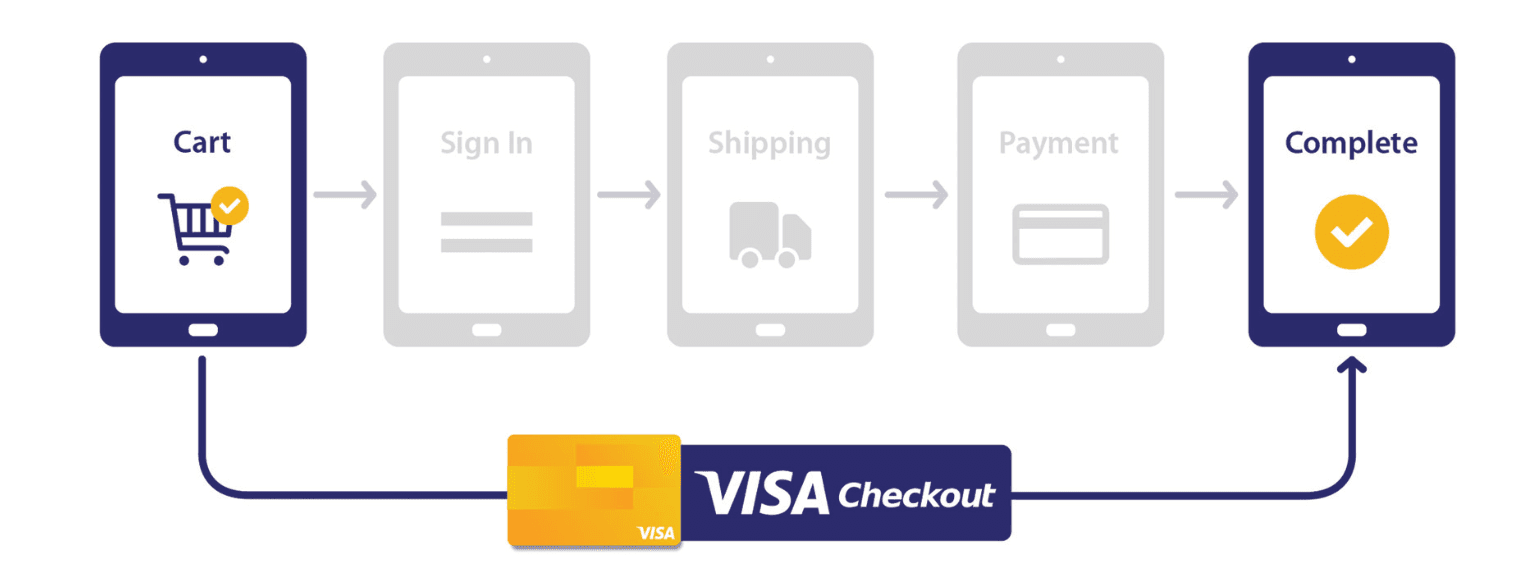
What is Check Out?

In online shopping, converting product browsing into a completed sale after a customer visits your site is just as critical. The amount of purchases abandoned due to friction in the online buying process often exceeds successful sales.

Illustration of an AI-based payment agent making payments automatically on behalf of a user

Payment Systems

What Are AI-Based Payment Agents?

Digitalization keeps changing the speed and shape of payments. AI-based payment agents pay on their own within user-defined limits and rules, completing transactions without the user initiating any action. This post explains how they work and what to watch for.

Physical credit card compared with a virtual card on a mobile phone

Credit Card

Physical or Virtual Credit Card: Which Do You Prefer?

Digitalization is reshaping payment systems. Credit cards are moving from physical plastic to virtual cards, e-wallets and mobile payments. Will physical card use disappear completely? Here is a look at the trends, Generation Z and the remaining gaps.

Diagram of the EMV application selection flow between the terminal and the card

Merchant & POS

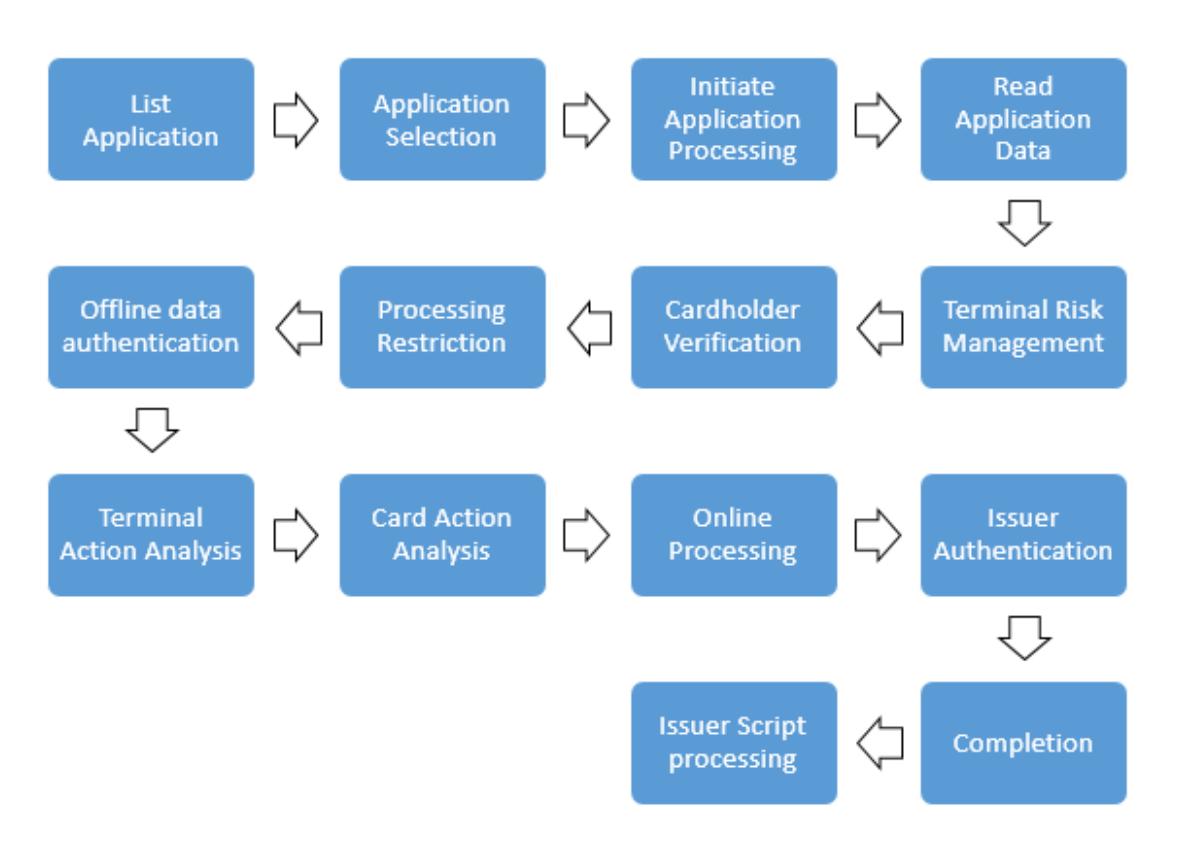
EMV Chip Transaction Processing - What Is Application Selection?

In EMV transactions, Application Selection is the process of choosing among the applications supported by both the card and the terminal. It is the first stage of authorization, so it is very important. This post covers the PSE and List of AIDs methods.

Illustration representing an AI agent making a payment

Agentic Commerce

Agentic Commerce Series – Part 4

Are We Ready to Give an AI Agent the Authority to Make Payments? Having long looked at complaint and dispute processes in payment systems, I think granting an agent payment authority is far different from research or product selection.