Merchant & POS
What is BKM TechPOS?
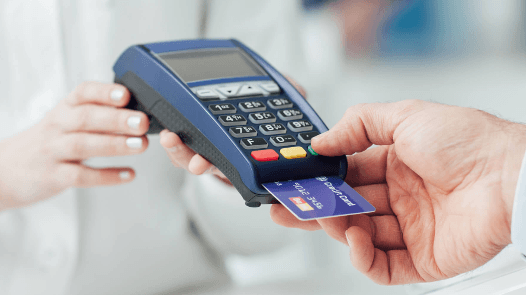
BKM TechPOS is an infrastructure through which card acquirers and POS/cash register manufacturers can interoperate via BKM, letting all participating banks provide card acceptance services on a single device.
Search
51 articles found
Merchant & POS
BKM TechPOS is an infrastructure through which card acquirers and POS/cash register manufacturers can interoperate via BKM, letting all participating banks provide card acceptance services on a single device.
Credit Card
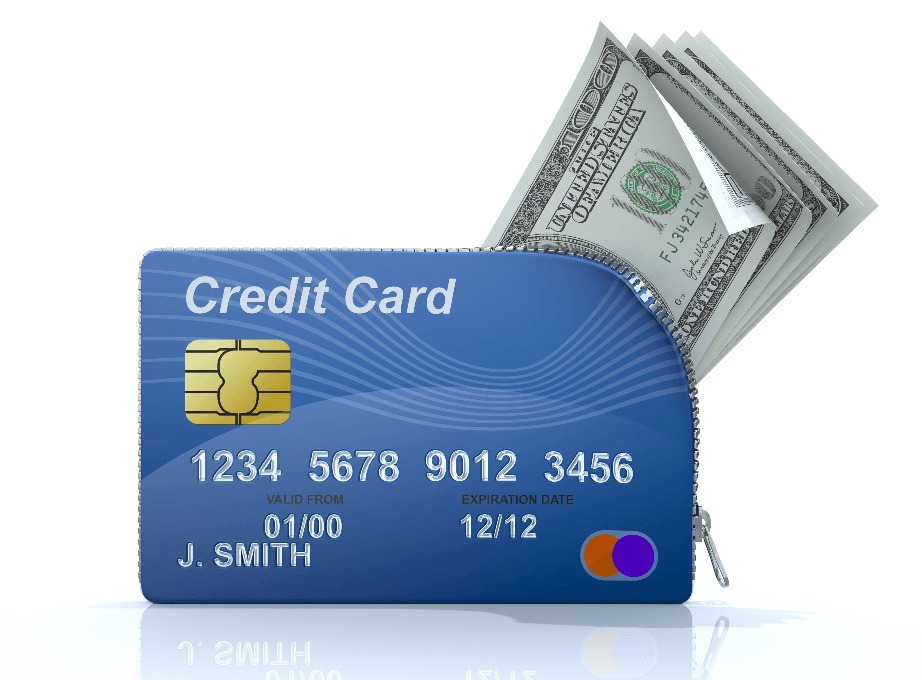
A credit card is a printed card, or a card number with no physical form, that allows the purchase of goods and services or cash withdrawal without using cash. So how are credit card limits set and managed? Setting a limit involves checking many parameters about the customer.
Merchant & POS
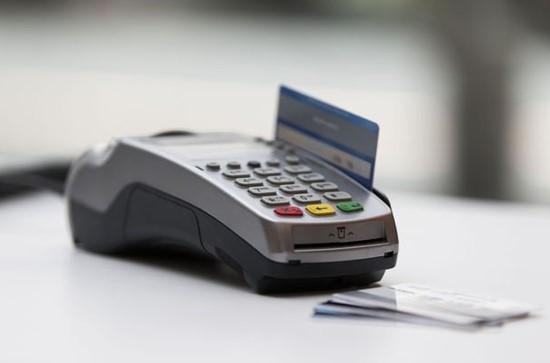
There are many players in the POS and OKC (Payment Recording Device) market in Turkey. Some of these companies are foreign, while others are domestic. Let's get to know these companies: Ingenico, Verifone, Interpay (PAX), and more.
Credit Card
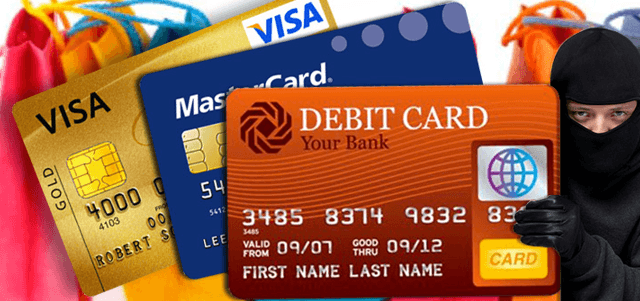
Business customers can be issued an ATM card, known as a Business Debit Card. The cardholder must be the person authorized to act legally on behalf of the company, since the card operates on company accounts.
Credit Card
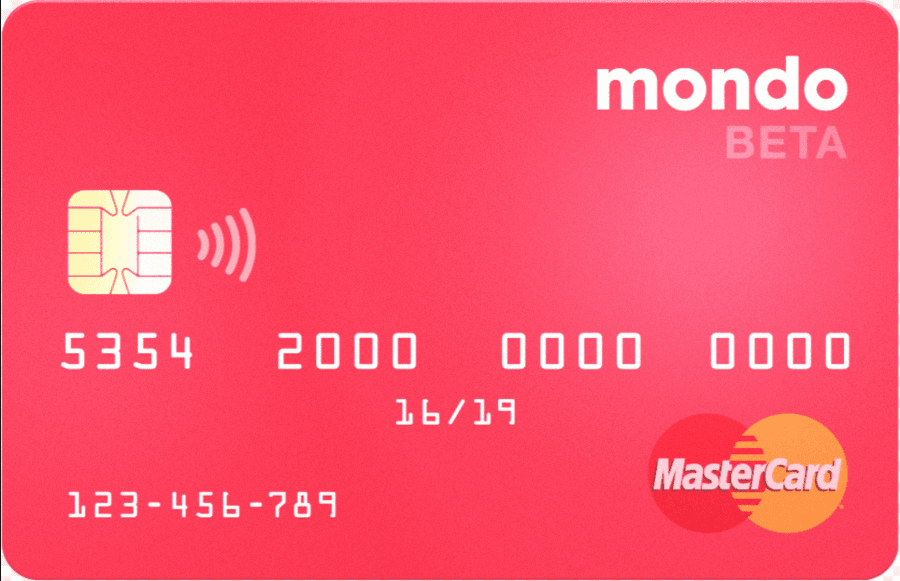
A prepaid card is a customized chip or chipless card that is not linked to a bank account and has no credit limit like a credit card. You can only spend up to the amount loaded onto the card.
EMV
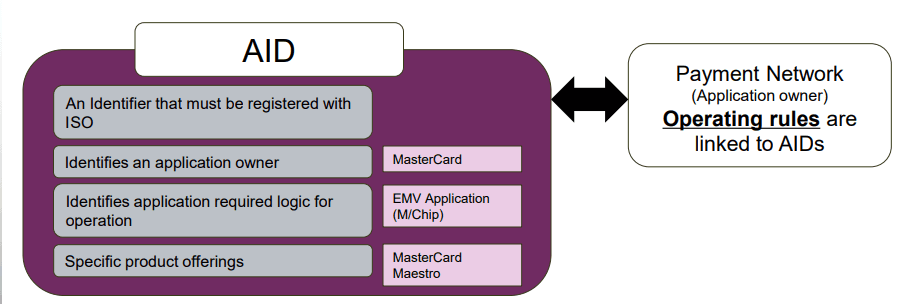
The AID tells the terminal which applications are present on a chip during a POS or ATM transaction. What does the AID do? It lets the terminal determine whether it supports an application on the chip. In Tag 9F06, it is 5-16 digits long.
Fraud
Fraud management is used to detect possible fraud on customer accounts and provides additional security for transactions when necessary, making it one of the top priorities for banks.
ATM
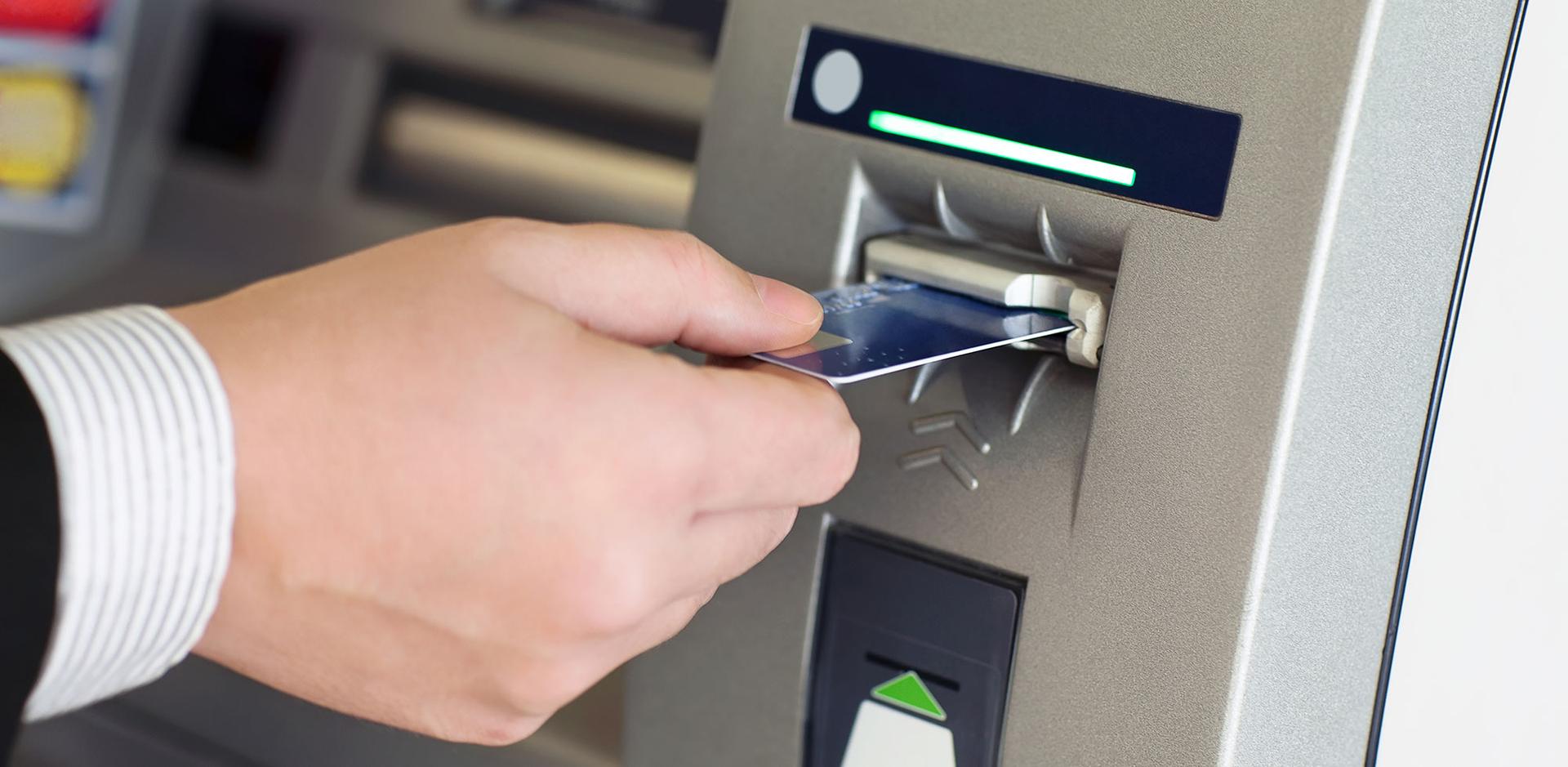
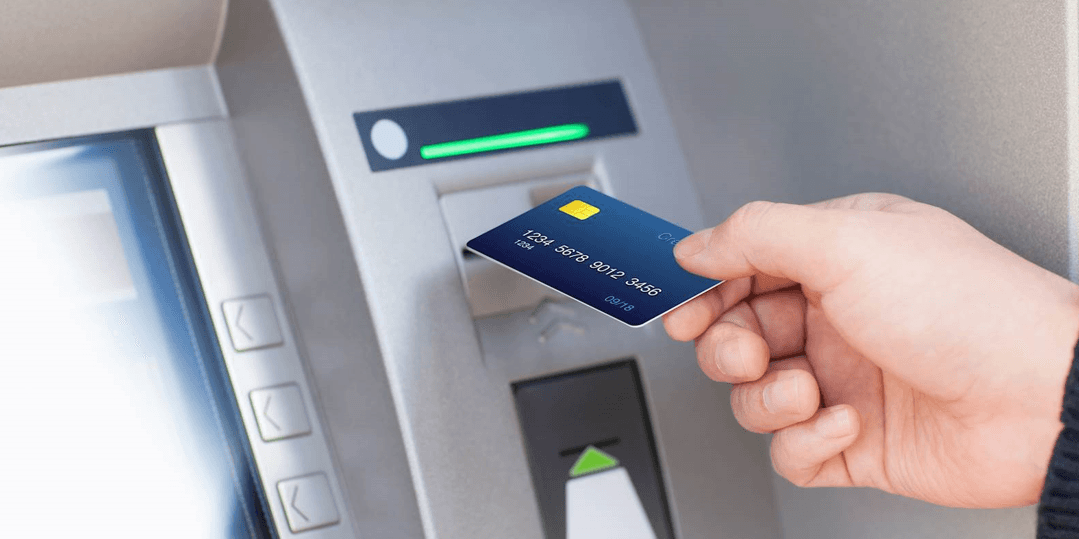
ATM stands for Automated Teller Machine, an electronic device that lets customers carry out account transactions with or without a card. It was invented in 1960 by John Shepherd-Barron. The first ATM in Turkey was installed in 1982.
ATM
Banks generally prefer to handle their own ATM software and operations. Some banks have third-party firms develop the software while handling operational processes themselves, so each bank ends up doing separate work for both.
Merchant & POS
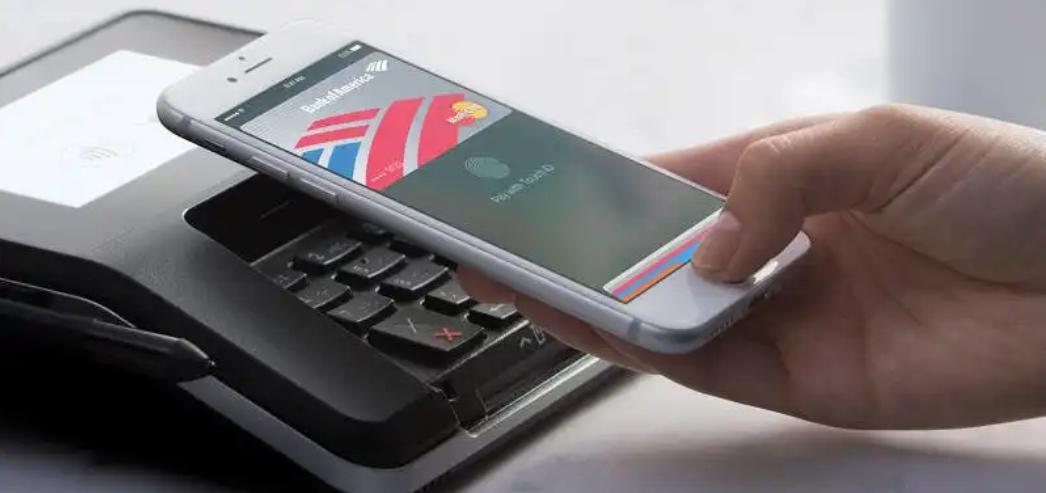
The Secure Mobile Payment System is a system permitted by the Ministry, operated under the Revenue Administration (GIB) Communiqué, for sales, payment and collection transactions and the electronic creation, transmission and retention of the related financial documents.
ATM
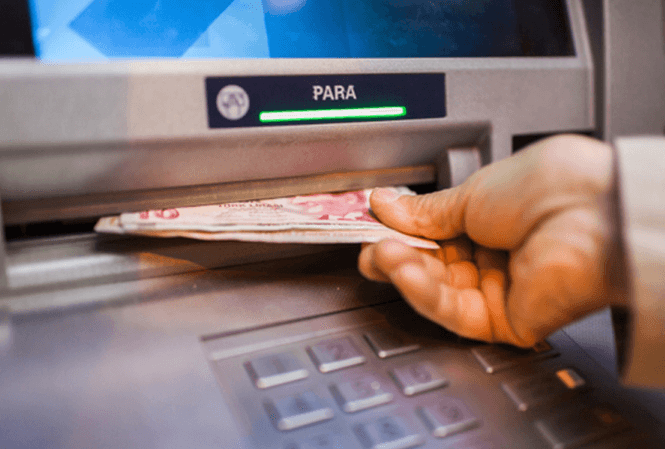
Like any physical device, ATMs have certain limits. Logically, it may seem like you could withdraw as much money as the ATM's cash cassettes can physically hold (10s, 20s, 50s, 100s, etc.), but that is not actually the case.
Payment Systems
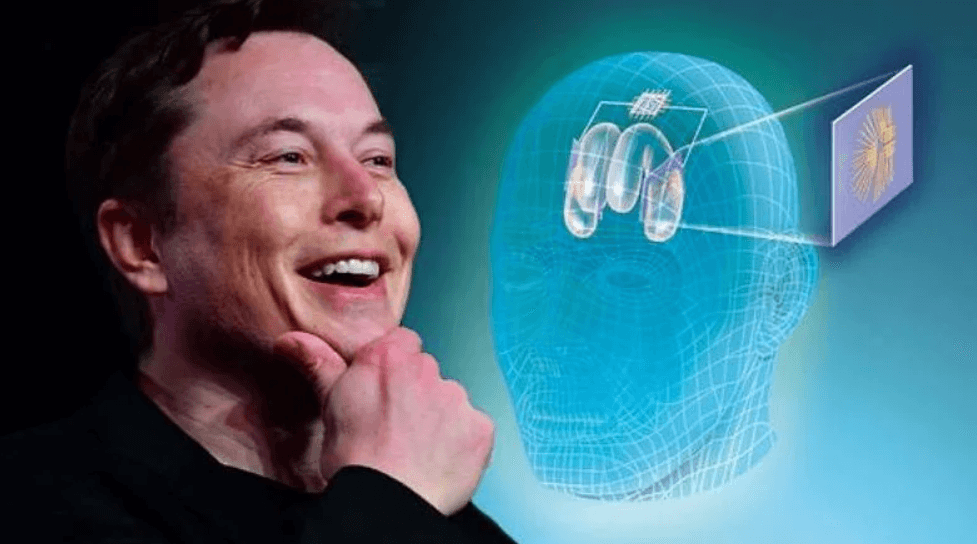
Elon Musk was set to unveil Neuralink, a brain-computer interface. What is Neuralink, and how might payment systems change if payments, cards, ATMs and POS devices move from phones to a chip in the brain?