
ISO 8583
ISO 8583 Field Descriptions (F38)
DE 38 (AUTHORIZATION IDENTIFICATION RESPONSE) is the authorization code generated when a transaction is approved. It is alphanumeric, 6 characters long, and left empty for declined transactions.
Search
62 articles found
ISO 8583
DE 38 (AUTHORIZATION IDENTIFICATION RESPONSE) is the authorization code generated when a transaction is approved. It is alphanumeric, 6 characters long, and left empty for declined transactions.

Merchant & POS
In EMV-based debit card transactions, PIN verification is decisive for both security and liability. What happens when a card that only supports online PIN is sent to the issuer without a PIN, and the issuer approves it? Who owns the risk?

Merchant & POS
Partial authorization lets an issuer approve part of the requested amount when the card lacks the full balance, with the rest paid another way. This post covers the technical, receipt, clearing, reconciliation, merchant and certification requirements for acquirers.
Online & Authorization
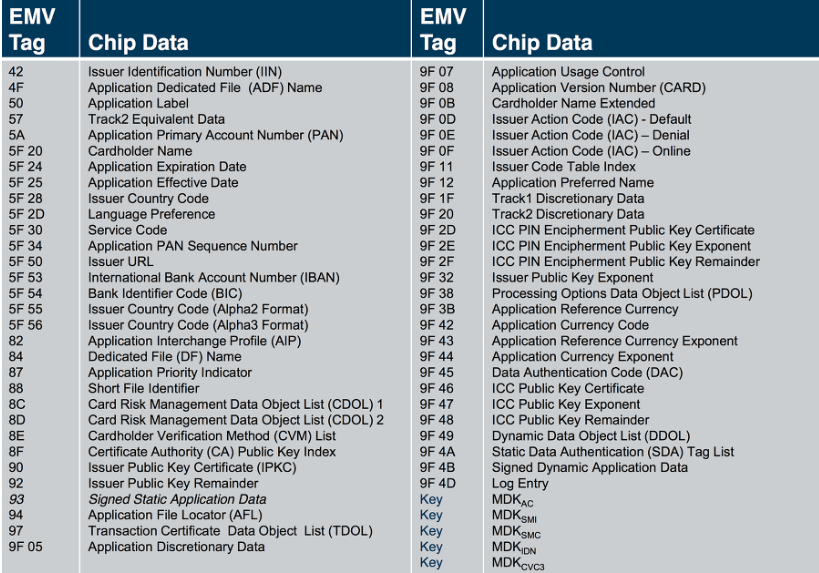
In EMV, data is stored in Tag-Length-Value (TLV) format, and it is carried between the card, the POS terminal, and the authorization system in this same format. This post lists every EMV Tag, its type, and its description.

Merchant & POS
CAVV and AAV are verification codes used in 3D Secure transactions to ensure transaction integrity and security. CAVV is used by Visa, while AAV is used by Mastercard.
ISO 8583
We covered the ISO 8583 basics in an earlier article. This post explains the ISO 8583 message structure in detail: every ISO 8583 message consists of three main parts - the MTI (Message Type Indicator), the Bitmap, and the Data Elements.
Payment Systems
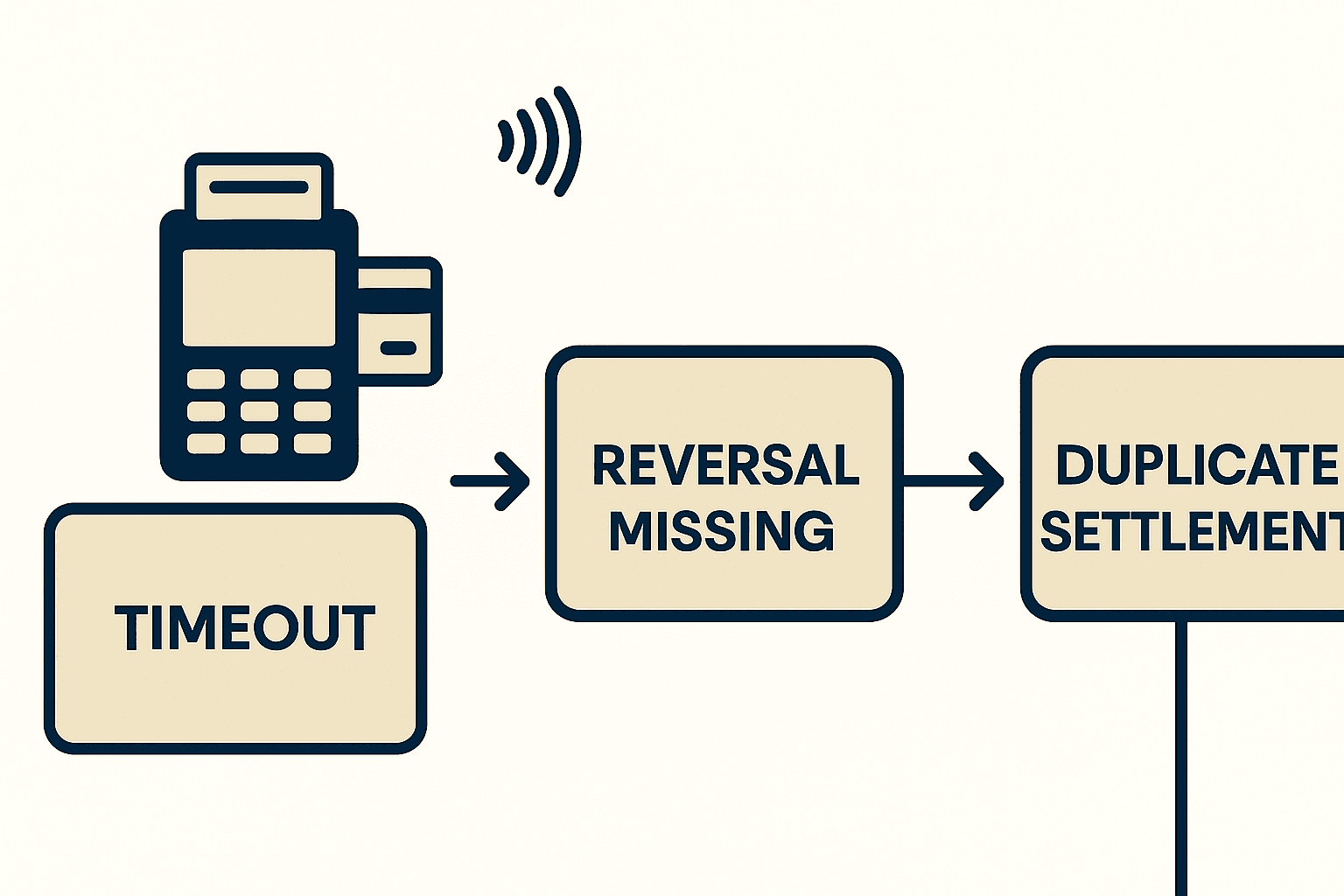
Every payment transaction completes in seconds, yet dozens of controls run behind the scenes. This post covers the precautions for authorization and clearing, the critical role of reversals, and the financial loss scenarios most often seen in the field.
Payment Systems
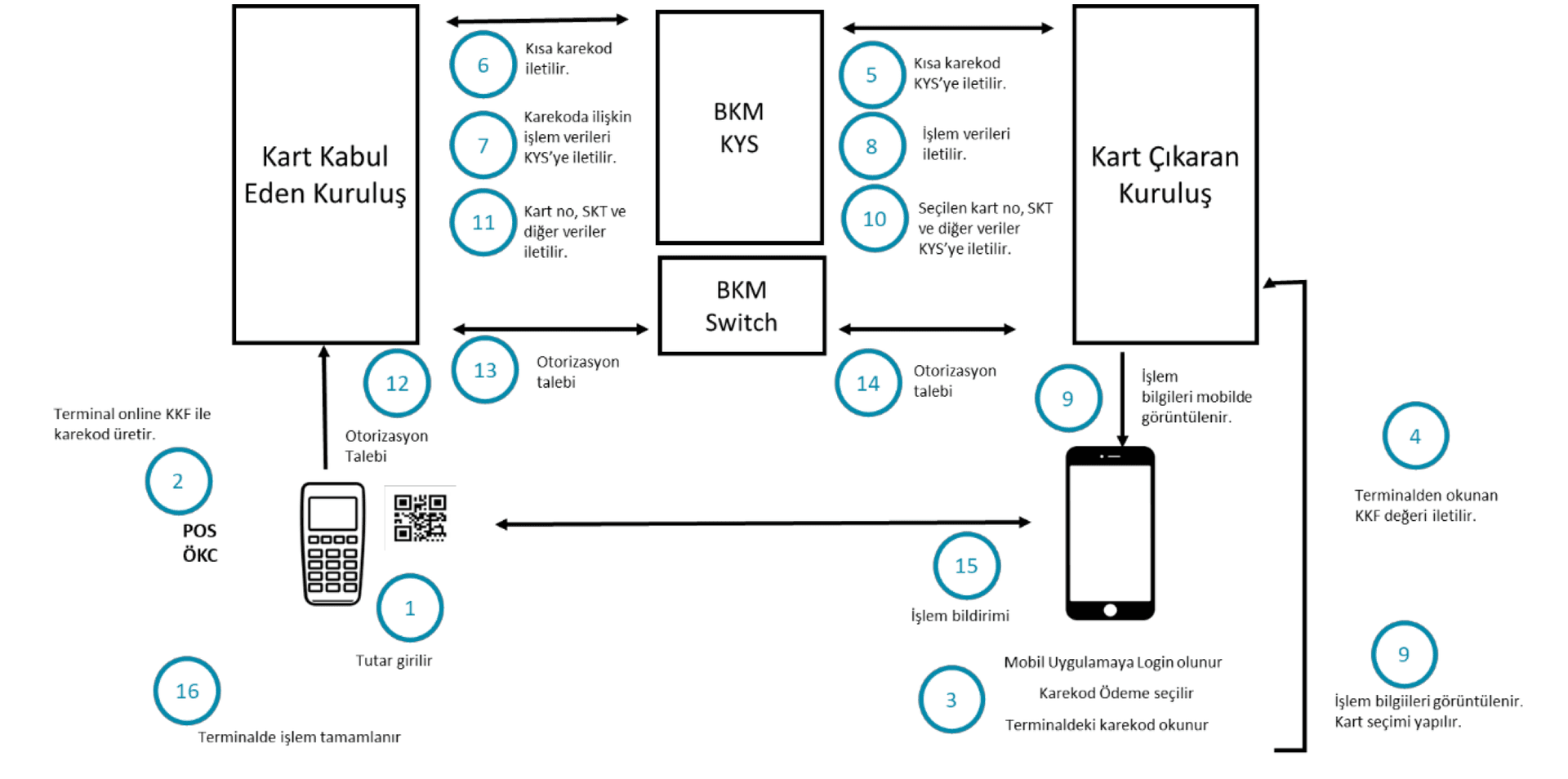
In payment or cash withdrawal transactions, the TR QR Code is generated by the POS or ATM. The card issuing bank must build its systems to read and act on this code. Errors usually stem from mishandling the long and short QR code flows, which are explained here.

Courier & Delivery
Courier companies and banks generally carry out the card distribution process through file exchanges. (Some banks also use web service integration; in that case the information normally sent via file is transmitted within the service.) With the courier...
Credit Card
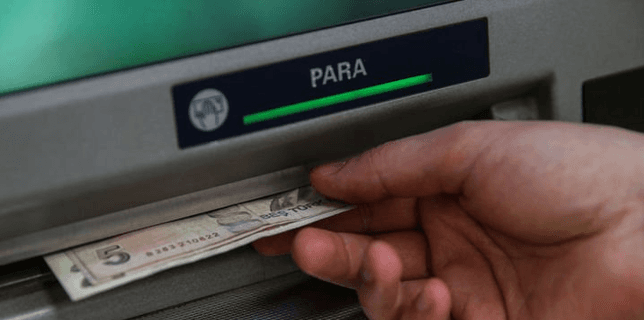
You start a transaction at an ATM and your card is returned, even though you think nothing is wrong. Here are the response codes usually used in these cases.
ISO 8583
F14 - DATE, EXPIRATION DATE: the expiration date printed on the card by the issuing bank, a 4-digit numeric value in YYMM format. See how it's checked and why the YYMM order matters.
Online & Authorization
A reference guide to authorization response codes seen on POS and ATM transactions, with plain-language explanations of what each code means and what to do about it.