Skip to content

Search

"Stored Card Data"

70 articles found

No image

Merchant & POS

BKM Releases Data for the First 6 Months of 2020

BKM publishes card usage data every three months. In the first half of 2020, card payments reached TL 500 billion, contactless payments tripled, and online card payments surged in the electronics and clothing sectors.
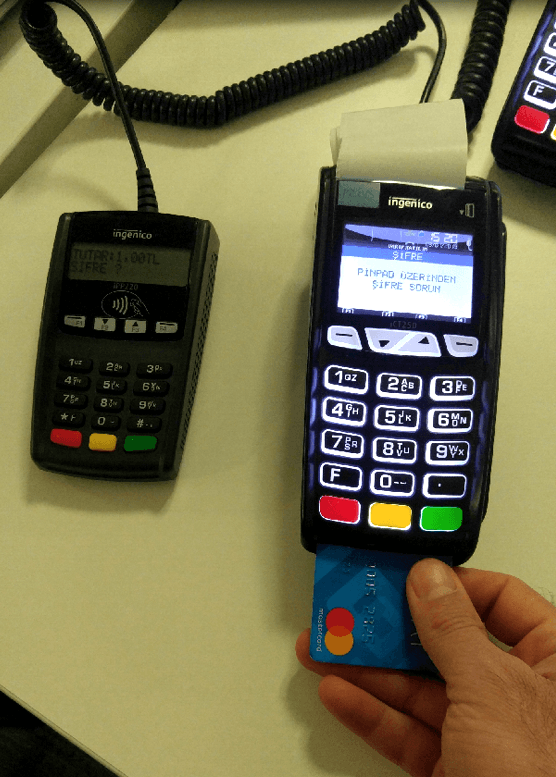
PIN pad device connected to a POS terminal

Merchant & POS

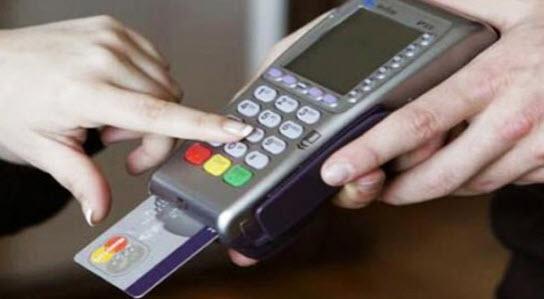
What Is a PIN Pad Device?

A PIN pad lets cardholders safely enter their PIN during POS transactions and lets contactless cards be tapped to transfer card data to the POS. Here is how it works.

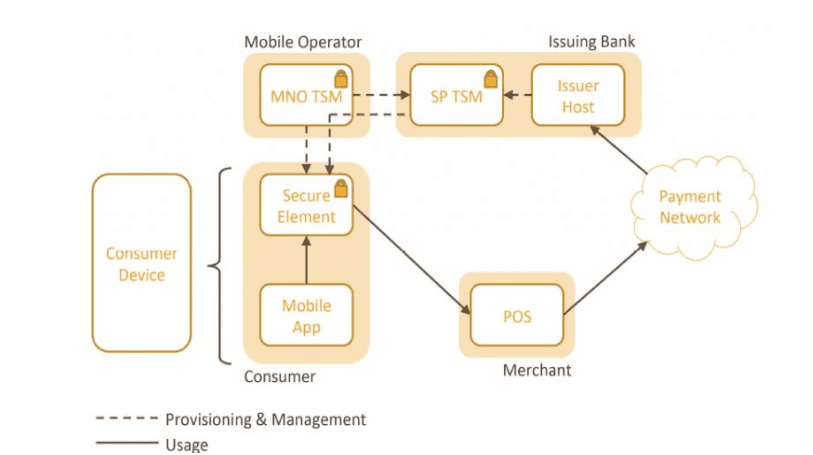
Diagram illustrating the role of a Secure Element Issuer in mobile payments

HSM & Security

What is a Secure Element Issuer?

Secure Element Issuer is the stakeholder that provides, maintains, and updates the secure element in cases where mobile payment application and card data are stored in the secure element inside a mobile phone.

Illustration representing credit card fraud and online payment security risks

Fraud

What is Fraud? What are the Types of Fraud?

With the growth of credit and debit card usage and rising e-commerce transaction volumes, there has been a serious increase in exploiting user negligence to harm customers. Fraud means using someone else's card at a merchant or ATM to gain unjust profit.

Diagram of chip card file structure showing MF, DF, and EF layers

EMV

What is Dedicated File Name (DFN)?

DFN is the abbreviation for Dedicated File Name. It defines the name of the DF (Dedicated File) as described in ISO/IEC 7816-4. It is the data found in Tag 84, 5 to 16 characters in length.

Illustration representing PIN Transaction Security (PTS) certified payment devices

Merchant & POS

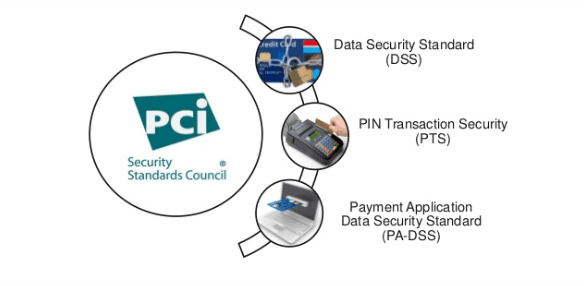
What is PIN Transaction Security (PTS)?

PIN Transaction Security (PTS) verifies that card data and PIN information are used for a payment transaction. It is a set of modular evaluation requirements managed by the PCI Security Standards Council for PIN-accepting terminals.

Diagram illustrating the tokenization and detokenization process for card payments

HCE

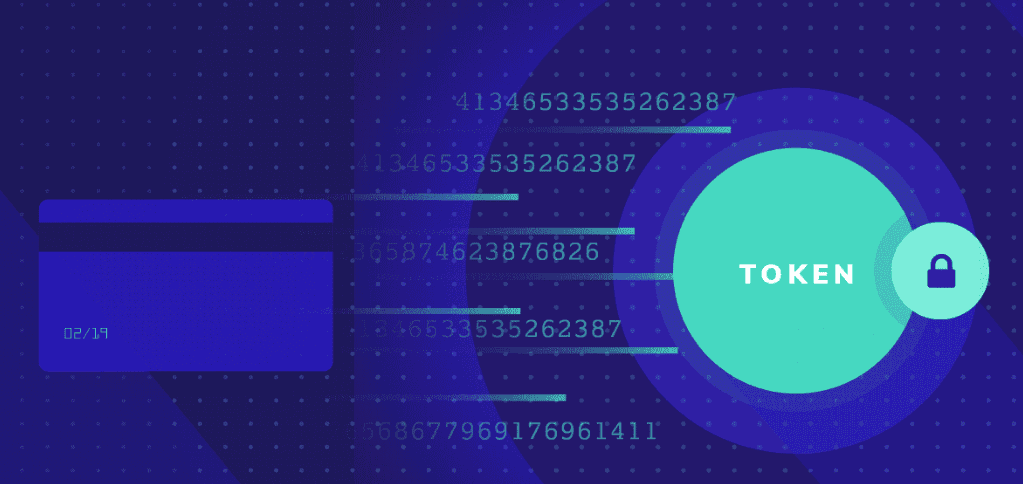
What Are Tokenization and Detokenization?

Tokenization generates secure data from a credit card number, using specific algorithms, for use during authorization. In CNP transactions, it removes the risk of storing or compromising the original card number.

Diagram showing the EMV chip card static data authentication (SDA) process

EMV

What is a Data Authentication Code (DAC)?

DAC is the abbreviation for Data Authentication Code. It is a piece of data assigned by the issuer and held by the terminal during the Signed Static Application Data verification process.

PCI DSS Qualified Security Assessor illustration

Security

What Is a Qualified Security Assessor (QSA)?

A Qualified Security Assessor (QSA) is a person approved by the PCI Security Standards Council to audit merchants for compliance with the Payment Card Industry Data Security Standard.

POS terminal processing an EMV chip card transaction

Credit Card

Application Interchange Profile (AIP)

The Application Interchange Profile indicates the application functions supported by the card. The AIP values and their descriptions are given below. Where is the AIP found? The AIP is a 2-byte piece of data stored on the card, carried under EMV tag 82.

Illustration showing how an Application Identifier (AID) is used in a chip card transaction

EMV

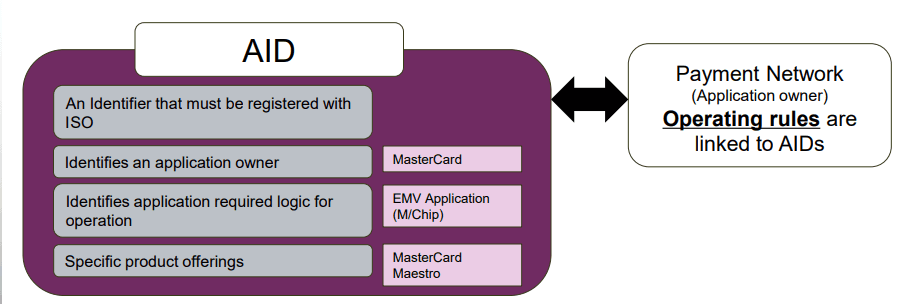
What is an Application Identifier (AID)?

The AID tells the terminal which applications are present on a chip during a POS or ATM transaction. What does the AID do? It lets the terminal determine whether it supports an application on the chip. In Tag 9F06, it is 5-16 digits long.