Credit Card
What Should I Do If My Card Details Are Copied?
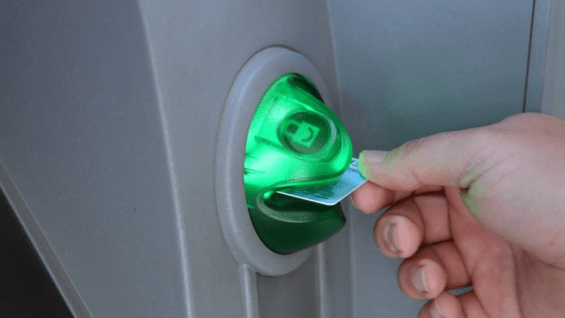
Card copying usually happens with magnetic stripe debit cards. As soon as you notice your card details have been copied, you can close the card, renew it or change its PIN.
Search
69 articles found
Credit Card
Card copying usually happens with magnetic stripe debit cards. As soon as you notice your card details have been copied, you can close the card, renew it or change its PIN.

ISO 8583
F61 - POINT OF SERVICE (POS) DATA: This field provides information about the specific status of the POS at the time of the transaction. Position Usage Attribute 1 POS Terminal Attendance Indicator 0 = Attended terminal (Valid for MasterCard debit card and Maestro transactions only).
Credit Card
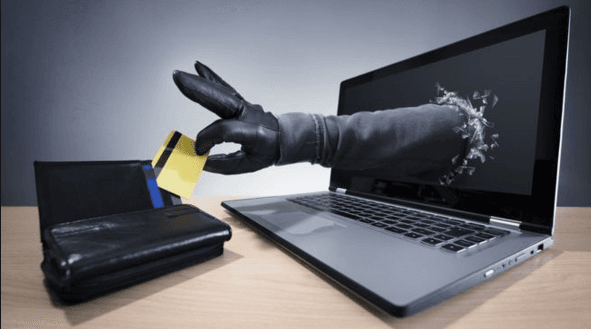
Credit card fraud is generally committed using the card itself, using card details without the card, via excess or duplicate withdrawals, or by seizing identity information. ATM card trapping is common, since ATMs hold the card during the transaction.
Credit Card
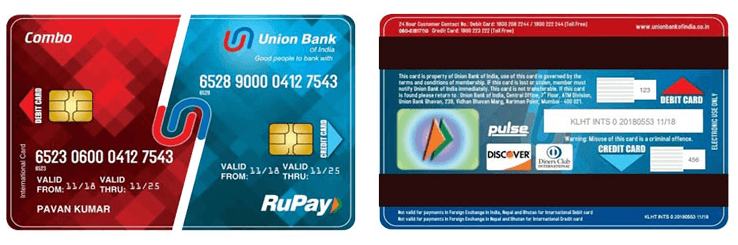
A look at the Union Bank RuPay combo card, an unusual design with two chips, two card numbers, two CVV2 values, two magnetic stripes, and two payment schemes combining credit and debit card functions.
Credit Card
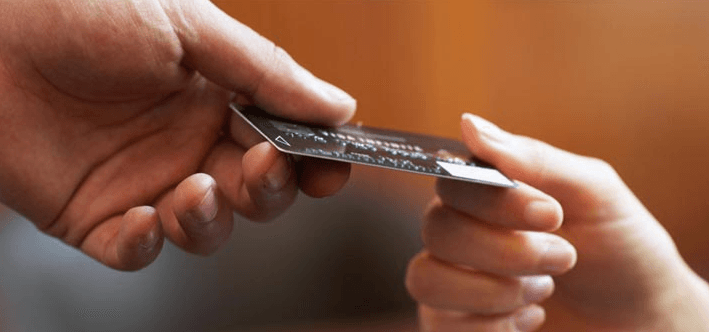
When payment systems come to mind, credit cards are usually the first thing people think of. Credit cards are produced according to specific standards, both in visual design and during printing. These standards belong to the ISO/IEC 781X family.

Fraud
Card skimming is the theft of card information by copying it with the help of a device. Because data inside the chip is very difficult to steal, chip cards are far more secure than magnetic-stripe cards. Turkey is very advanced in card security technology.
Credit Card
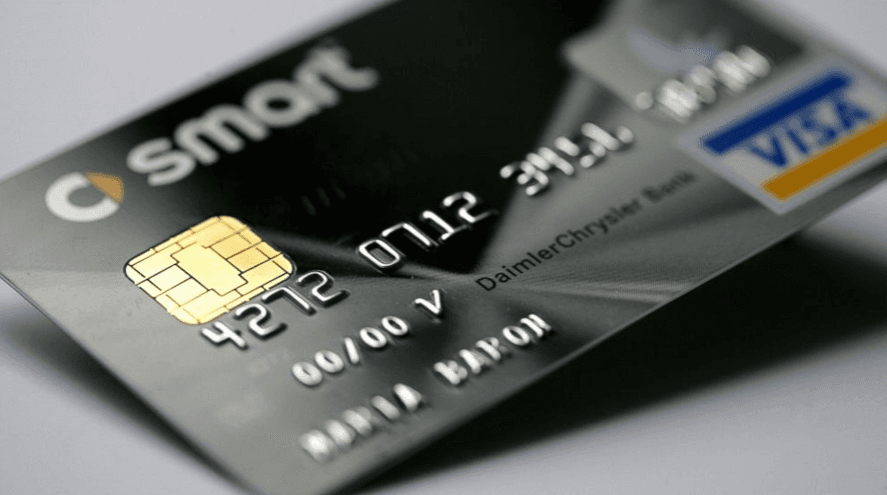
If your card's chip won't read, the chip data is likely corrupted or the POS's chip reader is faulty. This is usually caused by magnetic interaction with another card's chip.
ISO 8583
The card's Track 2 data is carried in this field. Track 2 data contains information such as the card number, expiry date and service code.
ISO 8583
F35 TRACK-2 DATA: The values printed to the card's Track 2 data in ISO 7813 format, including field separators and start/end sentinels, but excluding LRC (Longitudinal Redundancy Check) characters. It is 37 characters long.
Credit Card
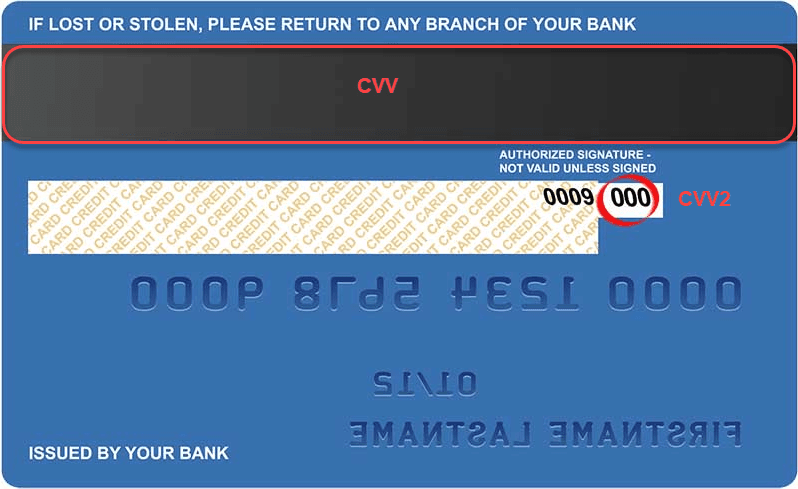
CVV (CVC) and CVV2 (CVC2) are two terms that cardholders often confuse. Both are used for verification in card transactions, but there are notable differences between them, such as where each is printed and which transactions use it.
Credit Card
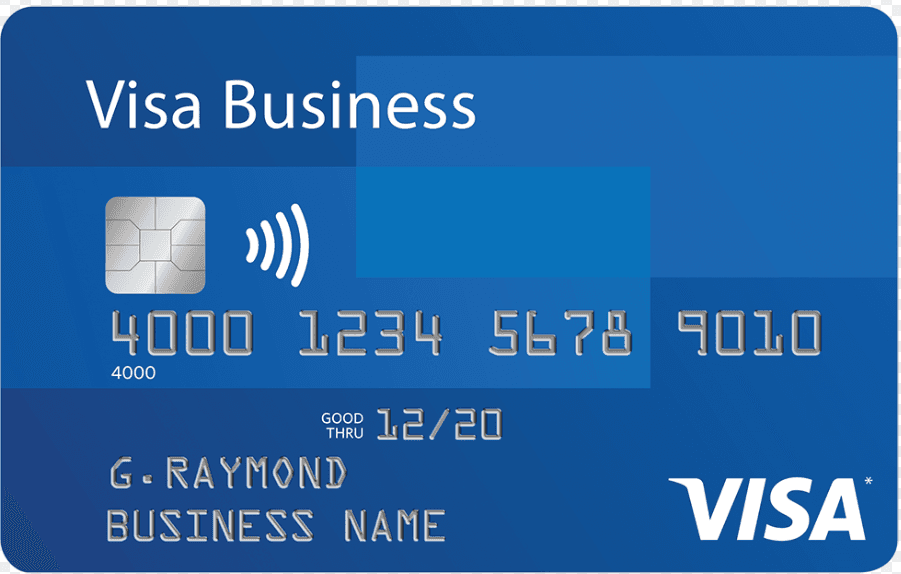
The customer's name and surname printed on credit and debit cards is called the emboss name. But can the name be printed on a card without any limit? There is a defined field for all information printed on a card, and these fields have specific standards.
Credit Card
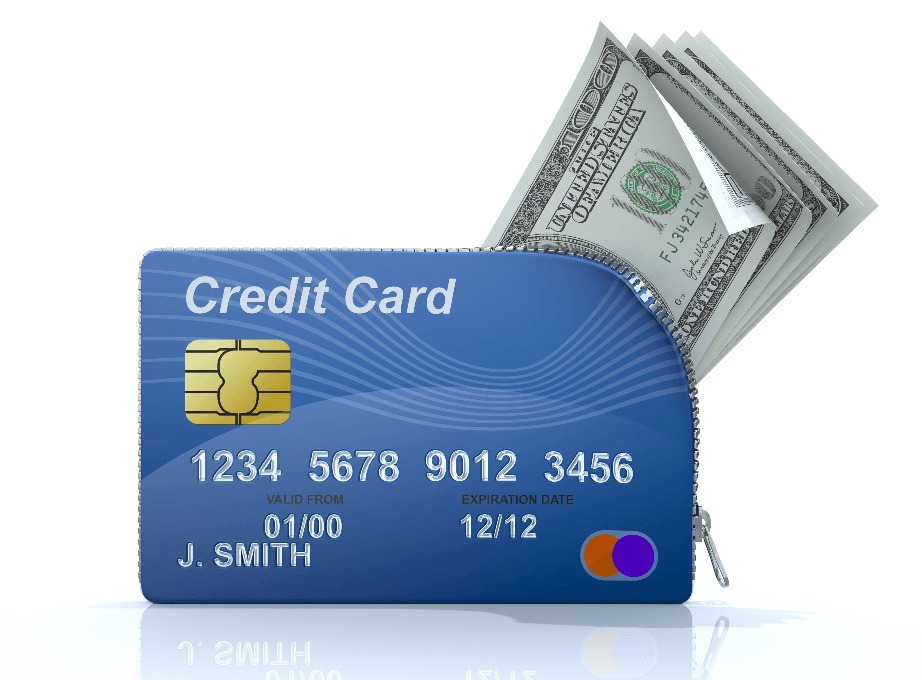
A credit card is a printed card, or a card number with no physical form, that allows the purchase of goods and services or cash withdrawal without using cash. So how are credit card limits set and managed? Setting a limit involves checking many parameters about the customer.