Skip to content

Search

"algorithm"

30 articles found

Diagram illustrating the Card Verification Key (CVK) concept

Credit Card

What is CVK (Card Verification Key)?

CVK (Card Verification Key) is the key information used to generate and verify CVV/CVC values, confirming their validity. It is kept as a pair of keys, CVK A and CVK B, encrypted under TMK, ZMK or LMK.

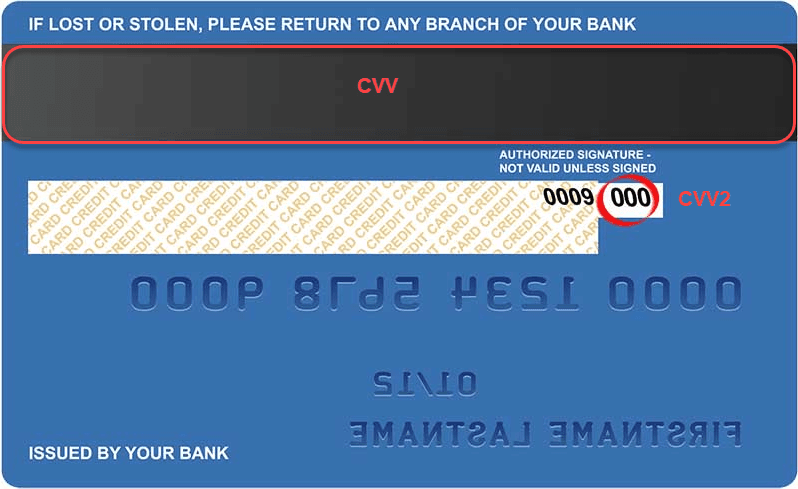
Diagram of ISO 8583 Field 2 (F2) card number structure

ISO 8583

ISO 8583 Field Descriptions (F2)

F2 is the Card Number field in ISO 8583, identifying the cardholder and issuing bank. This post covers its structure, the 8-digit BIN update, field format, first-digit scheme identification, and PCI DSS security requirements.

Comparison chart showing the differences between CVV and CVV2 security codes

Credit Card

What Is the Difference Between CVV and CVV2?

CVV (CVC) and CVV2 (CVC2) are two terms that cardholders often confuse. Both are used for verification in card transactions, but there are notable differences between them, such as where each is printed and which transactions use it.

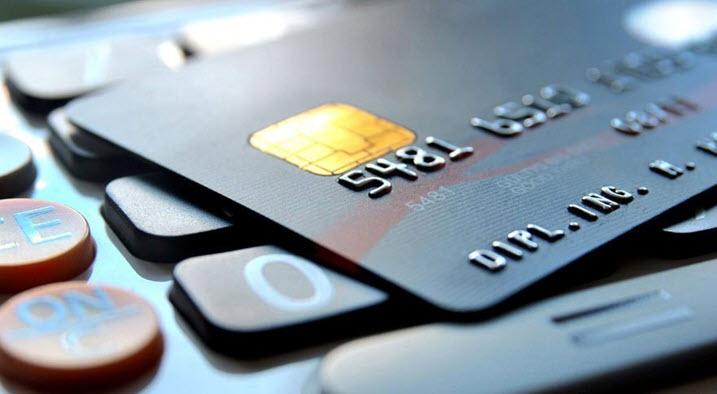
Close-up of a payment card showing its first six digits, the BIN

Credit Card

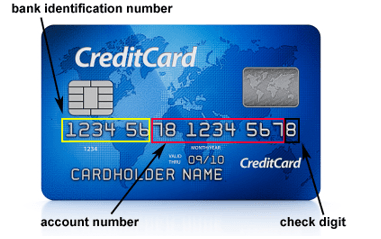
What Is a BIN (Bank Identification Number)?

BIN stands for Bank Identification Number, the unique code made up of a card's first 6 digits that identifies which bank issued it, under the ISO/IEC 7812 standard.

Payment card illustrating magnetic stripe data used for PIN verification

Credit Card

What is PVV (PIN Verification Value)?

PVV is the number encoded on a card's magnetic stripe that allows the cardholder's PIN to be verified by ATMs and POS terminals. It is a 4-digit cryptogram calculated through a cryptographic operation using the PIN and card data. The real result is longer than 4 digits.

Example of a QR code (karekod) pattern

Merchant & POS

What is a static QR code?

A static QR code is a code whose content is fixed and can be used for multiple payment transactions. So what is the difference between a static and a dynamic QR code?

Comparison of CVV security code locations on a standard card and an American Express card

Credit Card

Is the CVV/CVC Code Always 3 Digits?

First, let's briefly explain CVV/CVC. CVV stands for Card Verification Value, a term used for Visa. CVC stands for Card Verification Code, a term used for MasterCard. The CVV/CVC code is used for cardholder verification and to reduce fraud risk.

Diagram illustrating a Trusted Execution Environment (TEE) architecture

HSM & Security

What is TEE (Trusted Execution Environment)?

A Trusted Execution Environment (TEE) is an environment where executed code and accessed data are isolated and protected in terms of confidentiality (no one has access to the data) and integrity (no one can alter the code or its behavior). We may not realize it, but many…

Diagram showing how the iCVV code is generated for EMV chip cards

Credit Card

What Is iCVV? How Is It Generated?

iCVV stands for Integrated Circuit Card Verification Value. To prevent fraud, it is a CVV value generated similarly to the card's track data and stored on the card's chip. Visa uses the term iCVV; MasterCard and American Express use their own equivalents.

Animated illustration of a credit card representing dynamic security code technology

Credit Card

What is a Dynamic Card Security Code (CSC)?

It is a CVV2/CVC2 code that changes every few minutes instead of the static code printed on the back of a credit card, aimed at reducing fraud risk in CNP (Card Not Present) transactions.

Diagram of ISO/IEC card standards defining credit card dimensions and layout

Credit Card

Standards that define credit card design and operation

When payment systems come to mind, credit cards are usually the first thing people think of. Credit cards are produced according to specific standards, both in visual design and during printing. These standards belong to the ISO/IEC 781X family.