Skip to content

Search

"encryption keys"

38 articles found

Diagram showing the Terminal Authentication Key (TAK) concept

HSM & Security

What is TAK (Terminal Authentication Key)?

TAK stands for Terminal Authentication Key. It is the data encryption key used to generate and verify a Message Authentication Code (MAC) for data communication between a terminal and the acquirer within a local network.

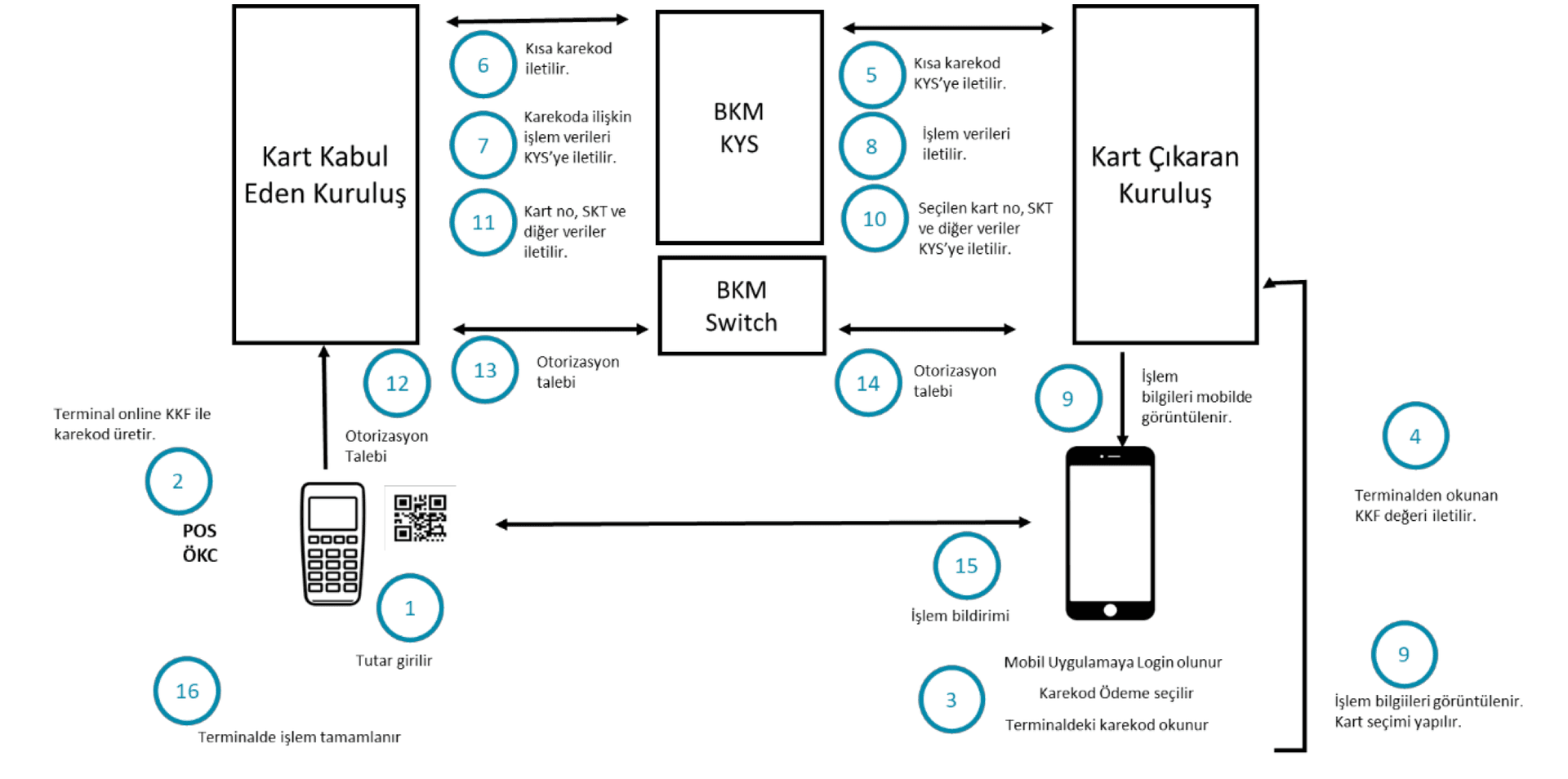
Illustration of a Zone PIN Key (ZPK) protecting PIN data in a payment network

HSM & Security

What is ZPK (Zone PIN Key)?

ZPK, also known as the PIN Protection Key, is a data encryption key that is distributed automatically and used to encrypt PINs. It is also referred to as the 'Working Key'. This key allows PIN information to be carried securely across the network.

ISO 8583 F124 field structure and subfield breakdown

ISO 8583

ISO 8583 Field Descriptions (F124)

F124 (Private Additional Data) contains additional information specific to the transaction, such as Card Update Failure Code and Status, cardholder name in money transfers, and keys in network management messages.

Diagram of the TR QR Code payment flow between cardholder, issuer, BKM and acquirer

Payment Systems

Why Am I Getting an Error When I Try to Pay with a TR QR Code?

In payment or cash withdrawal transactions, the TR QR Code is generated by the POS or ATM. The card issuing bank must build its systems to read and act on this code. Errors usually stem from mishandling the long and short QR code flows, which are explained here.

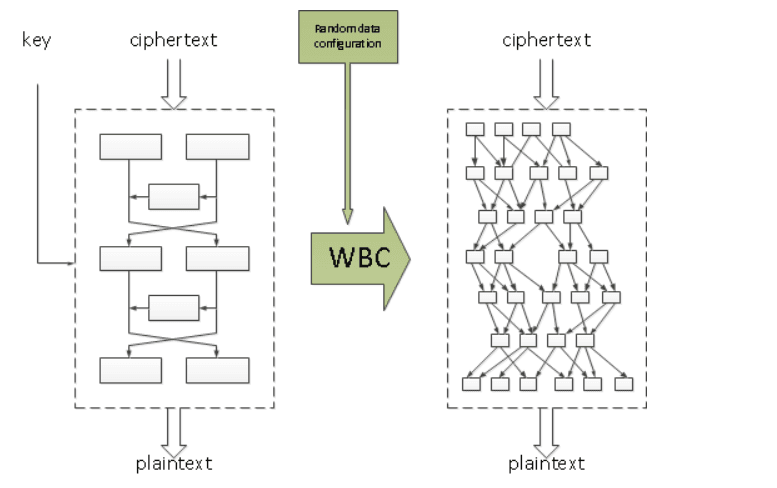
Diagram illustrating White Box Cryptography (WBC) for securing open devices

HSM & Security

What is White Box Cryptography (WBC)?

White Box Cryptography (WBC) is an important technology used to minimize security risks for open devices such as smartphones. It is a new technique against attacks targeting white-box attack environments.

DES and AES encryption comparison illustration

HSM & Security

What are DES and AES Keys?

Below are the properties and descriptions of the DES and AES keys used for encryption: DES (Data Encryption Standard) and AES (Advanced Encryption Standard) are both symmetric block ciphers. DES is a symmetric block cipher with a 56-bit key length...

Diagram illustrating the Local Master Key (LMK) concept in an HSM

HSM & Security

LMK (Local Master Key)

LMK stands for Local Master Key. The Local Master Key (LMK) is the HSM's master key, and all other keys used by the institution are secured under this key. As transaction volume increases, banks often use multiple HSMs to reduce the load on each device.

Diagram illustrating the RSA encryption algorithm

HSM & Security

What is RSA (Rivest, Shamir, Adleman) Key?

RSA, first used by Rivest, Shamir and Adleman, is a security algorithm used in digital cryptography. RSA differs from older symmetric algorithms because it enables digital signing and advanced encryption for e-commerce systems and high-profile institutions.

Diagram showing how a Zone Master Key (ZMK) is used to transport encryption keys between HSMs

HSM & Security

What is a ZMK (Zone Master Key)?

ZMK is short for Zone Master Key. It is the key used to transport a key from one environment to another. In short, we can say ZMK is the main transport vehicle. The key that two parties use to encrypt and exchange new ZPKs is the ZMK.

Diagram illustrating the Card Verification Key (CVK) concept

Credit Card

What is CVK (Card Verification Key)?

CVK (Card Verification Key) is the key information used to generate and verify CVV/CVC values, confirming their validity. It is kept as a pair of keys, CVK A and CVK B, encrypted under TMK, ZMK or LMK.

Illustration representing PIN Transaction Security (PTS) certified payment devices

Merchant & POS

What is PIN Transaction Security (PTS)?

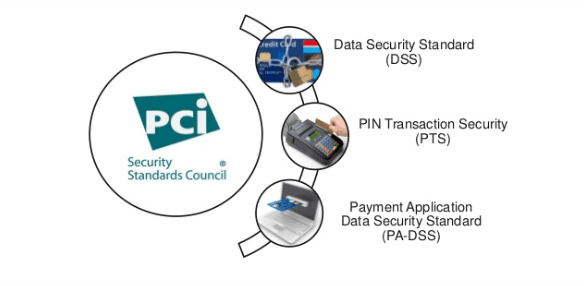
PIN Transaction Security (PTS) verifies that card data and PIN information are used for a payment transaction. It is a set of modular evaluation requirements managed by the PCI Security Standards Council for PIN-accepting terminals.

Diagram illustrating ISO 8583 field F23, the card sequence number

ISO 8583

ISO 8583 Field Descriptions (F23)

F23 - CARD SEQUENCE NUMBER: Information used to distinguish cards sharing the same card number. For example, the Card Sequence Number is incremented by 1 when a card is renewed. In an authorization transaction, if the F22 value is '05x'...