
ISO 8583
ISO 8583 Field Descriptions (F38)
DE 38 (AUTHORIZATION IDENTIFICATION RESPONSE) is the authorization code generated when a transaction is approved. It is alphanumeric, 6 characters long, and left empty for declined transactions.
Search
158 articles found
ISO 8583
DE 38 (AUTHORIZATION IDENTIFICATION RESPONSE) is the authorization code generated when a transaction is approved. It is alphanumeric, 6 characters long, and left empty for declined transactions.

Credit Card
The PIN Try Counter is a value stored on the card's chip showing the number of remaining offline PIN attempts. Each incorrect offline PIN entry decreases it by 1, and it resets when the correct PIN is entered.
Fraud
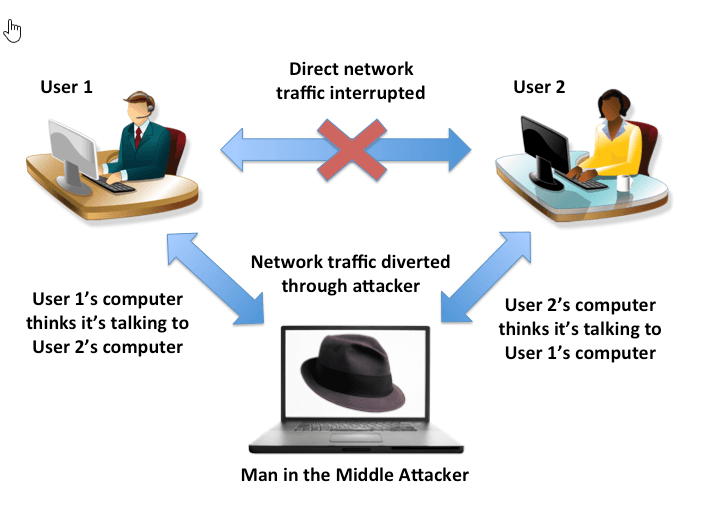
A man-in-the-middle attack is a method in which an attacker inserts themselves between the server and client to intercept users' information, steal passwords, and gain access to accounts on a local network. This fraud mostly occurs over public internet connections.
Security
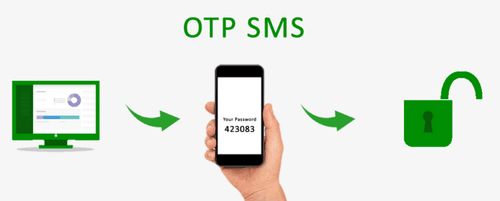
With Chip&Pin technology, card PINs and chip-based transactions became widespread. As online shopping grew, strengthening the security of these transactions became a necessity, and OTP began providing that transaction security.

HSM & Security
RSA, first used by Rivest, Shamir and Adleman, is a security algorithm used in digital cryptography. RSA differs from older symmetric algorithms because it enables digital signing and advanced encryption for e-commerce systems and high-profile institutions.

Merchant & POS
An offline transaction is one in which the card and POS terminal approve the transaction based on their own parameters, without contacting their banks. Whether contact or contactless, the device decides whether the transaction is processed offline.

Credit Card
BKM Online is the web-based electronic system that enables communication and information sharing between BKM and its members, including documents, reports, services and work calendars, according to user permissions.

EMV
The Card Block command is used after card issuance to deactivate all applications within the ICC, including applications that could be selected indirectly. The components of the command are explained below.

Chargeback
Chargeback is inherent to card transactions, so it may be impossible to prevent entirely, but taking precautions keeps the risk to a minimum. Here are the key points merchants should pay attention to in order to reduce chargebacks.
Payment Systems
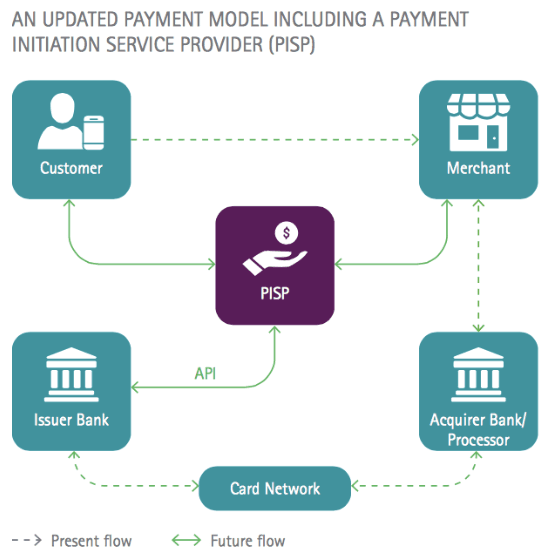
A Payment Initiation Service Provider (PISP) can initiate a payment on a customer's behalf, withdrawing funds directly from their account with consent. Norway's Vipps is the most widely used PISP, and more providers are expected as PSD2 expands across Europe.

Credit Card
KKB was established, under banking law, to enable the exchange of all kinds of information and documents among at least five banks, and it also shares credit information about customers. The Credit Bureau of Turkey also serves deposit banks, participation banks, financial institutions, and more.

Merchant & POS
The answer depends on the type of POS terminal. A physical POS (GPRS, Dial-Up, IP, or cash-register POS) requires working with a bank. A virtual POS can also be obtained from a payment institution without a separate bank agreement.